Introduction: Finding Comfort on a Keto Diet
When I first started following a keto diet, I’ll admit I was skeptical. How could I possibly feel satisfied eating low-carb meals? Where was the comfort food? I missed my crispy breaded chicken, my pasta dinners, and basically anything that felt indulgent. Then I discovered this keto chicken recipe, and everything changed. It’s crispy, it’s juicy, it’s absolutely loaded with flavor, and it fits perfectly within keto macros. Most importantly, it feels like comfort food – the kind of meal that makes you want to curl up on the couch with a plate and binge-watch your favorite show.
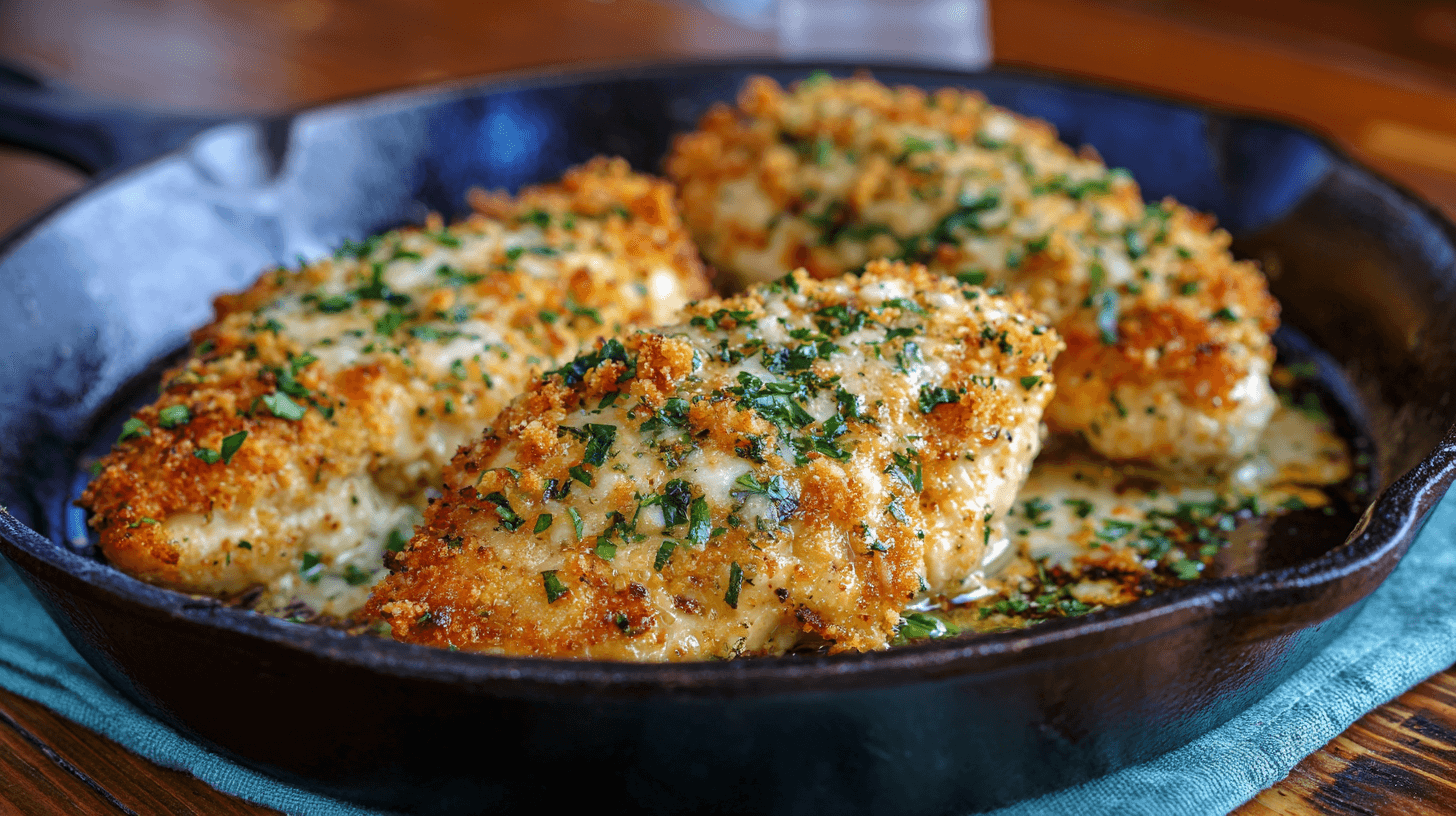
What makes this recipe truly special is that it doesn’t taste like “diet food.” The almond flour and parmesan coating gets incredibly crispy in the oven or skillet, creating that satisfying crunch we all crave. The chicken stays moist and tender inside, and the herbs and spices create complex, savory flavors that make every bite interesting. It’s become my go-to meal when I want something that feels indulgent but keeps me in ketosis.
Why This Keto Chicken Recipe Works
Understanding the Keto-Friendly Coating
Traditional breaded chicken uses flour and breadcrumbs – both high in carbohydrates and definitely not keto-friendly. This recipe cleverly replaces those with a combination of almond flour and grated Parmesan cheese. The almond flour provides the structure and helps create that crispy exterior we love, while the Parmesan adds saltiness, umami depth, and extra crispiness.
The magic happens when the cheese in the coating melts slightly and then re-hardens as it cooks, creating an incredibly crunchy shell. Meanwhile, the almond flour browns beautifully, developing nutty, toasted flavors that complement the chicken perfectly. Together, they create a coating that’s actually MORE flavorful than traditional breadcrumbs.
The Perfect Keto Macros
One of the best things about this keto chicken recipe is how well it fits into keto macros. Each serving provides about 35-40g of protein, 2-3g net carbs, and 18-22g of healthy fats – nearly perfect for a keto meal. The protein from the chicken keeps you satisfied and helps maintain muscle mass, while the fats from the cheese and cooking oil provide energy and help you stay in ketosis.
Unlike some keto recipes that rely heavily on cheese or processed ingredients, this one uses whole foods and creates a balanced meal that doesn’t leave you feeling heavy or overly full. It’s substantial enough to be satisfying but light enough that you won’t feel sluggish afterward.
Ingredients for Keto Chicken
For the Chicken and Coating
- 4 boneless, skinless chicken breasts (about 6-8 oz each)
- 1 cup almond flour (superfine works best)
- 1 cup grated Parmesan cheese (freshly grated is best)
- 2 teaspoons Italian seasoning
- 1 teaspoon garlic powder
- 1 teaspoon onion powder
- 1 teaspoon paprika
- 1/2 teaspoon salt
- 1/2 teaspoon black pepper
- 2 large eggs
- 2 tablespoons heavy cream
- 3 tablespoons olive oil or avocado oil (for cooking)
For Serving (Optional)
- Fresh parsley, chopped
- Lemon wedges
- Sugar-free marinara sauce
- Additional grated Parmesan
- Melted butter with garlic
The quality of your almond flour matters here. Superfine or blanched almond flour creates the best texture – it’s finer than regular almond meal and produces a more delicate, crispy coating. I always use freshly grated Parmesan rather than the pre-grated stuff; it melts better and has much more flavor.
Step-by-Step Instructions for Keto Chicken
Preparing Your Chicken Breasts
Start by preparing your chicken breasts. If they’re thick (more than 1 inch), I recommend butterflying them or slicing them horizontally to create thinner cutlets. This serves two purposes: first, thinner chicken cooks faster and more evenly; second, you get more surface area for that delicious crispy coating.
Pat the chicken completely dry with paper towels. This is crucial – any moisture will prevent the coating from adhering properly and will create steam during cooking, which makes the coating soggy instead of crispy. If your chicken is particularly wet, let it sit uncovered in the refrigerator for 30 minutes to dry out the surface.
Creating the Perfect Keto Coating
In a shallow bowl or plate, mix together the almond flour, grated Parmesan, Italian seasoning, garlic powder, onion powder, paprika, salt, and pepper. Mix thoroughly so the seasonings are evenly distributed throughout the coating. This dry mixture is what will create that crispy, flavorful crust.
In a separate shallow bowl, beat together the eggs and heavy cream until well combined. The heavy cream adds richness and helps the egg mixture coat the chicken more evenly. It also adds a touch of fat, which is always welcome in keto cooking.
The Three-Step Coating Process
Here’s the process for perfectly coated keto chicken: First, dip each chicken breast into the egg mixture, making sure it’s completely coated. Let any excess drip off – you want it moist but not dripping wet.
Next, place the egg-coated chicken into the almond flour-Parmesan mixture. Press the coating firmly onto both sides of the chicken, making sure you get an even layer. Don’t be shy – really press it in. The coating should stick well to the egg-washed chicken.
For extra crispiness, I sometimes do a double coating: after the first coating, dip the chicken back in the egg mixture and then back in the almond flour mixture. This creates an extra-thick, extra-crispy crust that’s absolutely incredible.
Cooking Methods for Keto Chicken
Pan-Frying Method (My Preferred Method): Heat 2-3 tablespoons of olive oil or avocado oil in a large skillet over medium heat. When the oil is shimmering but not smoking, carefully add the coated chicken breasts. Don’t overcrowd the pan – cook in batches if necessary.
Cook for 5-6 minutes on the first side without moving them. This allows the coating to set and become golden and crispy. Flip carefully (the coating can be delicate before it’s fully set) and cook for another 5-6 minutes on the second side, until the internal temperature reaches 165°F and the coating is golden brown and crispy.
Oven-Baking Method: Preheat your oven to 400°F. Line a baking sheet with parchment paper and place a wire rack on top (this allows air to circulate around the chicken for even crisping). Spray the rack lightly with cooking spray.
Place the coated chicken on the rack and spray the tops lightly with cooking spray or drizzle with a little olive oil. This helps the coating brown and crisp up. Bake for 20-25 minutes, until the internal temperature reaches 165°F and the coating is golden and crispy.
Air Fryer Method: Preheat your air fryer to 375°F. Spray the basket lightly with cooking spray and place the coated chicken in a single layer (you may need to work in batches). Spray the tops of the chicken lightly.
Air fry for 12-15 minutes, flipping halfway through, until the coating is golden and crispy and the internal temperature reaches 165°F. The air fryer method creates an incredibly crispy coating with minimal oil.
Nutritional Information for Keto Chicken
Per serving (1 chicken breast with coating):
- Calories: 425
- Protein: 42g
- Carbohydrates: 6g
- Fiber: 3g
- Net Carbs: 3g
- Fat: 24g
- Saturated Fat: 6g
- Sodium: 580mg
- Potassium: 580mg
- Calcium: 25% DV
- Iron: 12% DV
This keto chicken recipe is perfectly suited for a ketogenic diet with only 3g net carbs per serving. The high protein content makes it very satisfying, and the healthy fats from the almond flour and cooking oil provide sustained energy. It’s also naturally gluten-free and grain-free.
Perfect Keto-Friendly Side Dishes
Low-Carb Vegetable Sides
My favorite sides for this keto chicken are simple roasted or sautéed vegetables. Roasted broccoli with garlic and Parmesan is a natural pairing – toss broccoli florets with olive oil, minced garlic, salt, and pepper, roast at 425°F for 20 minutes, then top with grated Parmesan.
Zucchini noodles (zoodles) are another excellent choice. Sauté them quickly in butter with garlic, or toss them with sugar-free marinara and serve the chicken on top for a keto-friendly “chicken Parmesan” experience. Roasted Brussels sprouts, cauliflower rice, or a simple mixed green salad also work beautifully.
Keto-Friendly Sauces and Toppings
While this chicken is delicious on its own, adding a sauce takes it to the next level. Sugar-free marinara sauce (check the label – many brands sneak in sugar) creates a chicken Parmesan vibe. Simply spoon it over the cooked chicken and top with mozzarella, then broil for a minute to melt the cheese.
Garlic butter is another fantastic option. Melt butter with minced garlic, fresh herbs, and a squeeze of lemon juice, then drizzle it over the chicken. Ranch dressing (full-fat), blue cheese dressing, or a lemon-herb aioli are all keto-friendly and delicious with this crispy chicken.
Cauliflower-Based Keto Sides
Cauliflower is the star of keto side dishes, and for good reason – it’s incredibly versatile and low in carbs. Mashed cauliflower (made by steaming cauliflower and blending it with butter, cream cheese, and garlic) is a perfect substitute for mashed potatoes.
Cauliflower rice, either plain or flavored with herbs and butter, soaks up any juices from the chicken beautifully. You can even make cauliflower “mac and cheese” with a cheese sauce to create an incredibly indulgent keto meal.
Variations on Keto Chicken
Spicy Cajun Keto Chicken
For a spicy variation, replace the Italian seasoning with Cajun seasoning, and add an extra 1/2 teaspoon of cayenne pepper to the coating. This creates a bold, spicy crust that’s fantastic with a cooling blue cheese or ranch dipping sauce.
You can also add a pinch of smoked paprika for extra depth and a subtle smoky flavor that pairs wonderfully with the heat of the Cajun spices.
Lemon-Herb Keto Chicken
For a brighter, more Mediterranean-inspired version, add 2 teaspoons of lemon zest to the coating mixture along with extra dried herbs like thyme, rosemary, and oregano. Serve with a squeeze of fresh lemon juice and a drizzle of high-quality olive oil.
This version is particularly good served over a bed of arugula or spinach with cherry tomatoes and a lemon vinaigrette.
Buffalo Keto Chicken
After cooking the chicken using any method, toss it in buffalo sauce (most buffalo sauces are naturally low-carb). Serve with celery sticks and blue cheese dressing for a keto-friendly take on buffalo chicken that hits all the right notes.
You can also mix some buffalo sauce into the egg wash before coating for buffalo flavor throughout, not just on the outside.
Common Mistakes with Keto Chicken
Using the Wrong Type of Almond Flour
Not all almond flour is created equal. Regular almond meal, which includes the almond skins, creates a grainy texture and doesn’t crisp up as well. Always use blanched, superfine almond flour for the best results. It’s finer, lighter, and creates a much more delicate coating.
Also, almond flour can go rancid relatively quickly because of its fat content. Always smell your almond flour before using it – if it smells bitter or off, it’s gone bad and should be discarded.
Not Pressing the Coating Firmly Enough
The coating needs to be firmly pressed onto the chicken to adhere properly. If you just lightly dust the chicken, most of the coating will fall off during cooking. Really press it on, using your hands to pack it onto the chicken like you’re forming a crust.
Let the coated chicken rest for 5-10 minutes before cooking. This allows the coating to set and adhere better to the chicken, resulting in less coating loss during cooking.
Cooking at Too High a Temperature
Almond flour browns more quickly than wheat flour because of its fat content. If your pan or oven is too hot, the coating will burn before the chicken cooks through. Medium heat for pan-frying and 400°F for baking are the ideal temperatures.
If you notice the coating browning too quickly while the chicken is still raw inside, reduce the heat and continue cooking more slowly. It’s better to take a bit longer and get perfectly cooked chicken than to rush it and end up with burnt coating and raw chicken.
Meal Prep and Storage Tips
Preparing Keto Chicken in Advance
This keto chicken is excellent for meal prep. You can coat the raw chicken up to 24 hours in advance and store it in the refrigerator on a plate, covered with plastic wrap. The coating actually adheres even better when it has time to set in the fridge.
Alternatively, cook the chicken completely, let it cool, and store it in airtight containers in the refrigerator for up to 4 days. Reheat it in a 350°F oven for 10-12 minutes to re-crisp the coating, or in an air fryer for 5-6 minutes.
Freezing Cooked Keto Chicken
Cooked keto chicken freezes well for up to 3 months. Let it cool completely, then wrap each piece individually in plastic wrap, followed by a layer of aluminum foil. Store in a freezer bag with as much air removed as possible.
To reheat from frozen, bake in a 350°F oven for 25-30 minutes until heated through and the coating is crispy again. Don’t microwave from frozen – it will make the coating soggy.
FAQs About Keto Chicken
Can I use coconut flour instead of almond flour?
Coconut flour absorbs moisture very differently than almond flour and doesn’t work well as a straight substitution. If you must use coconut flour, use only about 1/3 cup (coconut flour is much more absorbent) and add an extra egg to the egg wash to help it adhere.
Is this recipe dairy-free?
The recipe as written is not dairy-free because of the Parmesan cheese. However, you can replace the Parmesan with nutritional yeast for a similar savory, umami flavor without dairy. The coating won’t be quite as crispy, but it’s still delicious.
How do I keep the coating from falling off?
Make sure your chicken is completely dry before starting, press the coating firmly onto the chicken, let it rest for 5-10 minutes before cooking, and don’t move the chicken around too much while it’s cooking. The coating needs time to set and crisp up before you flip it.
Can I make this with chicken thighs?
Absolutely! Boneless, skinless chicken thighs work beautifully with this recipe. They’re more forgiving than breasts because they have more fat, which keeps them moist. Adjust cooking time to about 7-8 minutes per side in a skillet or 25-30 minutes in the oven.
What’s the best oil for cooking keto chicken?
I prefer avocado oil because it has a high smoke point and is very keto-friendly with healthy fats. Olive oil, coconut oil (refined for a neutral flavor), or even ghee all work well. Avoid vegetable oils and seed oils, which aren’t as healthy.
Can I use pre-grated Parmesan?
You can, but freshly grated Parmesan is significantly better. Pre-grated cheese contains anti-caking agents that prevent it from melting and crisping properly. If you must use pre-grated, make sure it’s finely grated, not the coarse kind.
My Personal Keto Chicken Tips
After making this recipe hundreds of times (it’s truly a keto staple in my house), I’ve learned a few tricks. First, I always add a tablespoon of everything bagel seasoning to the coating mixture. It adds so much flavor and creates interesting texture variations in the crispy coating.
Second, I’ve found that letting the chicken rest for 10 minutes after coating, before cooking, makes a huge difference in how well the coating adheres. Use this time to prep your side dishes or set the table.
Third, save any leftover coating mixture! It keeps in the refrigerator for up to a week and can be used to coat fish, pork chops, or even vegetables. I’ve made “keto fried” zucchini sticks and cauliflower florets with leftover coating, and they’re absolutely delicious.
Finally, if you want maximum crispiness, finish your pan-fried chicken with 2-3 minutes under the broiler. This creates an extra-crunchy top layer that’s absolutely irresistible. Just watch it carefully – the coating can go from perfectly crispy to burnt in seconds under the broiler.
One last secret: I always make extra. This keto chicken is incredible sliced and served cold in a salad the next day, or reheated and served as “chicken nuggets” with sugar-free keto dipping sauces.
Print
Keto Chicken Recipe – My Go-To Keto Comfort Meal
Description
One of the best things about this keto chicken recipe is how well it fits into keto macros. Each serving provides about 35-40g of protein, 2-3g net carbs, and 18-22g of healthy fats – nearly perfect for a keto meal. The protein from the chicken keeps you satisfied and helps maintain muscle mass, while the fats from the cheese and cooking oil provide energy and help you stay in ketosis.
Unlike some keto recipes that rely heavily on cheese or processed ingredients, this one uses whole foods and creates a balanced meal that doesn’t leave you feeling heavy or overly full. It’s substantial enough to be satisfying but light enough that you won’t feel sluggish afterward.
Ingredients
Ingredients for Keto Chicken
For the Chicken and Coating
- 4 boneless, skinless chicken breasts (about 6–8 oz each)
- 1 cup almond flour (superfine works best)
- 1 cup grated Parmesan cheese (freshly grated is best)
- 2 teaspoons Italian seasoning
- 1 teaspoon garlic powder
- 1 teaspoon onion powder
- 1 teaspoon paprika
- 1/2 teaspoon salt
- 1/2 teaspoon black pepper
- 2 large eggs
- 2 tablespoons heavy cream
- 3 tablespoons olive oil or avocado oil (for cooking)
For Serving (Optional)
- Fresh parsley, chopped
- Lemon wedges
- Sugar-free marinara sauce
- Additional grated Parmesan
- Melted butter with garlic
The quality of your almond flour matters here. Superfine or blanched almond flour creates the best texture – it’s finer than regular almond meal and produces a more delicate, crispy coating. I always use freshly grated Parmesan rather than the pre-grated stuff; it melts better and has much more flavor.
Instructions
Step-by-Step Instructions for Keto Chicken
Preparing Your Chicken Breasts
Start by preparing your chicken breasts. If they’re thick (more than 1 inch), I recommend butterflying them or slicing them horizontally to create thinner cutlets. This serves two purposes: first, thinner chicken cooks faster and more evenly; second, you get more surface area for that delicious crispy coating.
Pat the chicken completely dry with paper towels. This is crucial – any moisture will prevent the coating from adhering properly and will create steam during cooking, which makes the coating soggy instead of crispy. If your chicken is particularly wet, let it sit uncovered in the refrigerator for 30 minutes to dry out the surface.
Creating the Perfect Keto Coating
In a shallow bowl or plate, mix together the almond flour, grated Parmesan, Italian seasoning, garlic powder, onion powder, paprika, salt, and pepper. Mix thoroughly so the seasonings are evenly distributed throughout the coating. This dry mixture is what will create that crispy, flavorful crust.
In a separate shallow bowl, beat together the eggs and heavy cream until well combined. The heavy cream adds richness and helps the egg mixture coat the chicken more evenly. It also adds a touch of fat, which is always welcome in keto cooking.
The Three-Step Coating Process
Here’s the process for perfectly coated keto chicken: First, dip each chicken breast into the egg mixture, making sure it’s completely coated. Let any excess drip off – you want it moist but not dripping wet.
Next, place the egg-coated chicken into the almond flour-Parmesan mixture. Press the coating firmly onto both sides of the chicken, making sure you get an even layer. Don’t be shy – really press it in. The coating should stick well to the egg-washed chicken.
For extra crispiness, I sometimes do a double coating: after the first coating, dip the chicken back in the egg mixture and then back in the almond flour mixture. This creates an extra-thick, extra-crispy crust that’s absolutely incredible.
Cooking Methods for Keto Chicken
Pan-Frying Method (My Preferred Method): Heat 2-3 tablespoons of olive oil or avocado oil in a large skillet over medium heat. When the oil is shimmering but not smoking, carefully add the coated chicken breasts. Don’t overcrowd the pan – cook in batches if necessary.
Cook for 5-6 minutes on the first side without moving them. This allows the coating to set and become golden and crispy. Flip carefully (the coating can be delicate before it’s fully set) and cook for another 5-6 minutes on the second side, until the internal temperature reaches 165°F and the coating is golden brown and crispy.
Oven-Baking Method: Preheat your oven to 400°F. Line a baking sheet with parchment paper and place a wire rack on top (this allows air to circulate around the chicken for even crisping). Spray the rack lightly with cooking spray.
Place the coated chicken on the rack and spray the tops lightly with cooking spray or drizzle with a little olive oil. This helps the coating brown and crisp up. Bake for 20-25 minutes, until the internal temperature reaches 165°F and the coating is golden and crispy.
Air Fryer Method: Preheat your air fryer to 375°F. Spray the basket lightly with cooking spray and place the coated chicken in a single layer (you may need to work in batches). Spray the tops of the chicken lightly.
Air fry for 12-15 minutes, flipping halfway through, until the coating is golden and crispy and the internal temperature reaches 165°F. The air fryer method creates an incredibly crispy coating with minimal oil.
Nutritional Information for Keto Chicken
Per serving (1 chicken breast with coating):
Calories: 425
Protein: 42g
Carbohydrates: 6g
Fiber: 3g
Net Carbs: 3g
Fat: 24g
Saturated Fat: 6g
Sodium: 580mg
Potassium: 580mg
Calcium: 25% DV
Iron: 12% DV
This keto chicken recipe is perfectly suited for a ketogenic diet with only 3g net carbs per serving. The high protein content makes it very satisfying, and the healthy fats from the almond flour and cooking oil provide sustained energy. It’s also naturally gluten-free and grain-free.
Perfect Keto-Friendly Side Dishes
Low-Carb Vegetable Sides
My favorite sides for this keto chicken are simple roasted or sautéed vegetables. Roasted broccoli with garlic and Parmesan is a natural pairing – toss broccoli florets with olive oil, minced garlic, salt, and pepper, roast at 425°F for 20 minutes, then top with grated Parmesan.
Zucchini noodles (zoodles) are another excellent choice. Sauté them quickly in butter with garlic, or toss them with sugar-free marinara and serve the chicken on top for a keto-friendly “chicken Parmesan” experience. Roasted Brussels sprouts, cauliflower rice, or a simple mixed green salad also work beautifully.
Keto-Friendly Sauces and Toppings
While this chicken is delicious on its own, adding a sauce takes it to the next level. Sugar-free marinara sauce (check the label – many brands sneak in sugar) creates a chicken Parmesan vibe. Simply spoon it over the cooked chicken and top with mozzarella, then broil for a minute to melt the cheese.
Garlic butter is another fantastic option. Melt butter with minced garlic, fresh herbs, and a squeeze of lemon juice, then drizzle it over the chicken. Ranch dressing (full-fat), blue cheese dressing, or a lemon-herb aioli are all keto-friendly and delicious with this crispy chicken.
Cauliflower-Based Keto Sides
Cauliflower is the star of keto side dishes, and for good reason – it’s incredibly versatile and low in carbs. Mashed cauliflower (made by steaming cauliflower and blending it with butter, cream cheese, and garlic) is a perfect substitute for mashed potatoes.
Cauliflower rice, either plain or flavored with herbs and butter, soaks up any juices from the chicken beautifully. You can even make cauliflower “mac and cheese” with a cheese sauce to create an incredibly indulgent keto meal.
Variations on Keto Chicken
Spicy Cajun Keto Chicken
For a spicy variation, replace the Italian seasoning with Cajun seasoning, and add an extra 1/2 teaspoon of cayenne pepper to the coating. This creates a bold, spicy crust that’s fantastic with a cooling blue cheese or ranch dipping sauce.
You can also add a pinch of smoked paprika for extra depth and a subtle smoky flavor that pairs wonderfully with the heat of the Cajun spices.
Lemon-Herb Keto Chicken
For a brighter, more Mediterranean-inspired version, add 2 teaspoons of lemon zest to the coating mixture along with extra dried herbs like thyme, rosemary, and oregano. Serve with a squeeze of fresh lemon juice and a drizzle of high-quality olive oil.
This version is particularly good served over a bed of arugula or spinach with cherry tomatoes and a lemon vinaigrette.
Buffalo Keto Chicken
After cooking the chicken using any method, toss it in buffalo sauce (most buffalo sauces are naturally low-carb). Serve with celery sticks and blue cheese dressing for a keto-friendly take on buffalo chicken that hits all the right notes.
You can also mix some buffalo sauce into the egg wash before coating for buffalo flavor throughout, not just on the outside.