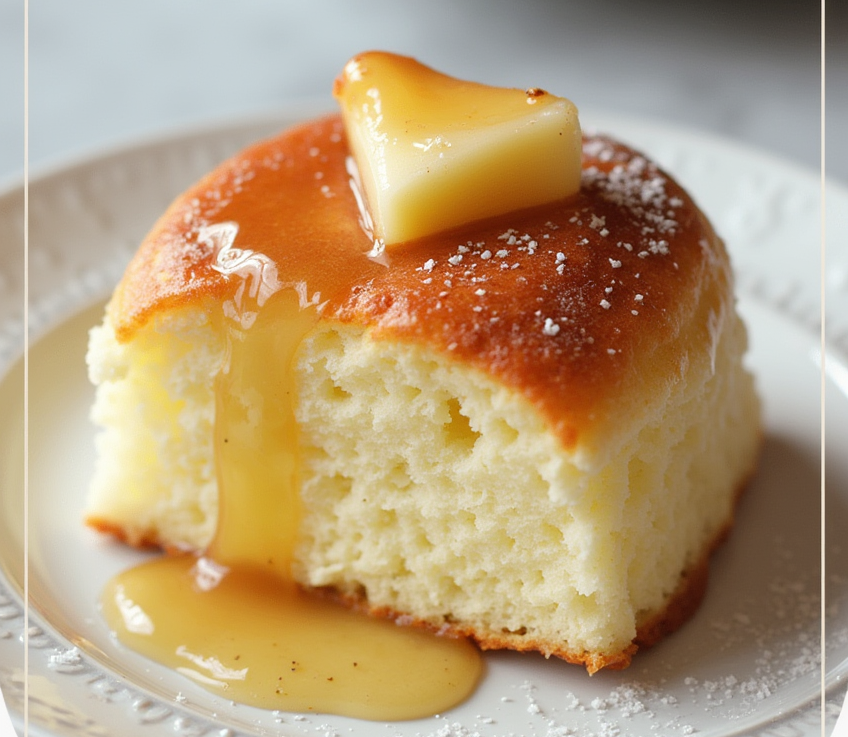
There’s something magical about a cake that somehow manages to be both substantial and light as air at the same time. That’s exactly what you get with this Fluffy Souffle Yogurt Cake – a dessert that seems to defy gravity with its cloud-like texture while delivering a gentle tang from yogurt and a hint of brightness from lemon. The first time I made this cake, I was genuinely surprised by how such simple ingredients could transform into something so ethereal.
After years of baking everything from dense pound cakes to fussy layer cakes, I’ve developed a special appreciation for recipes like this one that deliver impressive results without requiring professional pastry skills or hard-to-find ingredients. This souffle-style yogurt cake has become my go-to when I want something that feels special but won’t have me tearing my hair out in the kitchen.
What Makes This Yogurt Cake Special?
Unlike traditional cakes that rely on butter and chemical leaveners for structure and rise, this souffle yogurt cake gets its incredible height and texture from properly whipped egg whites folded into a yolk-based batter. The technique is similar to making a Japanese cheesecake or souffle pancakes, if you’re familiar with those trending treats.
What truly sets this cake apart is the tender crumb and delicate flavor profile. The yogurt provides a subtle tanginess that balances the sweetness, while a touch of lemon brightens everything up. It’s the kind of dessert that doesn’t hit you over the head with sweetness – instead, it’s refined, elegant, and surprisingly addictive.
The texture deserves special mention: it’s somewhere between a traditional cake and a souffle, with a moist, jiggly center that remains incredibly light. Each forkful seems to dissolve on your tongue, making it dangerously easy to devour slice after slice without feeling weighed down.
Simple Ingredients for an Extraordinary Cake
One of the most appealing aspects of this recipe is that it calls for ingredients you likely already have in your kitchen. Here’s what you’ll need:
For the Yolk Mixture:
- 30g (3 tablespoons) cake flour
- 10g (1 tablespoon) cornstarch
- 240g sugar-free yogurt (plain)
- 1 lemon (zest and some juice)
- 2 pinches of salt
- 3 egg yolks (from large eggs)
For the Meringue:
- 3 egg whites (from large eggs)
- 50g (5 tablespoons) sugar
- 10g (1 tablespoon) lemon juice
That’s it! No butter, no oil, no vanilla extract or other flavorings – just simple, basic ingredients that work together to create something magical. The total weight of your eggs before separating should be around 190g for best results.
Essential Equipment
Before diving into the baking process, make sure you have these tools ready:
- 15cm (6-inch) round cake pan with removable bottom or springform pan, 7cm (2.75 inches) tall
- Parchment paper for lining the pan
- Electric mixer (stand or hand mixer)
- Rubber spatula
- Mixing bowls
- Fine mesh sieve or sifter for the dry ingredients
- Kitchen scale (for most accurate results)
- Zester or microplane for the lemon
Step-by-Step Baking Process
Let me walk you through this delicate process to ensure your souffle yogurt cake turns out perfectly the first time and every time after that.
Preparing Your Pan and Oven
- Preheat your oven to 140°C (285°F). The low temperature is crucial for the gentle baking this delicate cake requires.
- Line your 15cm cake pan with parchment paper on the bottom and sides. For the sides, cut the paper tall enough to extend about 2cm above the rim of the pan – this will help your cake rise properly without sticking.
- If using a springform pan, wrap the outside with aluminum foil to prevent any water from seeping in during baking (we’ll be using a water bath).
Making the Yolk Mixture
- Sift together the cake flour and cornstarch into a bowl to remove any lumps. This step is crucial for achieving that silky-smooth texture we’re after.
- In a separate medium bowl, combine the egg yolks and salt, whisking gently just until combined.
- Add the sugar-free yogurt to the yolks and mix until smooth.
- Zest the lemon directly into the mixture (being careful to only get the yellow part, not the bitter white pith), and stir to combine.
- Gradually add the sifted flour mixture, folding gently with a spatula until just incorporated. Be careful not to overmix – we want to maintain as much air as possible in the batter.
Creating the Perfect Meringue
This is arguably the most critical part of the recipe, as the meringue provides all the lift and structure for our cake:
- In a clean, dry bowl (any trace of fat will prevent proper whipping), add the egg whites and begin beating on medium speed until they become frothy.
- Add the lemon juice (this helps stabilize the meringue) and continue beating.
- Gradually add the sugar, about a tablespoon at a time, while continuing to beat the egg whites.
- Increase speed to medium-high and beat until you achieve stiff, glossy peaks – when you lift the beater, the meringue should form a peak that holds its shape and doesn’t flop over. The meringue should look shiny, not dry or grainy.
The Crucial Folding Technique
- Take about one-third of your meringue and add it to the yolk mixture. Fold it in gently using a cutting and folding motion – down through the center, across the bottom, and up and over the side. This first addition doesn’t need to be perfectly incorporated; its purpose is to lighten the yolk mixture.
- Add the remaining meringue in two more additions, folding with even greater care. The goal is to maintain as much air as possible while ensuring there are no streaks of egg white visible.
- The final batter should be light, airy, and homogeneous, with a consistency similar to a thick mousse.
Baking the Perfect Souffle Yogurt Cake
- Pour the batter into your prepared pan, then gently smooth the top with your spatula.
- Tap the pan gently on the counter once or twice to remove any large air bubbles.
- Place the cake pan in a larger baking dish and add hot water to create a water bath that comes about 1-2cm up the sides of your cake pan. This water bath (or bain-marie) ensures gentle, even heating, which is crucial for the souffle-like texture.
- Bake at 140°C (285°F) for 30 minutes, then reduce the temperature to 110°C (230°F) and continue baking for another 60 minutes.
- After the baking time is complete, turn off the oven but leave the cake inside with the door closed for another 10 minutes. This gradual cooling helps prevent the cake from collapsing too quickly.
- Remove from the oven and allow to cool completely in the pan on a wire rack.
- Once completely cool (and this is important – patience is key!), carefully remove the cake from the pan and peel away the parchment paper.
- For best results, wrap the cake in plastic wrap and refrigerate overnight before serving. This resting period allows the flavors to develop and the texture to set perfectly.
Serving Suggestions
While this cake is absolutely delicious on its own, there are several ways to elevate it for different occasions:
Simple Elegance
Dust the top lightly with powdered sugar just before serving. The white snow-like coating against the golden cake creates a beautiful presentation that needs nothing more.
Fruity Enhancement
Serve with fresh berries on the side – strawberries, blueberries, or raspberries all complement the gentle lemon notes in the cake. A spoonful of lemon curd would also be divine for lemon lovers.
Decadent Indulgence
Top with a small pat of good butter and a drizzle of warm honey or maple syrup, allowing it to seep into the cake. This creates an amazing contrast of temperatures and textures.
Coffee Shop Style
Serve with a dollop of unsweetened whipped cream and a sprinkle of lemon zest. Pair with an espresso for a café-worthy experience.
Troubleshooting Tips
Even experienced bakers sometimes run into challenges with souffle-style cakes. Here are solutions to common issues:
Cake Collapsed Significantly After Baking
- Your meringue might not have been stiff enough. Make sure you beat until firm peaks form.
- The oven door might have been opened during baking. Resist the urge to peek!
- The cooling process was rushed. Always allow for gradual temperature changes.
Cake Has a Dense or Gummy Bottom Layer
- The folding technique wasn’t gentle enough, deflating the batter.
- The meringue and yolk mixture weren’t properly incorporated, causing separation during baking.
- Oven temperature might have been too high. Consider using an oven thermometer to verify your temperature.
Cake Cracked Severely on Top
- Oven temperature was likely too high.
- The cake might have been positioned too close to the top heating element.
Cake Tastes Eggy
- Make sure to include both the lemon zest and juice as directed; the acidity balances the egg flavor.
- The overnight rest in the refrigerator helps mellow any prominent egg taste, so don’t skip this step.
Variations to Try
Once you’ve mastered the basic souffle yogurt cake, you might want to experiment with these variations:
Vanilla Bean
Add the seeds scraped from half a vanilla bean to the yolk mixture for a classic flavor profile that pairs beautifully with the tangy yogurt.
Orange Blossom
Substitute orange zest for the lemon zest and add 1/2 teaspoon of orange blossom water to the yolk mixture for a fragrant, Middle Eastern-inspired twist.
Honey Lavender
Use Greek yogurt instead of regular yogurt, add 1 tablespoon of honey to the yolk mixture, and incorporate 1/2 teaspoon of dried culinary lavender (finely crushed) for a sophisticated flavor combination.
Matcha Green Tea
Add 1 tablespoon of high-quality matcha powder to the dry ingredients for a Japanese-inspired version with a beautiful green hue and gentle bitterness that contrasts wonderfully with the sweet, tangy cake.
Health Benefits: A Lighter Dessert Option
For those concerned about nutrition, this souffle yogurt cake offers several advantages over traditional cakes:
- Lower in Fat: With no butter or oil in the recipe, this cake gets its moisture from yogurt instead of added fats.
- Protein Boost: Thanks to the eggs and yogurt, this cake provides more protein than most desserts.
- Probiotic Potential: Using sugar-free yogurt with live cultures means you’re getting some probiotic benefits.
- Portion Control: The small 15cm size naturally limits portions, making it easier to enjoy a reasonable serving.
- Less Sugar: The recipe uses less sugar than typical cakes, and the tanginess of the yogurt reduces the need for excessive sweetness.
While I wouldn’t go so far as to call any cake “healthy,” this one certainly sits on the lighter end of the dessert spectrum, making it perfect for those occasions when you want something sweet without the heaviness of traditional baked goods.
Why This Recipe Works Every Time
After making this cake dozens of times, I’ve realized there are several food science principles that make this recipe so reliable:
- The Power of Protein: The high proportion of eggs provides protein structure that traps air bubbles, allowing for the souffle-like rise.
- Acid Stability: The lemon juice in the meringue helps stabilize the egg whites by strengthening their protein bonds, resulting in a more stable foam.
- Gentle Starch Support: The combination of cake flour and cornstarch provides just enough structure without weighing down the delicate egg foam.
- Moisture Balance: Yogurt adds moisture and tanginess without introducing fat that could weigh down the cake.
- Temperature Control: The low-and-slow baking approach, combined with the insulating water bath, ensures gentle, even cooking that allows the cake to rise properly before setting.
Final Thoughts
This Fluffy Souffle Yogurt Cake represents everything I love about home baking – the transformation of simple ingredients into something that feels special enough for a celebration but easy enough for a weekday treat. Its light, airy texture paired with the subtle tang of yogurt and brightness of lemon creates a balanced dessert that’s sophisticated without being pretentious.
What I appreciate most is how this cake doesn’t try to overwhelm you with sweetness or richness. Instead, it offers a more subtle pleasure – the kind that has you going back for “just one more small slice” until you realize half the cake has mysteriously vanished.
Whether you’re serving it at the end of a dinner party or enjoying a slice with your afternoon coffee, this souffle yogurt cake demonstrates that sometimes the simplest recipes yield the most impressive results. As long as you follow the steps carefully – particularly when it comes to the meringue and folding technique – you’ll be rewarded with a cloud-like cake that will have everyone asking for your secret.
And isn’t that the ultimate joy of baking? Creating something that brings a moment of pure delight to those you share it with. This cake certainly does that, one light, airy bite at a time.
Prep time: 25 minutes | Bake time: 90 minutes plus 10 minutes rest | Cooling time: Several hours or overnight | Serves: 6-8