Have you ever scrolled through social media and stopped dead at those mesmerizing videos of golden, crackling chocolate bars being broken open? That, my friends, is the infamous Dubai chocolate—a multi-layered, textural masterpiece that has taken the culinary world by storm. But what if you could create this viral sensation in your own kitchen, controlling the ingredients and saving a small fortune? This comprehensive guide will demystify the process, turning you from a curious spectator into a confident creator of this legendary confection. We’re diving deep into the authentic Dubai chocolate recipe, breaking down every step so you can achieve that perfect snap and luxurious melt. Forget expensive imports; the secrets to crafting one of the most talked-about viral chocolate recipes are now at your fingertips.
Materials & Supplies: Your Chocolate Lab Setup
Success starts with the right tools and premium ingredients. Here’s your complete checklist:
Core Ingredients:
-
- High-Quality Dark Chocolate (60-70%): 400g. This is your base. Callebaut or Valrhona are excellent choices for a glossy snap and deep flavor.
- White Chocolate: 200g. For the signature striped layers. Ensure it’s real white chocolate (cocoa butter-based), not compound.
- Edible Gold Leaf or Dust: For that unmistakable Dubai opulence. Optional but highly recommended.
- Pistachios (shelled, unsalted): 100g, roughly chopped. The classic nut for crunch and color.
- Almonds or Hazelnuts: 50g, roughly chopped. Adds a different textural note.
- Dried Cranberries or Cherries: 50g. For a tart contrast.
- Sea Salt Flakes: A pinch, to elevate all the flavors.
- Optional Authentic Touch: 1-2 tsp Camel Milk Powder. This is a nod to the region’s innovation, adding a unique caramel-like richness. Can substitute with regular milk powder or omit.
Essential Equipment:
-
- Double Boiler (or a heatproof bowl over a saucepan): For gentle, even melting. Never melt chocolate directly on heat.
- Digital Kitchen Thermometer: Critical for tempering the dark chocolate to achieve a glossy, firm snap. Aim for 45-50°C (113-122°F) to melt, then cool to 31-32°C (88-90°F).
- Acoustic Guitar Picks or Offset Spatulas: For creating perfect, sharp lines in the white chocolate layer.
- 10×15 inch (25×38 cm) Baking Sheet: Lined with parchment paper.
- Small Squeeze Bottles or Piping Bags: For drizzling the different chocolate layers.
- Offset Spatula and Bench Scraper: For smoothing and texturing.
- Toothpicks: For creating fine lines and bubbles in the white chocolate layer.
Timing / Cooking Schedule: Plan Your Chocolate Marathon
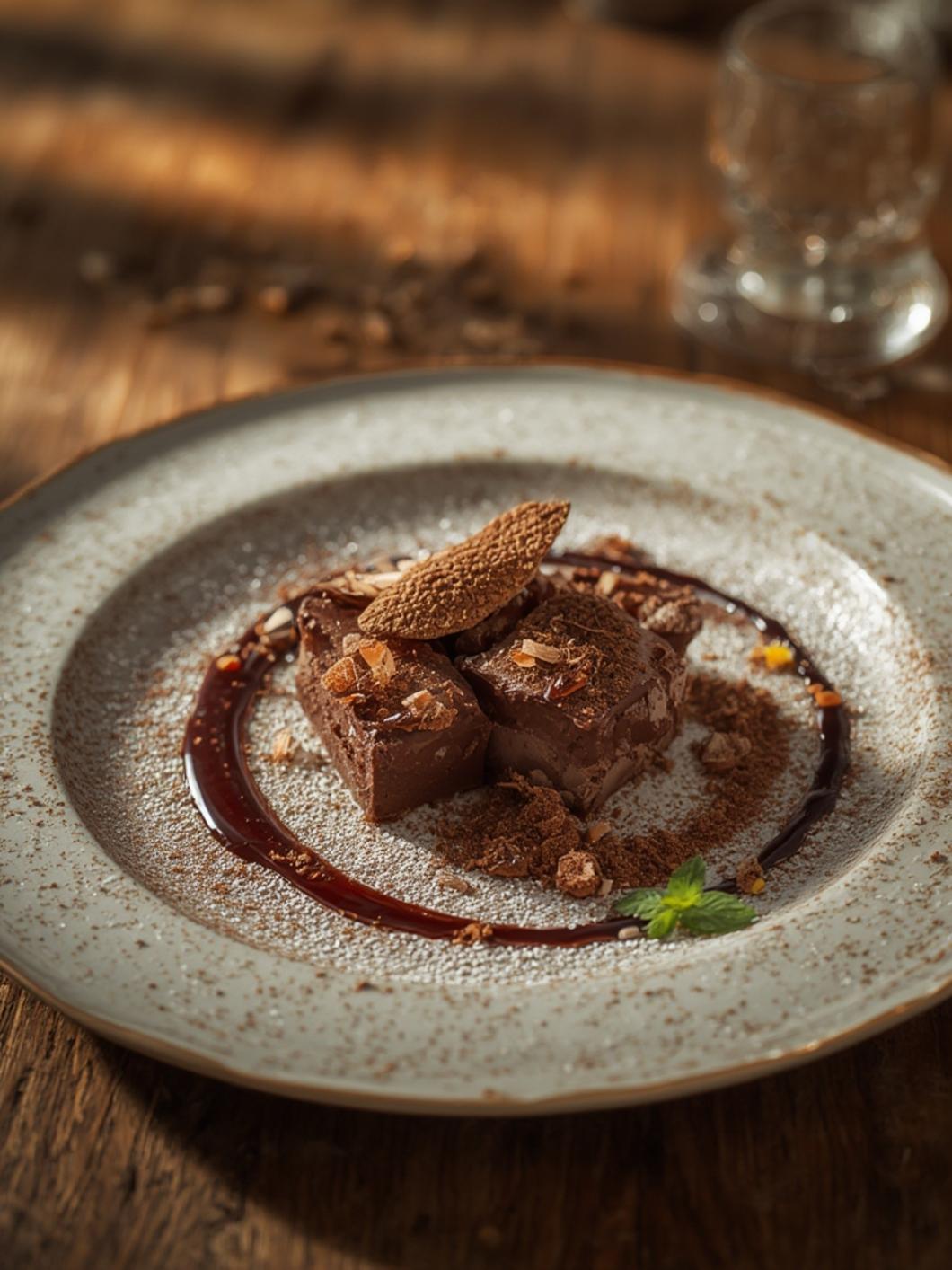
This is a project, not a quick fix, but the rewards are immense. Proper timing is non-negotiable for professional results.
-
- Active Prep & Assembly Time: 45-60 minutes. This involves melting, layering, and decorating.
- Chilling & Setting Time: Minimum 2 hours, ideally 4 hours or overnight. This is the most important passive time. Rushing this leads to a soft, messy bar.
- Total Time: 2 hours 45 minutes to 4 hours 45 minutes.
Context: Think of this like making a sophisticated, layered pasta bake. The active cooking is swift, but the resting period is where the magic happens. Set aside an afternoon, complete the active steps, then let it chill while you do other things. The patience is directly proportional to the final crackle.
Instructions: Building the Layers of Luxury
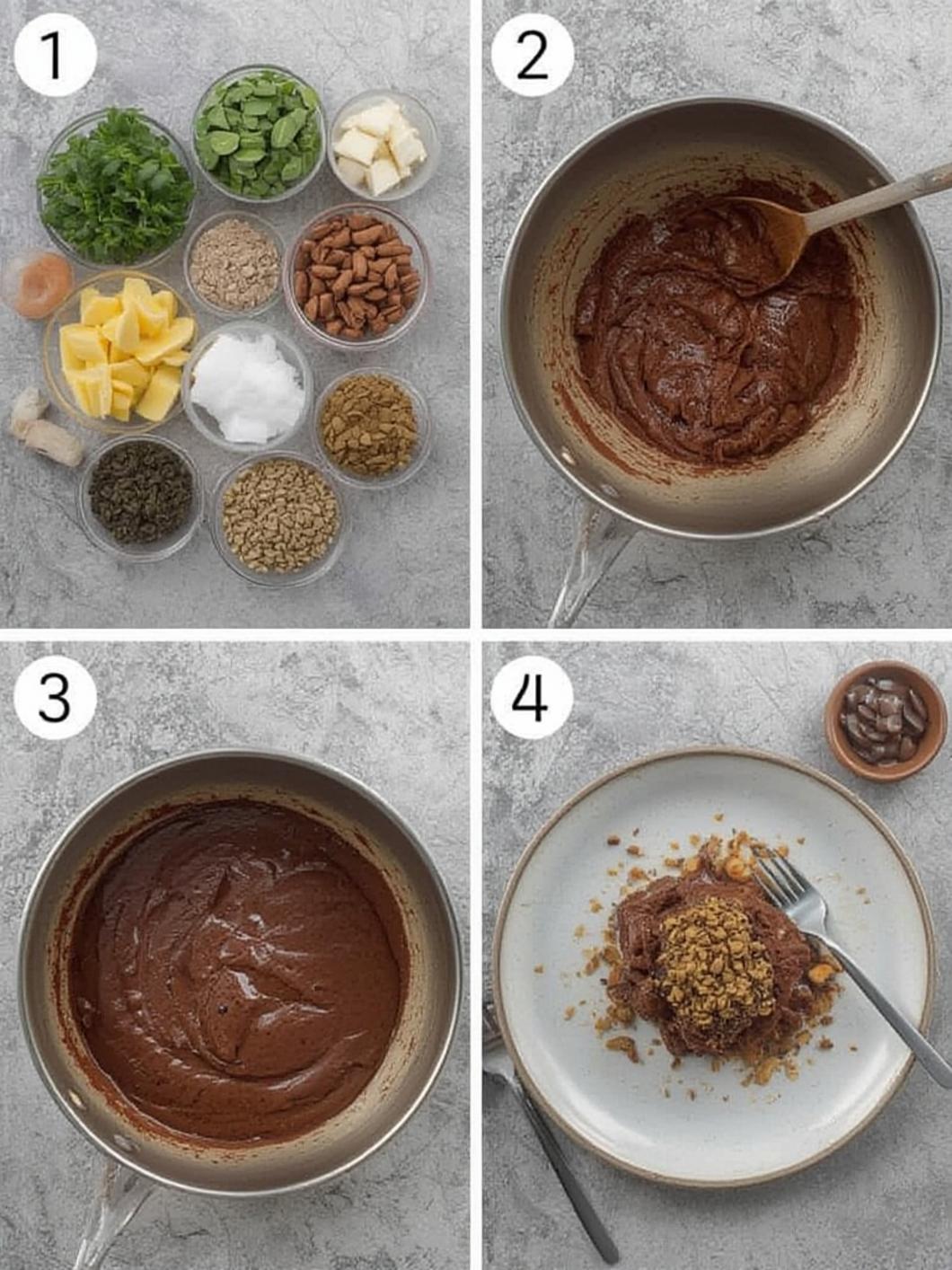
Now, the main event. Follow these steps meticulously for your own Dubai chocolate recipe masterpiece.
-
- Temper the Dark Chocolate Base: Melt 300g of your dark chocolate using the double boiler method, monitoring with your thermometer. Bring it to 45-50°C (113-122°F), then cool it down to 31-32°C (88-90°F) by transferring the bowl to a cool surface and stirring. This tempering is what gives the finished bar its firm, glossy snap. Pour this onto your prepared parchment-lined sheet, spreading it into a 10×15 inch rectangle. Let it set for 5-7 minutes until just firm to the touch, not fully hard.
- Create the Signature White Streaks: Melt the white chocolate. Using your squeeze bottles or a spoon, drizzle horizontal lines across the semi-set dark chocolate. Immediately take your guitar pick or offset spatula and drag it vertically through both chocolates at even intervals. This creates the iconic striped pattern. Don’t overmix; you want distinct bands.
- Add the Crunch & Flair: While the white chocolate is still wet, sprinkle your chopped pistachios, almonds, dried cranberries, and a pinch of sea salt flakes evenly over the entire surface. Press them in very gently with the back of a spoon so they adhere.
- The Finishing Touch: Drizzle or pipe small dots or lines of the remaining 100g of tempered dark chocolate over the top for visual complexity. If using, apply edible gold leaf flakes sparingly for that luxe look. Use toothpicks to create tiny bubbles or swirls in the white chocolate patches for added texture.
- The Final, Crucial Chill: Place the entire baking sheet flat in the refrigerator. Do not move it for at least 2 hours. For the cleanest break, chill for 4 hours or overnight.
- The Grand Break: Once completely firm, lift the chocolate slab out. Use a sharp chef’s knife to score it first into your desired bar sizes (e.g., 2×3 inches), then press down firmly along the scored lines to break it. The tempered chocolate should snap cleanly.
Pro Tip: Work quickly but calmly once the chocolate is melted. Keep your workspace cool and dry—any moisture will cause the chocolate to seize. If your kitchen is warm, work near an AC vent.
Nutritional Benefits / Advantages: A Guilt-Free Indulgence?
While still a treat, a homemade version of this viral chocolate recipes has clear advantages over store-bought:
-
- Superior Ingredients: You control the cocoa percentage (higher = more antioxidants/flavanols) and avoid processed oils, excess sugars, and preservatives common in commercial confections.
- Nutrient-Dense Add-ins: The nuts provide healthy fats, protein, fiber, and vitamin E. Dried fruit offers iron and potassium.
- No Artificial Anything: No PGPR (a cheaper emulsifier), artificial flavors, or colors. Just pure chocolate and real food.
- Portion Control: By making a batch, you can break it into perfectly sized bars and package them, preventing mindless overeating from a large block.
Tips: Alternative Methods & Creative Twists
Make this recipe your own with these variations:
-
- Flavor Infusions: Add 1/4 tsp of espresso powder to the dark chocolate, or a pinch of chili powder/cayenne for a kick.
- Nut-Free Version: Omit tree nuts and use seeds like pumpkin (pepitas) or sunflower seeds. Ensure all equipment is nut-free if allergies are a concern.
- Vegan/Dairy-Free: Use high-quality vegan dark and white chocolate (cocoa butter-based). The camel milk powder can be replaced with coconut milk powder for a tropical note.
- Fruit & Herb Swirls: Before adding the main mix-ins, swirl in a few drops of raspberry purée or a sprinkle of crushed freeze-dried raspberries. Fresh rosemary or thyme sprigs pressed in add an elegant, aromatic touch.
- Seasonal Swaps: In fall, use toasted pecans and dried apricots. In winter, add candied ginger and a touch of orange zest.
Common Mistakes to Avoid: Save Your Batch from Disaster
-
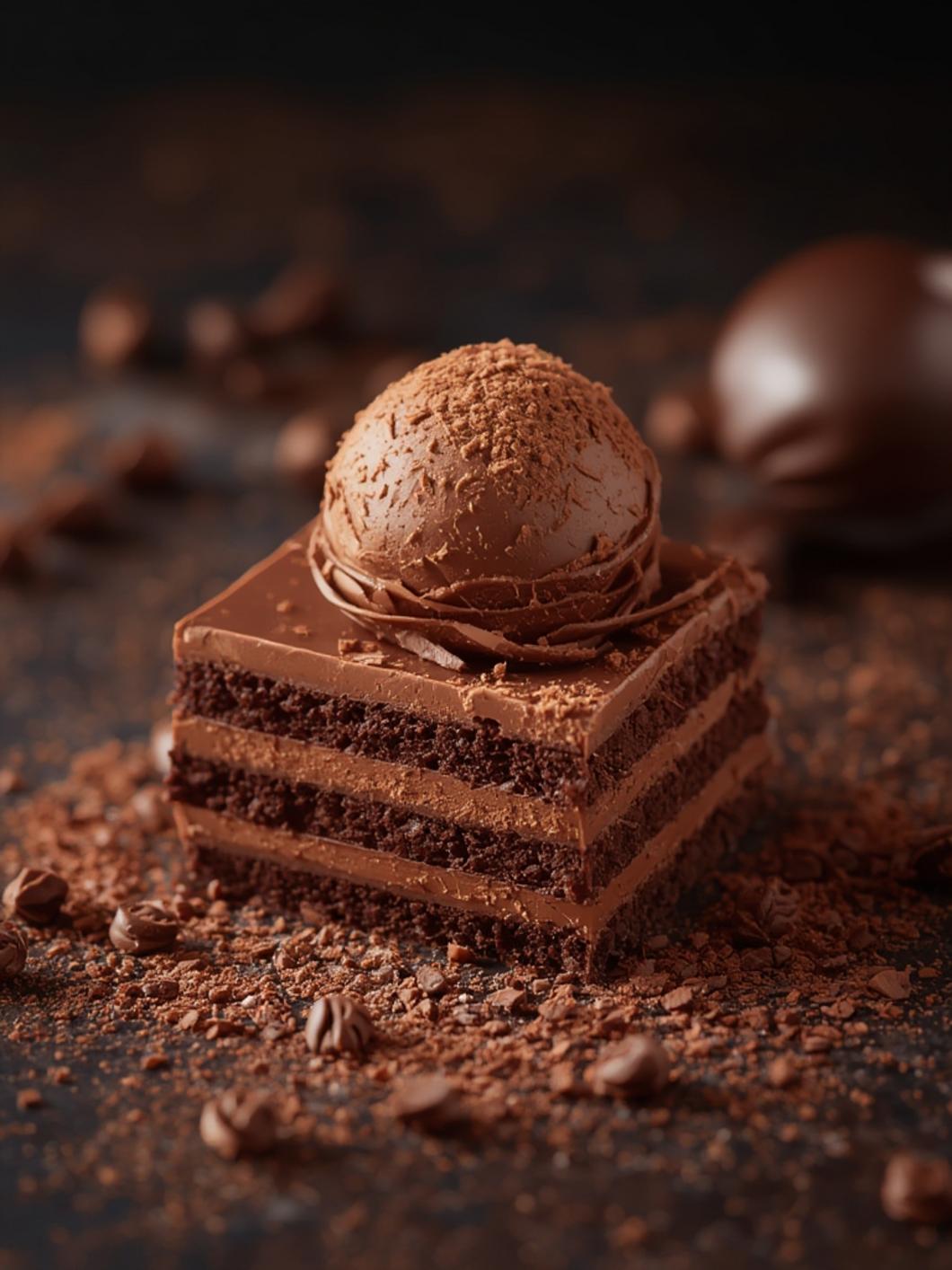
- Mistake: Chocolate Seizes (becomes grainy and clumpy). Solution: Ensure no water touches the chocolate. All utensils and bowls must be completely dry. If it seizes, add 1 tbsp of neutral oil (like vegetable) and stir vigorously—it will smooth out but won’t be suitable for tempering.
- Mistake: No Snap (bars bend instead of break). Solution: You skipped or botched the tempering process. The chocolate must be cooled to the correct temperature (31-32°C/88-90°F for dark). Invest in a thermometer.
- Mistake: White Chocolate “Bleeds” or Streaks. Solution: The dark chocolate layer was too soft when you added the white. Let it set just until firm (5-7 mins), not liquid but not rock hard.
- Mistake: Messy Breaks. Solution: Under-chilling. It must be rock-solid cold. Use a sharp, warm knife (dip in hot water, dry) for a cleaner score, but the tempering is more critical.
- Mistake: Blooming (white streaks or dots appear later). Solution: Caused by temperature swings. Store in a cool, stable place (not the fridge unless necessary) and avoid rapid temperature changes.
Storage / Maintenance Tips: Keeping Your Luxury Fresh
Proper storage ensures your homemade chocolate stays perfect:
-
- Room Temperature: If your home is cool (<21°C/70°F) and dry, store in an airtight container in a dark cupboard for 2-3 weeks. Keep away from strong odors.
- Refrigeration: Best for longer storage (up to 2 months) or in warm climates. Place bars in an airtight container with a paper towel to absorb moisture. Let them come to room temp in the sealed container before opening to prevent condensation.
- Freezing: Not ideal for chocolate with inclusions (nuts/fruit) as they can become soft. If you must, wrap individual bars tightly in plastic wrap, then foil, and freeze for up to 3 months. Thaw slowly in the fridge, then at room temp.
- Food Safety: Always use clean utensils. If any bar develops an off smell or significant bloom (beyond a few harmless streaks), discard it.
Conclusion: Your Gourmet Chocolate Journey Begins
Mastering this iconic Dubai chocolate recipe is a testament to the magic of precise technique and quality ingredients. You’ve learned that achieving that signature snap relies on the science of tempering, that the visual drama comes from a delicate timing balance between layers, and that the final product is infinitely customizable. By choosing to make one of the world’s most coveted viral chocolate recipes at home, you gain control over flavor, nutrition, and cost. You’re not just making a candy bar; you’re crafting an experience. We encourage you to try this recipe, experiment with your own mix-ins, and share your stunning results. What twist will you add? Explore our other gourmet dessert guides to continue your culinary adventure.
FAQs: Your Burning Questions Answered
Can I use compound chocolate (chocolate chips) instead of real baking chocolate?
A: You can, but the results will be inferior. Compound chocolate doesn’t require tempering but won’t achieve a true, glossy snap or clean break. It will be softer and may have a waxy mouthfeel. For authentic results, couverture or high-quality baking chocolate is essential.
What if I don’t have camel milk powder? Is it crucial?
A: It is not crucial. It’s an optional regional touch that adds a subtle caramel-note complexity. Simply omit it or replace with 1 tsp of regular milk powder. The recipe will still be delicious.
My chocolate seized when I melted it! Can I save it?
A: If it’s a small amount, you can sometimes rescue it by adding 1 tbsp of neutral oil (like canola or grapeseed) and stirring vigorously. It will become smooth, glossy sauce—perfect for drizzling on ice cream, but it won’t temper properly for a firm bar. For a bar, it’s best to start over with completely dry equipment.
Can I make this without a thermometer?
A: It’s extremely difficult and unreliable. Tempering is a temperature-specific process. A cheap digital thermometer is a worthwhile investment for any chocolate work. Without it, you’re guessing, and your bar will likely not snap.
A: The most likely culprit is incorrect tempering (chocolate not cooled to 31-32°C/88-90°F before pouring) or insufficient chilling time. Ensure you follow the tempering steps precisely and chill for a full 4 hours or overnight. Humidity can also affect setting.
Print
The Dubai Chocolate Recipe: How to Make the Viral Luxury Treat at Home
Description
Success starts with the right tools and premium ingredients. Here’s your complete checklist:
Ingredients
Core Ingredients:
-
- High-Quality Dark Chocolate (60-70%): 400g. This is your base. Callebaut or Valrhona are excellent choices for a glossy snap and deep flavor.
- White Chocolate: 200g. For the signature striped layers. Ensure it’s real white chocolate (cocoa butter-based), not compound.
- Edible Gold Leaf or Dust: For that unmistakable Dubai opulence. Optional but highly recommended.
- Pistachios (shelled, unsalted): 100g, roughly chopped. The classic nut for crunch and color.
- Almonds or Hazelnuts: 50g, roughly chopped. Adds a different textural note.
- Dried Cranberries or Cherries: 50g. For a tart contrast.
- Sea Salt Flakes: A pinch, to elevate all the flavors.
- Optional Authentic Touch: 1-2 tsp Camel Milk Powder. This is a nod to the region’s innovation, adding a unique caramel-like richness. Can substitute with regular milk powder or omit.
Essential Equipment:
-
- Double Boiler (or a heatproof bowl over a saucepan): For gentle, even melting. Never melt chocolate directly on heat.
- Digital Kitchen Thermometer: Critical for tempering the dark chocolate to achieve a glossy, firm snap. Aim for 45-50°C (113-122°F) to melt, then cool to 31-32°C (88-90°F).
- Acoustic Guitar Picks or Offset Spatulas: For creating perfect, sharp lines in the white chocolate layer.
- 10x15 inch (25×38 cm) Baking Sheet: Lined with parchment paper.
- Small Squeeze Bottles or Piping Bags: For drizzling the different chocolate layers.
- Offset Spatula and Bench Scraper: For smoothing and texturing.
- Toothpicks: For creating fine lines and bubbles in the white chocolate layer.
Timing / Cooking Schedule: Plan Your Chocolate Marathon
This is a project, not a quick fix, but the rewards are immense. Proper timing is non-negotiable for professional results.
-
- Active Prep & Assembly Time: 45-60 minutes. This involves melting, layering, and decorating.
- Chilling & Setting Time: Minimum 2 hours, ideally 4 hours or overnight. This is the most important passive time. Rushing this leads to a soft, messy bar.
- Total Time: 2 hours 45 minutes to 4 hours 45 minutes.
Context: Think of this like making a sophisticated, layered pasta bake. The active cooking is swift, but the resting period is where the magic happens. Set aside an afternoon, complete the active steps, then let it chill while you do other things. The patience is directly proportional to the final crackle.
Instructions
Instructions: Building the Layers of Luxury
Now, the main event. Follow these steps meticulously for your own Dubai chocolate recipe masterpiece.
-
- Temper the Dark Chocolate Base: Melt 300g of your dark chocolate using the double boiler method, monitoring with your thermometer. Bring it to 45-50°C (113-122°F), then cool it down to 31-32°C (88-90°F) by transferring the bowl to a cool surface and stirring. This tempering is what gives the finished bar its firm, glossy snap. Pour this onto your prepared parchment-lined sheet, spreading it into a 10×15 inch rectangle. Let it set for 5-7 minutes until just firm to the touch, not fully hard.
- Create the Signature White Streaks: Melt the white chocolate. Using your squeeze bottles or a spoon, drizzle horizontal lines across the semi-set dark chocolate. Immediately take your guitar pick or offset spatula and drag it vertically through both chocolates at even intervals. This creates the iconic striped pattern. Don’t overmix; you want distinct bands.
- Add the Crunch & Flair: While the white chocolate is still wet, sprinkle your chopped pistachios, almonds, dried cranberries, and a pinch of sea salt flakes evenly over the entire surface. Press them in very gently with the back of a spoon so they adhere.
- The Finishing Touch: Drizzle or pipe small dots or lines of the remaining 100g of tempered dark chocolate over the top for visual complexity. If using, apply edible gold leaf flakes sparingly for that luxe look. Use toothpicks to create tiny bubbles or swirls in the white chocolate patches for added texture.
- The Final, Crucial Chill: Place the entire baking sheet flat in the refrigerator. Do not move it for at least 2 hours. For the cleanest break, chill for 4 hours or overnight.
- The Grand Break: Once completely firm, lift the chocolate slab out. Use a sharp chef’s knife to score it first into your desired bar sizes (e.g., 2×3 inches), then press down firmly along the scored lines to break it. The tempered chocolate should snap cleanly.
Pro Tip: Work quickly but calmly once the chocolate is melted. Keep your workspace cool and dry—any moisture will cause the chocolate to seize. If your kitchen is warm, work near an AC vent.
Nutritional Benefits / Advantages: A Guilt-Free Indulgence?
While still a treat, a homemade version of this viral chocolate recipes has clear advantages over store-bought:
-
- Superior Ingredients: You control the cocoa percentage (higher = more antioxidants/flavanols) and avoid processed oils, excess sugars, and preservatives common in commercial confections.
- Nutrient-Dense Add-ins: The nuts provide healthy fats, protein, fiber, and vitamin E. Dried fruit offers iron and potassium.
- No Artificial Anything: No PGPR (a cheaper emulsifier), artificial flavors, or colors. Just pure chocolate and real food.
- Portion Control: By making a batch, you can break it into perfectly sized bars and package them, preventing mindless overeating from a large block.
Tips: Alternative Methods & Creative Twists
Make this recipe your own with these variations:
-
- Flavor Infusions: Add 1/4 tsp of espresso powder to the dark chocolate, or a pinch of chili powder/cayenne for a kick.
- Nut-Free Version: Omit tree nuts and use seeds like pumpkin (pepitas) or sunflower seeds. Ensure all equipment is nut-free if allergies are a concern.
- Vegan/Dairy-Free: Use high-quality vegan dark and white chocolate (cocoa butter-based). The camel milk powder can be replaced with coconut milk powder for a tropical note.
- Fruit & Herb Swirls: Before adding the main mix-ins, swirl in a few drops of raspberry purée or a sprinkle of crushed freeze-dried raspberries. Fresh rosemary or thyme sprigs pressed in add an elegant, aromatic touch.
- Seasonal Swaps: In fall, use toasted pecans and dried apricots. In winter, add candied ginger and a touch of orange zest.