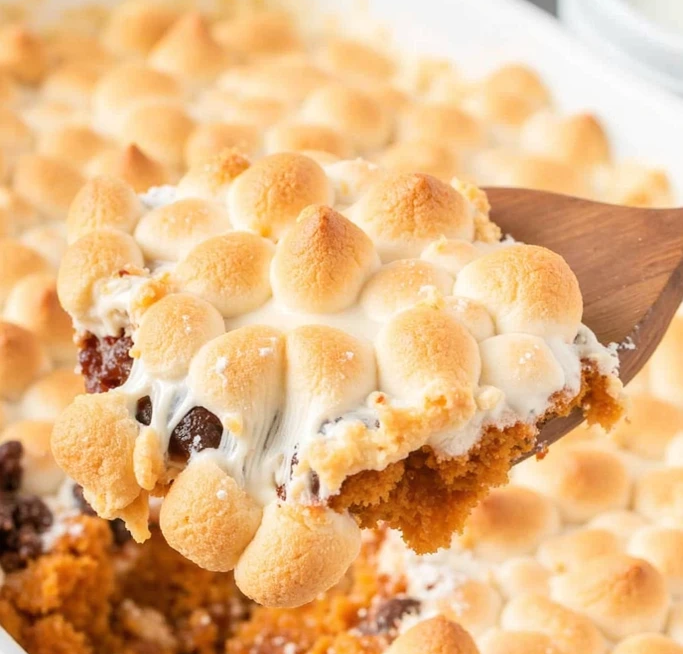
The first time I truly appreciated sweet potato casserole with marshmallows was at my grandmother’s Thanksgiving table. I was maybe eight years old, and up until that point, I’d been skeptical of any vegetable that came with a topping of toasted marshmallows. It seemed too good to be true—a side dish that tasted like dessert? But one bite of that creamy, cinnamon-spiced sweet potato base topped with golden, melty marshmallows changed my mind forever. From that day forward, it became my favorite dish on the holiday table, the one I’d pile high on my plate before anything else.
Sweet potato casserole with marshmallows is more than just a side dish—it’s a beloved American tradition, particularly in the South, where it graces tables at Thanksgiving, Christmas, and other special occasions. The combination of naturally sweet potatoes enhanced with warm spices, a touch of butter, and that iconic marshmallow topping creates a dish that’s both comforting and celebratory. While some food purists might argue about whether something this sweet belongs on the savory side of the table, millions of families across the country would disagree. This dish has earned its place through generations of holiday memories.
The History and Appeal of Sweet Potato Casserole with Marshmallows
A Uniquely American Tradition
The sweet potato casserole with marshmallows we know today has its roots in early 20th-century America. While sweet potatoes have been cultivated in the Americas for thousands of years, the idea of topping them with marshmallows was a marketing strategy developed by the Cracker Jack Company in 1917. They printed a recipe for “Sweet Potato Casserole” on recipe cards distributed with their products, hoping to increase marshmallow sales.
The recipe caught on, particularly in the South where sweet potatoes were abundant and affordable. By the mid-20th century, sweet potato casserole with marshmallows had become a Thanksgiving staple in homes across America. Today, it remains one of the most divisive dishes on the holiday table—people either absolutely love it or question why something so sweet is served alongside turkey and stuffing.
Why This Dish Works
The genius of sweet potato casserole with marshmallows lies in its contrasts. The sweet potato base is smooth, rich, and earthy, while the marshmallow topping is light, sweet, and slightly crispy on top where it’s been toasted. The warm spices—typically cinnamon, nutmeg, and sometimes ginger—bridge the gap between sweet and savory, making the dish feel appropriate alongside traditional holiday fare.
There’s also something deeply nostalgic about this casserole. For many people, the sight of those golden-brown marshmallows signals the arrival of the holiday season. It’s a dish that children love (because what kid doesn’t want marshmallows with dinner?) and adults appreciate for its comfort-food qualities and the memories it evokes.
Essential Ingredients for Sweet Potato Casserole with Marshmallows
For the Sweet Potato Base:
- 4 pounds sweet potatoes (about 6 medium sweet potatoes)
- ½ cup unsalted butter, melted
- ½ cup granulated sugar
- ¼ cup brown sugar, packed
- 2 large eggs
- ⅓ cup whole milk
- 1 teaspoon vanilla extract
- 1 teaspoon ground cinnamon
- ½ teaspoon ground nutmeg
- ½ teaspoon salt
For the Marshmallow Topping:
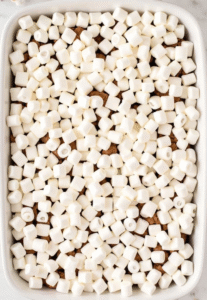
- 4 cups mini marshmallows (or about 20 large marshmallows, cut in half)
Optional Variations:
- ½ cup chopped pecans for added crunch
- ¼ teaspoon ground ginger for extra spice
- 2 tablespoons bourbon for depth of flavor
Step-by-Step Instructions for Perfect Sweet Potato Casserole with Marshmallows
Preparing the Sweet Potatoes
The foundation of any great sweet potato casserole with marshmallows is properly cooked sweet potatoes. I’ve tried several methods over the years, and I’ve found that baking the sweet potatoes whole produces the best flavor and texture. The dry heat of the oven concentrates the natural sugars in the potatoes, making them sweeter and more flavorful than boiling.
Preheat your oven to 400°F (200°C). Scrub the sweet potatoes clean and pierce each one several times with a fork. Place them on a baking sheet lined with aluminum foil (this catches any caramelized drips) and bake for 45-60 minutes, or until they’re very tender when pierced with a knife. The exact timing will depend on the size of your sweet potatoes—larger ones will take longer.
Once the sweet potatoes are done, let them cool until you can handle them comfortably. Reduce your oven temperature to 350°F (175°C) for the casserole. Slice each sweet potato in half lengthwise and scoop the flesh into a large mixing bowl. You should have about 4 cups of cooked sweet potato flesh. Discard the skins.
Creating the Sweet Potato Base
With your sweet potato flesh in a large bowl, it’s time to create that silky, dreamy base. Add the melted butter to the bowl and use a potato masher or hand mixer to mash the sweet potatoes until they’re smooth. I prefer using a hand mixer on low speed because it creates a wonderfully smooth, almost whipped texture that’s lighter than what you can achieve with a masher alone.
Add the granulated sugar, brown sugar, eggs, milk, vanilla extract, cinnamon, nutmeg, and salt to the mashed sweet potatoes. Beat with the hand mixer until everything is well combined and the mixture is smooth and creamy. The consistency should be similar to thick mashed potatoes, not soupy or watery. If it seems too thick, you can add a tablespoon or two more milk; if it’s too thin, don’t worry—it will firm up during baking.
Taste the mixture at this point and adjust the seasoning if needed. Some sweet potatoes are naturally sweeter than others, so you might want to add a touch more sugar or spice depending on your preference. Remember, the marshmallow topping will add significant sweetness, so you don’t want the base to be overly sweet on its own.
Assembling the Sweet Potato Casserole
Grease a 9×13-inch baking dish with butter or cooking spray. Pour the sweet potato mixture into the prepared dish, spreading it evenly with a spatula. The layer should be about 1 to 1½ inches thick. If you’re adding pecans as a layer (some people like a pecan layer between the sweet potatoes and marshmallows), this is the time to sprinkle them over the top.
At this point, you can cover the dish with plastic wrap and refrigerate it for up to 24 hours if you’re preparing ahead. This is particularly useful for holiday cooking when oven and prep time are at a premium. Just remember to let the dish sit at room temperature for about 30 minutes before baking.
Adding the Marshmallow Topping
This is the moment that transforms a simple sweet potato casserole into the iconic sweet potato casserole with marshmallows that we all know and love. Arrange the mini marshmallows over the top of the sweet potato mixture in an even layer. You want complete coverage—no sweet potato should be visible through the marshmallows. If you’re using large marshmallows, cut them in half and arrange them cut-side down for better coverage and browning.
Some people prefer to arrange their marshmallows in neat rows or in a decorative pattern. While this looks beautiful before baking, keep in mind that the marshmallows will expand, melt, and brown during baking, so intricate patterns won’t remain intact. I typically just spread them evenly and let the oven work its magic.
Baking to Golden Perfection
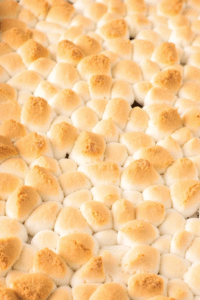
Place your assembled sweet potato casserole with marshmallows in the preheated 350°F (175°C) oven. Bake for 25-30 minutes, or until the casserole is heated through and the marshmallows are golden brown on top. Keep a close eye on it during the last 5-10 minutes of baking—marshmallows can go from perfectly toasted to burnt quite quickly.
If your marshmallows are browning too fast before the casserole is heated through, you can tent the dish loosely with aluminum foil. Alternatively, you can bake the casserole covered for the first 20 minutes, then remove the foil and bake for an additional 10-15 minutes to brown the marshmallows.
For extra browning and a slightly crispy marshmallow top, you can place the finished casserole under the broiler for 1-2 minutes. Watch it constantly during this step—broilers work fast, and you don’t want burnt marshmallows.
Expert Tips for Sweet Potato Casserole Success
Choosing the Right Sweet Potatoes
Not all sweet potatoes are created equal. For the best results in your sweet potato casserole with marshmallows, look for medium-sized sweet potatoes that are firm and free of soft spots. The variety typically found in American grocery stores—those with copper-colored skin and orange flesh—work perfectly for this recipe. These are actually a variety of yam (though true yams are different), and they’re naturally sweet with a creamy texture when cooked.
Avoid sweet potatoes that have been stored in cold temperatures, as this can cause the centers to develop hard, woody cores. Also, try to choose sweet potatoes that are similar in size so they cook evenly if you’re baking them whole.
Achieving the Perfect Texture
The texture of your sweet potato base is crucial. You want it smooth and creamy, not lumpy or stringy. If you find your sweet potatoes have stringy bits after mashing, you can press the mixture through a fine-mesh strainer or food mill. This extra step creates an incredibly silky texture that’s worth the effort for special occasions.
On the other hand, if you prefer a slightly chunky, rustic texture, mash the sweet potatoes with a potato masher rather than using a mixer. This gives the casserole more character and texture variation.
Marshmallow Alternatives and Enhancements
While mini marshmallows are traditional, you can use homemade marshmallows for an extra-special touch. Homemade marshmallows brown more evenly and have a richer flavor than store-bought varieties. You can also experiment with flavored marshmallows—vanilla bean or cinnamon marshmallows add an interesting twist.
For a more sophisticated presentation, some cooks prefer to torch the marshmallows tableside with a kitchen torch. This creates beautiful, evenly browned marshmallows with a spectacular show factor.
Nutritional Information for Sweet Potato Casserole with Marshmallows
Per serving (recipe serves 12):
- Calories: 285
- Total Fat: 8g
- Saturated Fat: 5g
- Cholesterol: 50mg
- Sodium: 180mg
- Total Carbohydrates: 51g
- Dietary Fiber: 4g
- Sugars: 32g
- Protein: 3g
- Vitamin A: 380% DV
- Vitamin C: 25% DV
- Calcium: 6% DV
- Iron: 5% DV
Sweet potatoes are incredibly nutritious, packed with vitamin A, fiber, and antioxidants. While the added sugar and marshmallows increase the calorie and sugar content, this casserole still provides valuable nutrients.
Serving and Presentation Ideas for Sweet Potato Casserole
Traditional Holiday Presentation
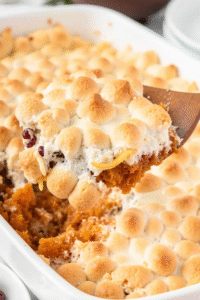
Sweet potato casserole with marshmallows is typically served family-style in the baking dish it was cooked in. The golden-brown marshmallow topping is its own decoration, creating a beautiful contrast against the orange sweet potato base visible around the edges. Place the hot casserole dish on a trivet or decorative board to protect your table, and provide a large serving spoon so guests can help themselves.
Individual Portions
For a more elegant presentation, consider making individual sweet potato casseroles with marshmallows in ramekins or small baking dishes. Divide the sweet potato mixture among 8-12 ramekins (depending on size), top each with marshmallows, and bake as directed. This presentation is particularly nice for dinner parties or when you want to create a more refined holiday table.
Garnishing Ideas
While the marshmallow topping is beautiful on its own, you can add additional garnishes for visual interest. A sprinkle of cinnamon, a few pecans arranged on top before baking, or a light dusting of brown sugar adds color and texture. Fresh herbs like small sage leaves can provide a unexpected savory note that reminds diners this is intended as a side dish.
Pairing Suggestions for Sweet Potato Casserole with Marshmallows
Complementary Main Dishes
Sweet potato casserole with marshmallows is most commonly served alongside traditional holiday proteins. It pairs beautifully with roasted turkey, glazed ham, or prime rib. The sweetness of the casserole complements the savory, salty flavors of these main dishes, while the creamy texture provides contrast to crispy-skinned poultry or crusty roasted meats.
For a complete holiday menu, serve your sweet potato casserole with other traditional sides like green bean casserole, cranberry sauce, stuffing, and dinner rolls. The variety of flavors and textures creates a satisfying, celebratory meal.
Beverage Pairings
When it comes to beverage pairings, sweet potato casserole with marshmallows works well with both wine and non-alcoholic options. For wine, consider a slightly sweet Riesling or Gewürztraminer—the floral notes and residual sugar complement the spiced sweetness of the casserole. If you prefer red wine, a light-bodied Pinot Noir won’t overpower the dish.
For non-alcoholic options, apple cider (either hot or cold) is a natural pairing, as is sparkling cider or cranberry juice. The fruit flavors echo the autumn harvest theme and balance the richness of the casserole.
Variations on Classic Sweet Potato Casserole with Marshmallows
Savory-Sweet Balance
If you find traditional sweet potato casserole with marshmallows too sweet, you can adjust the recipe to strike a better savory-sweet balance. Reduce the added sugars by half, increase the salt slightly, and add a pinch of cayenne pepper or black pepper to the sweet potato mixture. This creates a more sophisticated flavor profile that appeals to those who prefer less sweetness with their dinner.
Streusel Topping Alternative
While marshmallows are the iconic topping for this casserole, some people prefer a pecan streusel topping instead. For this variation, combine 1 cup of chopped pecans with ½ cup of brown sugar, ¼ cup of flour, and ¼ cup of melted butter. Sprinkle this mixture over the sweet potato base and bake as directed. You can even do half marshmallows and half streusel to please everyone at your table.
Healthier Modifications
To create a lighter version of sweet potato casserole with marshmallows, you can make several substitutions. Replace half the butter with unsweetened applesauce or Greek yogurt. Use coconut sugar or maple syrup instead of refined sugar. For the topping, reduce the amount of marshmallows by half and add sliced almonds for crunch without as much sugar.
Flavor Variations
The basic sweet potato casserole recipe is quite versatile. Try adding orange zest and a splash of orange juice to the sweet potato mixture for a bright citrus note. A tablespoon of bourbon or dark rum adds depth and complexity. For a tropical twist, add coconut milk in place of regular milk and top with toasted coconut along with the marshmallows.
Make-Ahead Strategy for Sweet Potato Casserole with Marshmallows
Preparing Components in Advance
One of the great advantages of sweet potato casserole with marshmallows is that much of the work can be done ahead of time. The sweet potatoes can be baked and the base mixture can be prepared up to two days in advance. Store the mixture covered in the refrigerator, then bring to room temperature for 30 minutes before assembling and baking.
Freezing Options
This casserole freezes beautifully, making it an excellent candidate for holiday prep. Prepare the casserole completely through adding the marshmallow topping (but don’t bake it). Wrap the dish tightly in plastic wrap, then in aluminum foil, and freeze for up to 2 months. To bake, thaw overnight in the refrigerator, then let it come to room temperature for 30 minutes before baking as directed. You may need to add 5-10 minutes to the baking time.
Day-of Reheating
If you’ve baked your sweet potato casserole with marshmallows ahead and need to reheat it, cover it with foil and warm in a 300°F (150°C) oven for about 20 minutes, or until heated through. Remove the foil for the last 5 minutes if you want to refresh the marshmallow topping. Avoid microwaving, as this can make the marshmallows rubbery.
Troubleshooting Common Issues with Sweet Potato Casserole
Watery Casserole
If your sweet potato casserole with marshmallows turns out watery, the most common culprit is using sweet potatoes that were boiled rather than baked. Boiling adds excess moisture. If you must boil your sweet potatoes, be sure to drain them thoroughly and let them sit in the pot over low heat for a few minutes to evaporate excess moisture before mashing.
Burnt Marshmallows
Marshmallows burn easily, especially under high heat. If the top of your casserole is browning too quickly, reduce your oven temperature by 25°F and tent the dish loosely with foil. You can always add extra browning at the end under the broiler for 1-2 minutes if needed.
Too Sweet or Not Sweet Enough
Taste your sweet potato mixture before baking and adjust the sweetness to your preference. Remember that different varieties of sweet potatoes have varying levels of natural sweetness. If your casserole is too sweet after baking, serve it alongside savory dishes that will provide balance. If it’s not sweet enough, you can drizzle a little honey or maple syrup over individual servings.
The Science Behind Sweet Potato Casserole with Marshmallows
Understanding Sweet Potato Chemistry
Sweet potatoes contain an enzyme that converts starches to sugars when exposed to heat, which is why baked sweet potatoes taste sweeter than raw ones. The longer and slower you bake them, the more time this enzyme has to work its magic. This is why baking whole sweet potatoes at a moderate temperature produces such wonderfully sweet results.
The Maillard Reaction and Marshmallow Browning
The beautiful golden-brown color that develops on the marshmallow topping is the result of the Maillard reaction—a chemical reaction between amino acids and reducing sugars that creates complex flavors and brown color. This same reaction is responsible for the browning of bread crust, seared meat, and roasted coffee beans. It’s what makes that marshmallow topping not just visually appealing but also deliciously complex in flavor.
My Personal Cooking Tip
After making countless sweet potato casseroles with marshmallows over the years, here’s my most valuable piece of advice: don’t be intimidated by the sweetness or the seemingly indulgent nature of this dish. Yes, it’s sweet. Yes, it has marshmallows. But it’s also a dish that brings genuine joy to people’s faces, that creates connections across generations, and that has earned its place on the American holiday table through decades of tradition.
If you’ve never made sweet potato casserole with marshmallows because you thought it seemed too complicated or too sweet, I encourage you to try it just once. Make it for a holiday meal or a special family dinner. Watch how people’s eyes light up when they see those golden marshmallows. Listen to the stories it prompts—”My grandmother made this,” or “I haven’t had this in years!” These moments of connection and nostalgia are what holiday cooking is really about.
And remember, recipes are guidelines, not rules. If you want to adjust the sweetness, change the spices, or try a different topping, go ahead. The best version of sweet potato casserole with marshmallows is the one that your family loves and asks you to make year after year.
SEO Block:
Focus keyphrase: Sweet potato casserole with marshmallows
SEO title: Sweet Potato Casserole with Marshmallows: Classic Holiday Side Dish Recipe
Slug: sweet-potato-casserole-marshmallows
Keyphrase synonyms: sweet potato marshmallow casserole, holiday sweet potato dish, Thanksgiving sweet potato casserole
Meta description: Make perfect sweet potato casserole with marshmallows for holidays. Creamy sweet potatoes, warm spices, golden toasted topping.