Okay, so picture this: I’m ten years old, armed with a box of Bisquick and dreams of being a pancake prodigy. My mom’s out running errands, and I’ve decided I’m going to make the family breakfast. What could go wrong? Everything. I poured the mix, added what I thought was milk (it was actually orange juice from the fridge—don’t ask), and the batter was this lurid, curdled, citrus-scented gloop. I cooked it anyway. The result? Pancakes that were so sour and dense, my little sister took one bite, made a face like she’d been punched, and hid them under the couch cushion. My dad still jokes that those “orange Julius pancakes” were my first attempt at fermentation. That experience scarred me. For years, I stayed miles away from the griddle, convinced I was cursed when it came to breakfast. That is, until I discovered a game-changer: cottage cheese pancakes.
This isn’t your average fluffy stack. Finding this cottage cheese pancake recipe was like finding a secret cheat code for cooking. It promised protein-packed, impossibly fluffy pancakes with zero weird aftertaste, and for a kitchen disaster like me? It felt like a miracle. The first time I made them, I stood over the stove, heart pounding, terrified they’d flop. When they puffed up golden and perfect, I actually did a little dance in my kitchen. My husband walked in, took one look at my triumphant, flour-dusted face, and said, “You found the one thing you can’t screw up.” It was a good day. This recipe didn’t just give me delicious pancakes; it gave me back my confidence. It taught me that sometimes the most unlikely ingredient—in this case, a lump of white curds—is the hero you never saw coming.
Materials & Supplies
Alright, let’s get you set up. Gather these guys, and you’re golden. Think of this as your pancake toolkit.
For the Pancakes:
- Cottage Cheese: The star of the show! Use small curd, 2% or full-fat for best texture. Low-fat works, but they can be a touch drier. Please don’t use the no-salt-added kind here—we need a little salt in the batter.
- Eggs: Large, room temperature. They’re our binding agents and leavening helpers.
- Rolled Oats (or Oat Flour): I use old-fashioned rolled oats and blitz them in my blender. You can sub with ½ cup of oat flour directly. This is what gives them that hearty, wholesome structure.
- Baking Powder: The magic puff-er! Make sure yours is fresh (less than 6 months old) or your pancakes will be flat little discs of sadness.
- Vanilla Extract: A little splash of pure vanilla goes a long way. Trust me.
- Cinnamon & Nutmeg: Optional but highly recommended. A pinch of each makes everything cozy.
- A Pinch of Salt: Just a tiny pinch to balance the sweetness. Don’t skip it!
- Cooking Oil or Butter: For the pan. I use a mix—a little oil to start, then a tiny brush of butter for flavor.
For Serving (My Personal Favorites):
- Pure maple syrup (the good stuff!)
- Fresh berries—blueberries or sliced strawberries
- A dollop of Greek yogurt or ricotta
- A sprinkle of chopped nuts or seeds
Kitchen Tools:
- A blender or food processor: This is non-negotiable. We need to get that cottage cheese super smooth.
- A mixing bowl
- A whisk
- A non-stick skillet or griddle: A good one is worth its weight in gold.
- A spatula
- P measuring cup or scoop (for consistent sizes)
Timing / Cooking Schedule
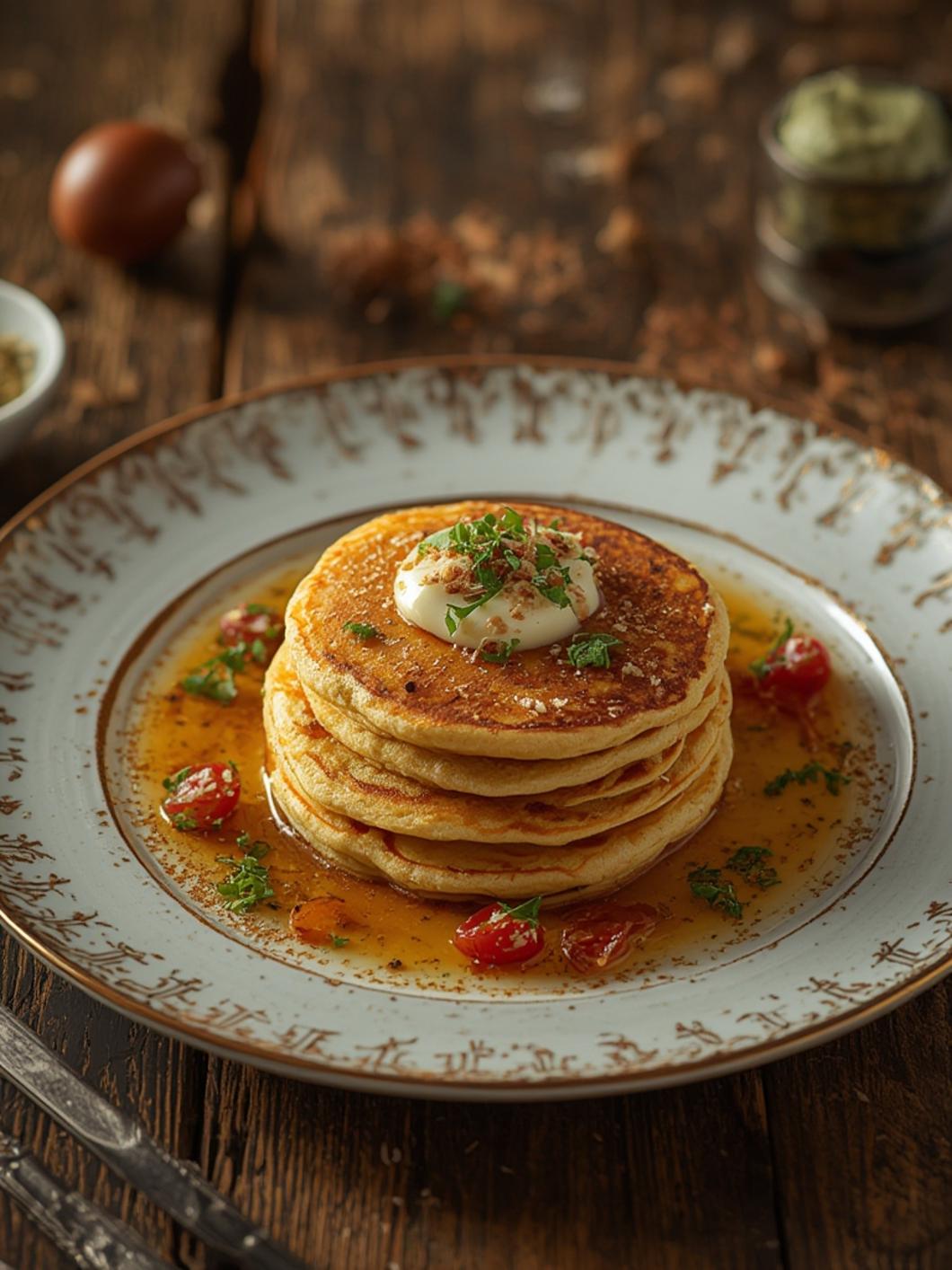
Don’t let the short times fool you—this is truly a quick breakfast for a weekday, but it feels like a weekend treat.
- Preparation Time: 5 minutes (seriously, just dump and blend)
- Cooking Time: About 10-12 minutes for a full batch (3-4 pancakes at a time)
- Total Time: 15-20 minutes from start to finish.
Personal note: The first time I made these, I was so nervous about the blending and cooking process that it took me easily 35 minutes. I kept checking the blender, second-guessing the batter consistency, and burning my first pancake because I was distracted. Now? It’s a well-oiled machine. You’ll get there!
Step-by-Step Instructions
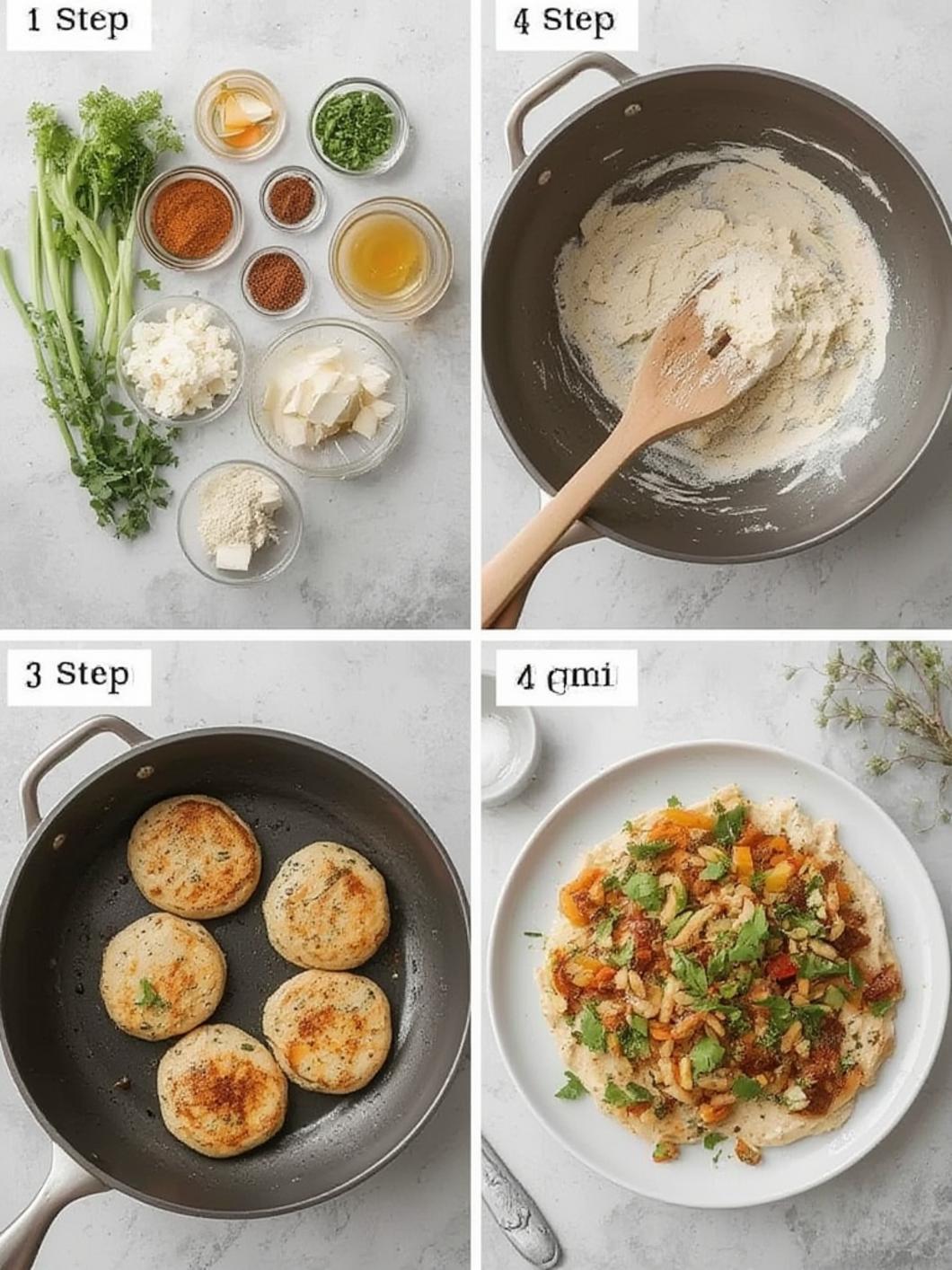
Let’s do this. Follow these steps, and you’ll be a pancake hero too.
1. Blend it Smooth: In your blender, combine the cottage cheese, eggs, rolled oats (or oat flour), baking powder, vanilla, cinnamon, nutmeg, and that tiny pinch of salt. Blend on high for 1-2 minutes until it’s completely smooth and creamy. There should be no visible curds or oat specks. My tip: Scrape down the sides halfway through. I made the mistake of skipping this thorough blend once and had weird gritty bits in my pancakes. Not a good look.
2. Rest the Batter (Don’t Skip!): Pour that gorgeous, smooth batter into your mixing bowl. Let it sit on the counter for 5 minutes. This is crucial! The oats will hydrate and thicken the batter. It should puff up slightly and look like a thick, pourable pancake batter. If it’s too thick after resting, add a teaspoon of milk or water.
3. Heat the Pan: Heat your skillet or griddle over medium-low heat. Lightly brush with oil or a little butter. You want it hot enough that a few drops of water sizzle, but not smoking. A too-hot pan = dark, raw-centered pancakes. A sad fate.
4. Cook the Pancakes: Scoop about ¼ cup of batter per pancake onto the hot pan. They’ll spread a little on their own. Cook for 2-3 minutes on the first side, until bubbles form on the surface and the edges look set. Flip carefully and cook for another 1-2 minutes until golden brown and springs back slightly when touched.
5. Keep Warm & Serve: Place finished pancakes on a plate in a warm oven (200°F) while you cook the rest. Serve immediately with your favorite toppings.
Nutritional Benefits / Advantages
Okay, let’s talk real talk for a sec. These aren’t just good for you pancakes; they’re legitimately nutritious. My doctor, who knows my love for breakfast foods, was genuinely surprised when I told him I make these at home every week. “You’re getting about 20 grams of protein from a stack of three?” he asked, raising an eyebrow. Yep! The cottage cheese and eggs make these a protein powerhouse, keeping you full for hours. They’re naturally gluten-free (if you use certified GF oats), low in sugar (the only sugar is from the oats and a touch in the cottage cheese), and packed with calcium. No weird protein powders or complicated substitutions—just real, whole food ingredients that happen to make something magical. My husband, who usually needs a snack by 10 AM, eats these and is good until lunch. That’s the power of protein, my friends.
Tips, Alternative Methods, or Cooking Advice
- For Extra Fluff: Add an extra egg white to the blender. It works wonders for lift.
- Citrus Zest: A teaspoon of lemon or orange zest in the batter is incredible in the spring.
- Chocolate Lover? Stir 2-3 tablespoons of dark chocolate chips or cacao nibs into the batter after blending.
- Savory Switch: Omit the cinnamon, nutmeg, and vanilla. Add a chopped scallion, a handful of grated sharp cheddar, and black pepper. Serve with a dollop of sour cream. Best “breakfast-for-dinner” ever.
- No Blender? You can try mashing the cottage cheese super fine with a fork and whisking vigorously, but I’m not gonna lie—the texture won’t be as perfect. The blender is key to that classic pancake mouthfeel without flour.
Common Mistakes to Avoid
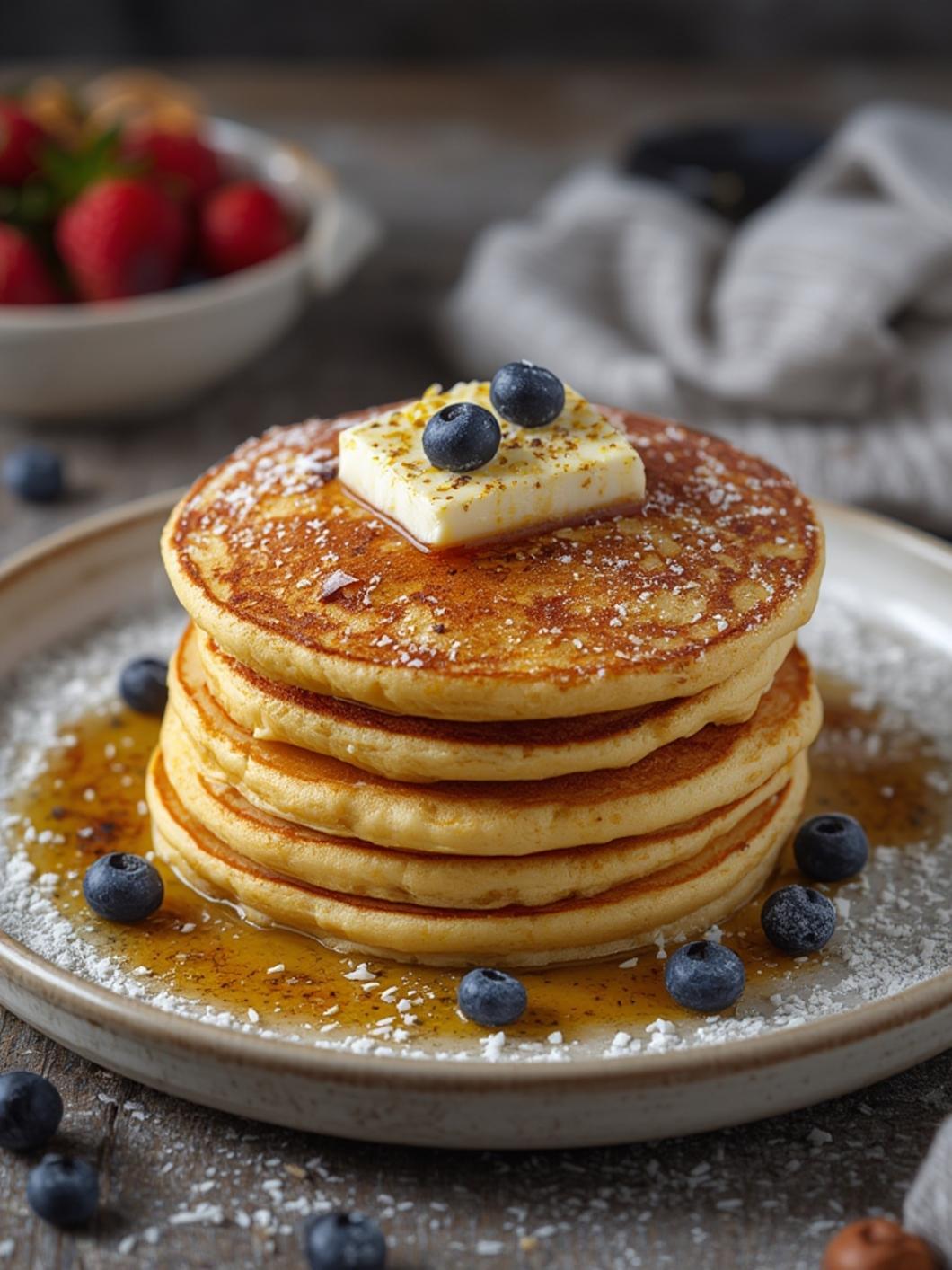
My biggest blunder? Skipping the rest time. I was so eager once that I poured the batter on the griddle immediately. The result was a sad, thin, weirdly chewy pancake that stuck to the pan. I tried to salvage it, but it was basically a messy egg-oat-cottage cheese crepe. I called them “scrambled pancakes” and my husband politely ate one before suggesting we order toast. Lesson learned: that five-minute rest is where the chemistry happens. The oats drink up the moisture, the baking powder gets happy, and you get a batter that holds its shape and puffs up perfectly. It’s the single most important step for success.
Storage / Maintenance Tips
Got leftovers? Lucky you. Let the pancakes cool completely on a wire rack (don’t stack them warm—they’ll get soggy). Store them in an airtight container in the fridge for up to 4 days. To reheat, a quick zap in the toaster or a few minutes in a hot, dry skillet brings them back to life beautifully. You can also freeze them! Layer parchment paper between each pancake, pop them in a freezer bag, and freeze for up to 2 months. Reheat straight from frozen in the toaster. It’s my secret weapon for a “gourmet” breakfast on a chaotic morning.
Conclusion
So there you have it. The recipe that turned a kitchen disaster who feared the griddle into someone who actually looks forward to making breakfast. These cottage cheese pancakes are more than just food to me; they’re a reminder that great things often come from humble, unexpected places. That lump of white curds in my fridge? It’s now my most trusted breakfast ally. They’re quick, they’re healthy, and they make me feel like a pro every single time. I truly believe this cottage cheese pancake recipe is a gateway to loving your kitchen again. Give it a shot on a lazy Sunday morning. I dare you not to smile when you flip that first perfect, golden brown pancake. And please, come back and tell me about it—did you go sweet with berries? Savory with cheese? I want to hear all about your pancake triumphs.
FAQs
Q: My batter is too thick/thin after resting. Help!
A: If it’s too thick (won’t pour), add a teaspoon of milk or water at a time until it’s a thick but pourable consistency. If it’s too thin (runs everywhere), whisk in a tablespoon of oat flour or let it rest another 2-3 minutes. The oats will continue to soak it up.
Q: Can I use Greek yogurt instead of cottage cheese?
A: The texture will be different—much thicker and tangier—and it might not puff up quite as much. You’d need to thin it with a splash of milk. It works in a pinch, but the cottage cheese really is ideal for that specific fluffy-yet-substantial texture.
Q: Are these really “pancakes” if they don’t have flour?
A: YES! A pancake is defined by its cooking method (on a griddle) and its batter-based form. These are 100% pancakes, just with a different, protein-forward base. Don’t let the lack of traditional flour scare you.
Q: My pancakes are sticking to the pan!
A: Your pan is likely not hot enough before you added the batter, or you didn’t use enough oil/butter. Make sure the pan is properly preheated (water droplets should dance, not sit). Use a non-stick surface and a light coating of fat. Also, don’t try to flip too early—wait for those bubbles on the surface!
Q: Can I make the batter ahead of time?
A: You can blend it and store it in the fridge for up to 24 hours. Give it a good stir before cooking, and you may need to add a splash of water to thin it out after resting in the fridge. They’re best fresh, but this works for meal prep!
Proven way to grow 7 simple Cottage cheese pancakes
Description
This isn’t your average fluffy stack. Finding this cottage cheese pancake recipe was like finding a secret cheat code for cooking. It promised protein-packed, impossibly fluffy pancakes with zero weird aftertaste, and for a kitchen disaster like me? It felt like a miracle. The first time I made them, I stood over the stove, heart pounding, terrified they’d flop. When they puffed up golden and perfect, I actually did a little dance in my kitchen. My husband walked in, took one look at my triumphant, flour-dusted face, and said, “You found the one thing you can’t screw up.” It was a good day. This recipe didn’t just give me delicious pancakes; it gave me back my confidence. It taught me that sometimes the most unlikely ingredient—in this case, a lump of white curds—is the hero you never saw coming.
Ingredients
Materials & Supplies
Alright, let’s get you set up. Gather these guys, and you’re golden. Think of this as your pancake toolkit.
For the Pancakes:
- Cottage Cheese: The star of the show! Use small curd, 2% or full-fat for best texture. Low-fat works, but they can be a touch drier. Please don’t use the no-salt-added kind here—we need a little salt in the batter.
- Eggs: Large, room temperature. They’re our binding agents and leavening helpers.
- Rolled Oats (or Oat Flour): I use old-fashioned rolled oats and blitz them in my blender. You can sub with ½ cup of oat flour directly. This is what gives them that hearty, wholesome structure.
- Baking Powder: The magic puff-er! Make sure yours is fresh (less than 6 months old) or your pancakes will be flat little discs of sadness.
- Vanilla Extract: A little splash of pure vanilla goes a long way. Trust me.
- Cinnamon & Nutmeg: Optional but highly recommended. A pinch of each makes everything cozy.
- A Pinch of Salt: Just a tiny pinch to balance the sweetness. Don’t skip it!
- Cooking Oil or Butter: For the pan. I use a mix—a little oil to start, then a tiny brush of butter for flavor.
For Serving (My Personal Favorites):
- Pure maple syrup (the good stuff!)
- Fresh berries—blueberries or sliced strawberries
- A dollop of Greek yogurt or ricotta
- A sprinkle of chopped nuts or seeds
Kitchen Tools:
- A blender or food processor: This is non-negotiable. We need to get that cottage cheese super smooth.
- A mixing bowl
- A whisk
- A non-stick skillet or griddle: A good one is worth its weight in gold.
- A spatula
- P measuring cup or scoop (for consistent sizes)
Timing / Cooking Schedule
Don’t let the short times fool you—this is truly a quick breakfast for a weekday, but it feels like a weekend treat.
- Preparation Time: 5 minutes (seriously, just dump and blend)
- Cooking Time: About 10-12 minutes for a full batch (3-4 pancakes at a time)
- Total Time: 15-20 minutes from start to finish.
Personal note: The first time I made these, I was so nervous about the blending and cooking process that it took me easily 35 minutes. I kept checking the blender, second-guessing the batter consistency, and burning my first pancake because I was distracted. Now? It’s a well-oiled machine. You’ll get there!
Instructions
Step-by-Step Instructions
Let’s do this. Follow these steps, and you’ll be a pancake hero too.
1. Blend it Smooth: In your blender, combine the cottage cheese, eggs, rolled oats (or oat flour), baking powder, vanilla, cinnamon, nutmeg, and that tiny pinch of salt. Blend on high for 1-2 minutes until it’s completely smooth and creamy. There should be no visible curds or oat specks. My tip: Scrape down the sides halfway through. I made the mistake of skipping this thorough blend once and had weird gritty bits in my pancakes. Not a good look.
2. Rest the Batter (Don’t Skip!): Pour that gorgeous, smooth batter into your mixing bowl. Let it sit on the counter for 5 minutes. This is crucial! The oats will hydrate and thicken the batter. It should puff up slightly and look like a thick, pourable pancake batter. If it’s too thick after resting, add a teaspoon of milk or water.
3. Heat the Pan: Heat your skillet or griddle over medium-low heat. Lightly brush with oil or a little butter. You want it hot enough that a few drops of water sizzle, but not smoking. A too-hot pan = dark, raw-centered pancakes. A sad fate.
4. Cook the Pancakes: Scoop about ¼ cup of batter per pancake onto the hot pan. They’ll spread a little on their own. Cook for 2-3 minutes on the first side, until bubbles form on the surface and the edges look set. Flip carefully and cook for another 1-2 minutes until golden brown and springs back slightly when touched.
5. Keep Warm & Serve: Place finished pancakes on a plate in a warm oven (200°F) while you cook the rest. Serve immediately with your favorite toppings.
Nutritional Benefits / Advantages
Okay, let’s talk real talk for a sec. These aren’t just good for you pancakes; they’re legitimately nutritious. My doctor, who knows my love for breakfast foods, was genuinely surprised when I told him I make these at home every week. “You’re getting about 20 grams of protein from a stack of three?” he asked, raising an eyebrow. Yep! The cottage cheese and eggs make these a protein powerhouse, keeping you full for hours. They’re naturally gluten-free (if you use certified GF oats), low in sugar (the only sugar is from the oats and a touch in the cottage cheese), and packed with calcium. No weird protein powders or complicated substitutions—just real, whole food ingredients that happen to make something magical. My husband, who usually needs a snack by 10 AM, eats these and is good until lunch. That’s the power of protein, my friends.
Tips, Alternative Methods, or Cooking Advice
- For Extra Fluff: Add an extra egg white to the blender. It works wonders for lift.
- Citrus Zest: A teaspoon of lemon or orange zest in the batter is incredible in the spring.
- Chocolate Lover? Stir 2-3 tablespoons of dark chocolate chips or cacao nibs into the batter after blending.
- Savory Switch: Omit the cinnamon, nutmeg, and vanilla. Add a chopped scallion, a handful of grated sharp cheddar, and black pepper. Serve with a dollop of sour cream. Best “breakfast-for-dinner” ever.
- No Blender? You can try mashing the cottage cheese super fine with a fork and whisking vigorously, but I’m not gonna lie—the texture won’t be as perfect. The blender is key to that classic pancake mouthfeel without flour.
Common Mistakes to Avoid
My biggest blunder? Skipping the rest time. I was so eager once that I poured the batter on the griddle immediately. The result was a sad, thin, weirdly chewy pancake that stuck to the pan. I tried to salvage it, but it was basically a messy egg-oat-cottage cheese crepe. I called them “scrambled pancakes” and my husband politely ate one before suggesting we order toast. Lesson learned: that five-minute rest is where the chemistry happens. The oats drink up the moisture, the baking powder gets happy, and you get a batter that holds its shape and puffs up perfectly. It’s the single most important step for success.
Storage / Maintenance Tips
Got leftovers? Lucky you. Let the pancakes cool completely on a wire rack (don’t stack them warm—they’ll get soggy). Store them in an airtight container in the fridge for up to 4 days. To reheat, a quick zap in the toaster or a few minutes in a hot, dry skillet brings them back to life beautifully. You can also freeze them! Layer parchment paper between each pancake, pop them in a freezer bag, and freeze for up to 2 months. Reheat straight from frozen in the toaster. It’s my secret weapon for a “gourmet” breakfast on a chaotic morning.