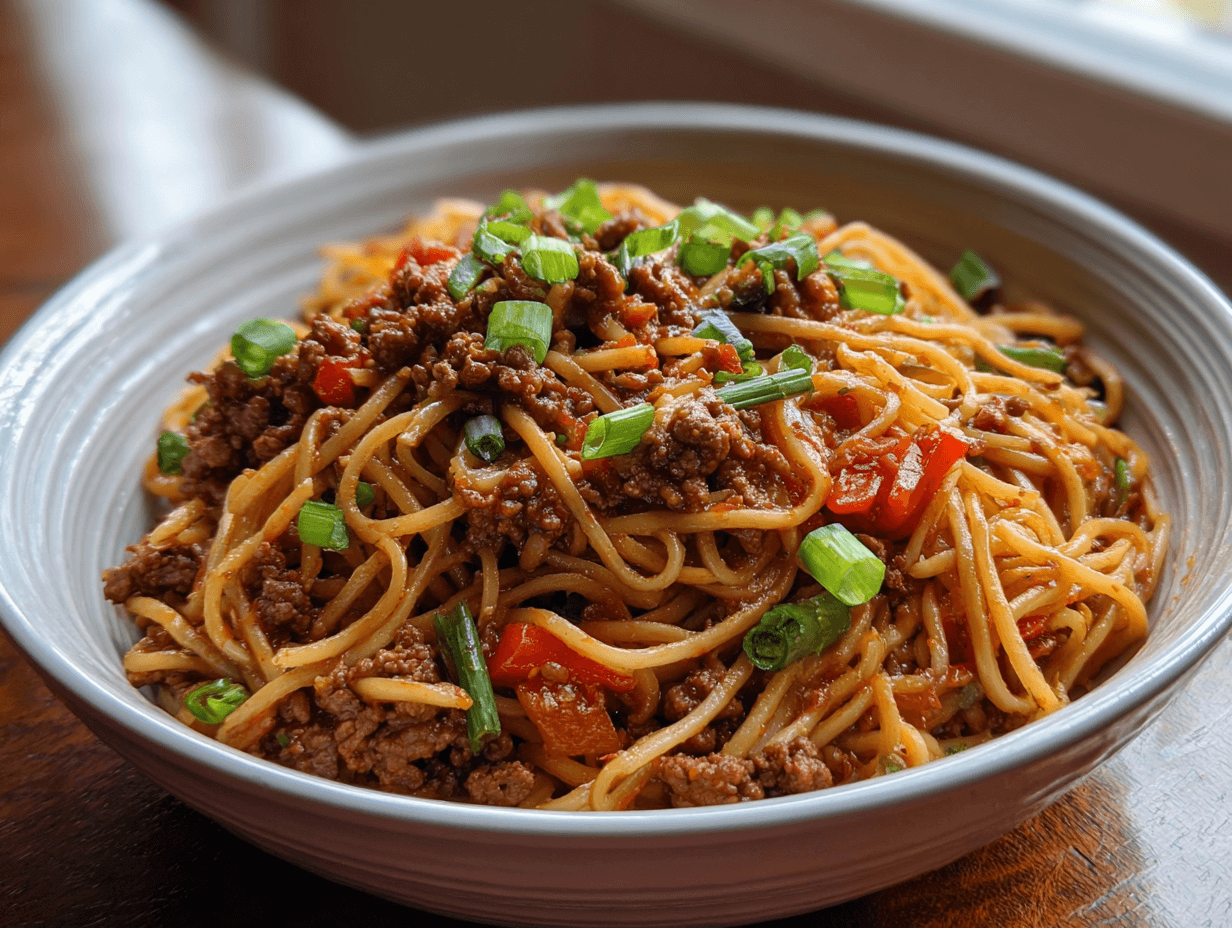
The first time I tasted Mongolian beef at a local Chinese restaurant, I was hooked. However, I quickly realized that ordering takeout several times a week wasn’t doing my wallet any favors. That’s when I decided to recreate this homemade Mongolian ground beef recipe in my own kitchen. To my surprise, not only was it easier than I expected, but it also tasted even better than the restaurant version. Now, this quick dinner has become a weeknight staple in my household, and my family actually prefers it to ordering out.
Why Homemade Mongolian Ground Beef Beats Takeout Every Time
Traditional Mongolian beef uses expensive flank steak sliced paper-thin, which requires both skill and time. In contrast, this homemade Mongolian ground beef version delivers all the same flavors in a fraction of the time and at a fraction of the cost. Moreover, using ground beef means you don’t need to worry about slicing against the grain or marinating for hours.
The beauty of this recipe lies in its simplicity. With just a handful of ingredients and one skillet, you can have dinner on the table in under 20 minutes. Furthermore, the sweet and savory sauce coats every bit of the ground beef perfectly, creating an irresistible glaze that’ll have everyone scraping their plates clean.
What Makes This Mongolian Ground Beef Recipe So Special
Unlike complicated stir-fry recipes that require a dozen ingredients and multiple cooking vessels, this dish keeps things refreshingly simple. The sauce comes together with pantry staples you probably already have on hand. Additionally, the cooking technique ensures tender, flavorful beef with a gorgeous caramelized exterior.
The key to authentic-tasting Mongolian ground beef is achieving the right balance between sweet and savory. Consequently, the combination of brown sugar, soy sauce, and fresh ginger creates that signature restaurant flavor that makes this dish so addictive. Meanwhile, the green onions add a fresh, sharp contrast that cuts through the richness of the sauce.
Essential Ingredients for Mongolian Ground Beef
For the Beef:
- 1½ pounds ground beef (80/20 blend recommended)
- 2 tablespoons vegetable oil
- ½ teaspoon salt
- ¼ teaspoon black pepper
- 1 tablespoon cornstarch (optional, for extra crispy beef)
For the Mongolian Sauce:
- ½ cup low-sodium soy sauce
- ½ cup water
- ⅔ cup light brown sugar, packed
- 3 cloves garlic, minced
- 1 tablespoon fresh ginger, minced
- ¼ teaspoon red pepper flakes (adjust to taste)
- 2 tablespoons cornstarch
- 2 tablespoons cold water
For Serving:
- 4-5 green onions, cut into 2-inch pieces
- Sesame seeds for garnish
- Cooked white rice or lo mein noodles
- Optional: sliced red bell peppers, snap peas
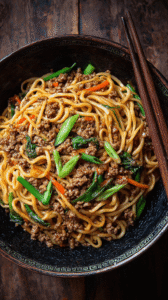
Step-by-Step Instructions for Perfect Mongolian Ground Beef
Preparing Your Ingredients
Before you start cooking, gather all your ingredients and have them measured and ready. This technique, called mise en place, is crucial for stir-fry recipes where everything happens quickly. First, mince your garlic and ginger finely – these aromatics form the flavor foundation of your dish. Then, cut your green onions into 2-inch pieces, separating the white parts from the green tops.
If you’re adding vegetables like bell peppers or snap peas, slice them now and keep them nearby. Having everything prepped means you won’t be frantically chopping while your beef burns in the pan.
Cooking the Ground Beef to Perfection
Heat a large skillet or wok over medium-high heat until it’s very hot. Add the vegetable oil and swirl it around to coat the bottom. Once the oil shimmers, add your ground beef in an even layer. Here’s the crucial part: resist the urge to immediately start breaking it up.
Instead, let the beef sit undisturbed for 2-3 minutes to develop a nice brown crust on the bottom. This caramelization adds incredible depth of flavor that you simply can’t achieve by constantly stirring. After those few minutes, use a wooden spoon or spatula to break the beef into small crumbles.
Season with salt and pepper, then continue cooking until the beef is completely browned and any liquid has evaporated. This should take another 5-7 minutes. For extra crispy edges, you can toss the beef with a tablespoon of cornstarch before adding it to the pan. Once the beef is cooked through, transfer it to a plate and set it aside.
Creating the Signature Mongolian Sauce
In the same skillet, reduce the heat to medium. Add the minced garlic and ginger, stirring constantly for about 30 seconds until fragrant. Be careful not to burn them – garlic can turn bitter quickly. The residual fat from the beef will help them cook without sticking.
Next, pour in the soy sauce, water, and brown sugar. Stir everything together, scraping up any flavorful brown bits stuck to the bottom of the pan. These fond particles add immense depth to your sauce, so don’t skip this step.
Bring the mixture to a gentle simmer, stirring occasionally to help the sugar dissolve completely. Meanwhile, mix the cornstarch with cold water in a small bowl to create a slurry. This thickening agent will transform your thin sauce into a glossy, clingy glaze.
Once the sauce is simmering, add the cornstarch slurry while stirring continuously. Within 1-2 minutes, you’ll notice the sauce thicken dramatically. It should coat the back of a spoon and have a beautiful sheen. At this point, add the red pepper flakes if you want a touch of heat.
Bringing It All Together
Return the cooked ground beef to the skillet, along with the white parts of the green onions. Toss everything together, ensuring every bit of beef gets coated in that luscious sauce. Let it simmer for another 2-3 minutes, allowing the flavors to meld together.
Just before serving, add the green parts of the green onions. These cook much faster than the white parts, so adding them at the end keeps them vibrant and slightly crisp. Give everything one final toss, then remove from heat.
Serving Your Homemade Mongolian Ground Beef
The traditional way to serve Mongolian ground beef is over a generous mound of steamed white rice. The fluffy rice soaks up the sweet and savory sauce beautifully, ensuring not a drop goes to waste. However, this versatile dish works equally well over lo mein noodles, fried rice, or even cauliflower rice for a low-carb option.
For presentation, I like to pile the beef in the center of a serving platter, surrounding it with rice. Then, sprinkle generously with sesame seeds and extra green onion slices for color. If you’ve added vegetables, their bright colors will make the dish even more visually appealing.
This recipe serves 4-6 people depending on portion sizes and what else you’re serving alongside it. In my house, where everyone goes for seconds, I typically count on it feeding four hungry adults.
Storage and Reheating Tips for Mongolian Ground Beef
One of the best things about this recipe is how well it keeps. Store any leftovers in an airtight container in the refrigerator for up to four days. In fact, some people argue it tastes even better the next day after the flavors have had time to develop.
To reheat, simply warm it in a skillet over medium heat with a splash of water to loosen the sauce. Alternatively, microwave individual portions in 30-second intervals, stirring between each, until heated through. Avoid reheating it on high power, as this can make the beef tough and rubbery.
If you want to meal prep this Mongolian ground beef, consider cooking a double batch. Portion it into containers along with rice for grab-and-go lunches throughout the week. You can even freeze it for up to three months, though the texture of the sauce may change slightly upon thawing.
Creative Variations on Traditional Mongolian Ground Beef
Spicy Mongolian Ground Beef: Double the red pepper flakes and add a tablespoon of sriracha to the sauce for serious heat lovers.
Vegetable-Loaded Mongolian Beef: Stir in broccoli florets, snap peas, bell peppers, and carrots for a more complete meal with added nutrition.
Mongolian Beef Lettuce Wraps: Skip the rice and serve the beef in crisp lettuce cups with shredded carrots and extra green onions for a lighter option.
Mongolian Beef Fried Rice: Mix the cooked beef directly into fried rice for an all-in-one meal that’s perfect for using up leftover rice.
Pineapple Mongolian Beef: Add chunks of fresh pineapple in the last few minutes of cooking for a sweet and tangy twist reminiscent of sweet and sour dishes.
Perfect Pairings with Mongolian Ground Beef
This savory dish pairs wonderfully with light, refreshing sides that balance its richness. Start your meal with a simple cucumber salad dressed with rice vinegar and sesame oil. The cool, crisp cucumbers provide a perfect contrast to the warm, saucy beef.
For drinks, consider serving green tea, which cuts through the richness while complementing the Asian flavors. If you prefer something cold, a light lager or Asian beer works beautifully. For non-alcoholic options, try sparkling water with a squeeze of lime or homemade ginger lemonade.
Additional side dishes that work well include steamed dumplings, egg rolls, or a simple stir-fried bok choy. However, the beauty of this recipe is that it’s substantial enough to stand on its own with just rice and maybe a simple vegetable.
Nutritional Information for Mongolian Ground Beef
Per Serving (based on 4 servings, beef only):
- Calories: 445
- Total Fat: 25g
- Saturated Fat: 9g
- Cholesterol: 110mg
- Sodium: 1,240mg
- Total Carbohydrates: 28g
- Dietary Fiber: 0g
- Sugars: 24g
- Protein: 28g
Note that these values don’t include rice or noodles. To reduce sodium, use low-sodium soy sauce or coconut aminos. For a leaner version, opt for 90/10 ground beef, though you may need to add a bit more oil to prevent sticking.
Expert Tips for Restaurant-Quality Results
After making this recipe countless times, I’ve learned several tricks that elevate it from good to exceptional. First, don’t overcrowd your pan when browning the beef. If you pile too much in at once, it will steam rather than brown, resulting in gray, tough meat instead of caramelized, tender crumbles.
Second, the quality of your soy sauce matters more than you might think. I always use low-sodium soy sauce because it gives you better control over the saltiness of the final dish. Additionally, Japanese-style soy sauce tends to have a cleaner, less harsh flavor than some Chinese varieties.
For the brown sugar, make sure it’s packed when you measure it. Loosely measured brown sugar won’t provide enough sweetness to balance the salty soy sauce. Similarly, don’t skimp on the fresh ginger – powdered ginger simply can’t replicate that bright, zingy flavor.
If your sauce seems too thick, thin it with a tablespoon of water at a time until you reach your desired consistency. Conversely, if it’s too thin, mix another teaspoon of cornstarch with cold water and stir it in, simmering for another minute.
Common Mistakes to Avoid with Mongolian Ground Beef
The most common mistake people make is adding the cornstarch slurry when the sauce is too hot. This can cause lumps that are difficult to smooth out. Always stir your slurry right before adding it to ensure the cornstarch hasn’t settled at the bottom of the bowl.
Another pitfall is using ground beef that’s too lean. While 90/10 or 93/7 ground beef might seem healthier, it can result in dry, crumbly meat that doesn’t hold the sauce well. The 80/20 blend has just enough fat to stay moist and flavorful without being greasy.
Lastly, don’t add all the green onions at once. The white parts can handle longer cooking and will soften nicely, but the green tops turn slimy and lose their color if overcooked. Adding them at different times ensures you get the best texture and appearance.
Why This Recipe Will Become Your Go-To Weeknight Dinner
There’s something deeply satisfying about making restaurant-quality Chinese food at home, especially when it’s this easy. This homemade Mongolian ground beef proves that you don’t need expensive ingredients or complicated techniques to create something truly delicious. Instead, simple pantry staples and straightforward cooking methods are all you need.
What I appreciate most about this recipe is its reliability. Whether I’m cooking for picky kids or trying to impress dinner guests, it never fails to please. The sweet and savory sauce appeals to almost everyone, and the quick cooking time means I’m not stuck in the kitchen for hours.
Moreover, this dish scratches that takeout itch without the expense, sodium overload, or wait time. From start to finish, you’re looking at maybe 20 minutes of active cooking time. That’s faster than most delivery services, and the result is fresher, more flavorful, and customized exactly to your preferences.
Whether you’re a busy parent looking for quick dinner solutions, a college student on a budget, or simply someone who loves good food without the fuss, this Mongolian ground beef recipe deserves a permanent spot in your rotation. Once you make it, I guarantee you’ll find yourself craving it again and again. So grab that skillet, brown that beef, and get ready to enjoy takeout flavors from the comfort of your own kitchen.
Print
Homemade Mongolian Ground Beef Recipe: Restaurant-Quality Takeout in Just 20 Minutes
Description
What Makes This Mongolian Ground Beef Recipe So Special
Unlike complicated stir-fry recipes that require a dozen ingredients and multiple cooking vessels, this dish keeps things refreshingly simple. The sauce comes together with pantry staples you probably already have on hand. Additionally, the cooking technique ensures tender, flavorful beef with a gorgeous caramelized exterior.
The key to authentic-tasting Mongolian ground beef is achieving the right balance between sweet and savory. Consequently, the combination of brown sugar, soy sauce, and fresh ginger creates that signature restaurant flavor that makes this dish so addictive. Meanwhile, the green onions add a fresh, sharp contrast that cuts through the richness of the sauce.
Ingredients
Essential Ingredients for Mongolian Ground Beef
For the Beef:
- 1½ pounds ground beef (80/20 blend recommended)
- 2 tablespoons vegetable oil
- ½ teaspoon salt
- ¼ teaspoon black pepper
- 1 tablespoon cornstarch (optional, for extra crispy beef)
For the Mongolian Sauce:
- ½ cup low-sodium soy sauce
- ½ cup water
- ⅔ cup light brown sugar, packed
- 3 cloves garlic, minced
- 1 tablespoon fresh ginger, minced
- ¼ teaspoon red pepper flakes (adjust to taste)
- 2 tablespoons cornstarch
- 2 tablespoons cold water
For Serving:
- 4–5 green onions, cut into 2-inch pieces
- Sesame seeds for garnish
- Cooked white rice or lo mein noodles
- Optional: sliced red bell peppers, snap peas
Instructions
Step-by-Step Instructions for Perfect Mongolian Ground Beef
Preparing Your Ingredients
Before you start cooking, gather all your ingredients and have them measured and ready. This technique, called mise en place, is crucial for stir-fry recipes where everything happens quickly. First, mince your garlic and ginger finely – these aromatics form the flavor foundation of your dish. Then, cut your green onions into 2-inch pieces, separating the white parts from the green tops.
If you’re adding vegetables like bell peppers or snap peas, slice them now and keep them nearby. Having everything prepped means you won’t be frantically chopping while your beef burns in the pan.
Cooking the Ground Beef to Perfection
Heat a large skillet or wok over medium-high heat until it’s very hot. Add the vegetable oil and swirl it around to coat the bottom. Once the oil shimmers, add your ground beef in an even layer. Here’s the crucial part: resist the urge to immediately start breaking it up.
Instead, let the beef sit undisturbed for 2-3 minutes to develop a nice brown crust on the bottom. This caramelization adds incredible depth of flavor that you simply can’t achieve by constantly stirring. After those few minutes, use a wooden spoon or spatula to break the beef into small crumbles.
Season with salt and pepper, then continue cooking until the beef is completely browned and any liquid has evaporated. This should take another 5-7 minutes. For extra crispy edges, you can toss the beef with a tablespoon of cornstarch before adding it to the pan. Once the beef is cooked through, transfer it to a plate and set it aside.
Creating the Signature Mongolian Sauce
In the same skillet, reduce the heat to medium. Add the minced garlic and ginger, stirring constantly for about 30 seconds until fragrant. Be careful not to burn them – garlic can turn bitter quickly. The residual fat from the beef will help them cook without sticking.
Next, pour in the soy sauce, water, and brown sugar. Stir everything together, scraping up any flavorful brown bits stuck to the bottom of the pan. These fond particles add immense depth to your sauce, so don’t skip this step.
Bring the mixture to a gentle simmer, stirring occasionally to help the sugar dissolve completely. Meanwhile, mix the cornstarch with cold water in a small bowl to create a slurry. This thickening agent will transform your thin sauce into a glossy, clingy glaze.
Once the sauce is simmering, add the cornstarch slurry while stirring continuously. Within 1-2 minutes, you’ll notice the sauce thicken dramatically. It should coat the back of a spoon and have a beautiful sheen. At this point, add the red pepper flakes if you want a touch of heat.
Bringing It All Together
Return the cooked ground beef to the skillet, along with the white parts of the green onions. Toss everything together, ensuring every bit of beef gets coated in that luscious sauce. Let it simmer for another 2-3 minutes, allowing the flavors to meld together.
Just before serving, add the green parts of the green onions. These cook much faster than the white parts, so adding them at the end keeps them vibrant and slightly crisp. Give everything one final toss, then remove from heat.
Serving Your Homemade Mongolian Ground Beef
The traditional way to serve Mongolian ground beef is over a generous mound of steamed white rice. The fluffy rice soaks up the sweet and savory sauce beautifully, ensuring not a drop goes to waste. However, this versatile dish works equally well over lo mein noodles, fried rice, or even cauliflower rice for a low-carb option.
For presentation, I like to pile the beef in the center of a serving platter, surrounding it with rice. Then, sprinkle generously with sesame seeds and extra green onion slices for color. If you’ve added vegetables, their bright colors will make the dish even more visually appealing.
This recipe serves 4-6 people depending on portion sizes and what else you’re serving alongside it. In my house, where everyone goes for seconds, I typically count on it feeding four hungry adults.
Storage and Reheating Tips for Mongolian Ground Beef
One of the best things about this recipe is how well it keeps. Store any leftovers in an airtight container in the refrigerator for up to four days. In fact, some people argue it tastes even better the next day after the flavors have had time to develop.
To reheat, simply warm it in a skillet over medium heat with a splash of water to loosen the sauce. Alternatively, microwave individual portions in 30-second intervals, stirring between each, until heated through. Avoid reheating it on high power, as this can make the beef tough and rubbery.
If you want to meal prep this Mongolian ground beef, consider cooking a double batch. Portion it into containers along with rice for grab-and-go lunches throughout the week. You can even freeze it for up to three months, though the texture of the sauce may change slightly upon thawing.
Creative Variations on Traditional Mongolian Ground Beef
Spicy Mongolian Ground Beef: Double the red pepper flakes and add a tablespoon of sriracha to the sauce for serious heat lovers.
Vegetable-Loaded Mongolian Beef: Stir in broccoli florets, snap peas, bell peppers, and carrots for a more complete meal with added nutrition.
Mongolian Beef Lettuce Wraps: Skip the rice and serve the beef in crisp lettuce cups with shredded carrots and extra green onions for a lighter option.
Mongolian Beef Fried Rice: Mix the cooked beef directly into fried rice for an all-in-one meal that’s perfect for using up leftover rice.
Pineapple Mongolian Beef: Add chunks of fresh pineapple in the last few minutes of cooking for a sweet and tangy twist reminiscent of sweet and sour dishes.
Perfect Pairings with Mongolian Ground Beef
This savory dish pairs wonderfully with light, refreshing sides that balance its richness. Start your meal with a simple cucumber salad dressed with rice vinegar and sesame oil. The cool, crisp cucumbers provide a perfect contrast to the warm, saucy beef.
For drinks, consider serving green tea, which cuts through the richness while complementing the Asian flavors. If you prefer something cold, a light lager or Asian beer works beautifully. For non-alcoholic options, try sparkling water with a squeeze of lime or homemade ginger lemonade.
Additional side dishes that work well include steamed dumplings, egg rolls, or a simple stir-fried bok choy. However, the beauty of this recipe is that it’s substantial enough to stand on its own with just rice and maybe a simple vegetable.
Nutritional Information for Mongolian Ground Beef
Per Serving (based on 4 servings, beef only):
Calories: 445
Total Fat: 25g
Saturated Fat: 9g
Cholesterol: 110mg
Sodium: 1,240mg
Total Carbohydrates: 28g
Dietary Fiber: 0g
Sugars: 24g
Protein: 28g
Note that these values don’t include rice or noodles. To reduce sodium, use low-sodium soy sauce or coconut aminos. For a leaner version, opt for 90/10 ground beef, though you may need to add a bit more oil to prevent sticking.