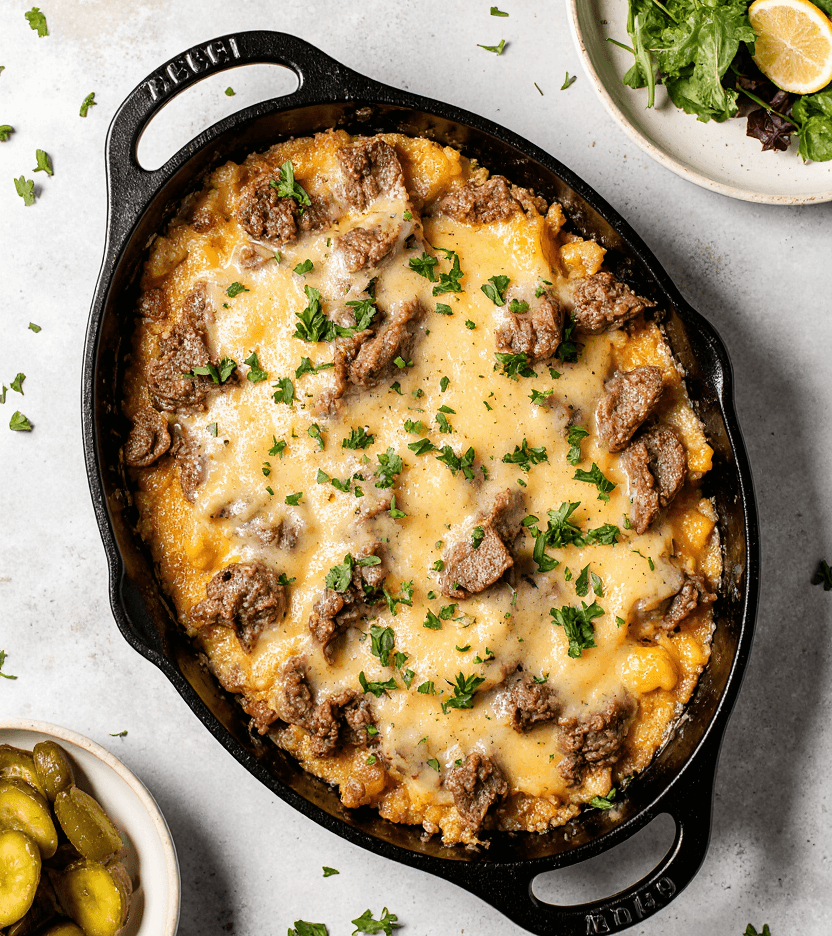
Low Carb Philly Cheesesteak Casserole: The Ultimate Keto Comfort Food
There’s something incredibly satisfying about transforming a beloved sandwich into a hearty, low-carb casserole that doesn’t compromise on flavor. My journey with this Low Carb Philly Cheesesteak Casserole began on a particularly busy weeknight when I was craving that iconic combination of tender beef, melted cheese, and sautéed peppers and onions—but without the carb-heavy hoagie roll. What started as an experiment quickly became one of my family’s most requested dinners, and I’m thrilled to share this game-changing recipe with you.
The beauty of this dish lies in its simplicity and versatility. Whether you’re following a ketogenic diet, watching your carb intake, or simply looking for a delicious one-pan meal, this casserole delivers restaurant-quality flavor with minimal effort. The creamy cheese sauce mingles perfectly with seasoned ground beef and colorful vegetables, creating a harmonious blend that satisfies even the pickiest eaters at your table.
What Makes This Philly Cheesesteak Casserole Special
I’ll be honest—when I first considered making a Philly cheesesteak without the bread, I was skeptical. How could it possibly capture that same indulgent experience? But after one bite of this casserole, all doubts vanished. The secret is in layering flavors and textures to create a complete meal that stands proudly on its own merits.
This low carb Philly cheesesteak casserole is comfort food at its finest. The ground beef (though traditionalists might gasp at the substitution for thinly sliced ribeye) makes this recipe both budget-friendly and weeknight-accessible. Combined with bell peppers, onions, and a luscious cream cheese sauce, every forkful delivers that signature Philly cheesesteak taste you crave.
The dish comes together in about 30 minutes from start to finish, making it perfect for those evenings when you need something quick but don’t want to sacrifice quality. Plus, it’s an excellent meal prep option—the flavors actually deepen and improve after a day or two in the refrigerator.
Understanding the Philly Cheesesteak Casserole Ingredients
Let me walk you through the key components that make this low carb Philly cheesesteak casserole so irresistible. Each ingredient plays a crucial role in building layers of flavor while keeping the carb count remarkably low.
Ground Beef: I typically use 85/15 ground beef, which provides excellent flavor without being overly greasy. The fat content is important here—it keeps the meat juicy and adds richness to the sauce. If you prefer, you can use ground sirloin or even thinly sliced beef strips for a more authentic cheesesteak experience. The key is browning the meat properly to develop that deep, savory flavor that forms the foundation of the dish.
Bell Peppers and Onions: These are non-negotiable in any Philly cheesesteak recipe, low carb or otherwise. I love using a mix of colors—red, yellow, and green bell peppers—not just for visual appeal but because each variety brings its own subtle flavor nuance. The onions, when sautéed until tender and slightly caramelized, add a natural sweetness that balances the richness of the cheese and beef.
Cream Cheese: This is where the magic happens in terms of creating that luxurious, creamy sauce that binds everything together. Full-fat cream cheese melts beautifully and creates a silky texture without adding many carbs. Some recipes call for heavy cream as well, which adds even more richness.
Provolone Cheese: The traditional choice for Philly cheesesteaks, provolone brings that perfect melty, slightly sharp flavor. I like to use shredded provolone for even distribution throughout the casserole, with a few slices on top for that beautiful golden, bubbly finish.
Seasonings: Don’t underestimate the power of proper seasoning. Garlic powder, Italian seasoning, salt, and pepper work together to enhance the natural flavors of the beef and vegetables. Some recipes include Worcestershire sauce, which adds a wonderful umami depth.
How to Make Low Carb Philly Cheesesteak Casserole
The preparation process is straightforward, but I’ll share some tips I’ve learned through trial and error that will help you achieve the best results every single time.
Step 1: Prepare Your Ingredients
Start by preheating your oven to 350°F. This moderate temperature ensures the casserole heats through evenly without drying out the beef or causing the cheese to separate. While the oven preheats, dice your bell peppers and onions into bite-sized pieces. I aim for roughly half-inch pieces—large enough to maintain some texture but small enough to distribute evenly throughout the casserole.
Step 2: Brown the Ground Beef
In a large oven-safe skillet (cast iron works beautifully here), cook the ground beef over medium-high heat. Break it apart with a wooden spoon or spatula, allowing it to develop a nice brown crust in spots. This step is crucial for flavor development—resist the urge to stir too frequently. Season generously with salt, pepper, and garlic powder. Once the beef is cooked through, transfer it to a bowl and set aside. If there’s excess grease, drain most of it but leave about two tablespoons in the pan for sautéing the vegetables.
Step 3: Sauté the Vegetables
In the same skillet, add your diced peppers and onions. The residual flavor from the beef will infuse the vegetables as they cook. Sauté them over medium heat until they’re tender and slightly caramelized, about 8-10 minutes. Season with Italian seasoning for that extra layer of flavor.
Step 4: Create the Cream Cheese Sauce
This is where the dish transforms from good to exceptional. Add the cream cheese to the skillet with the vegetables. Let it soften for a minute, then stir until it melts into a creamy sauce. Some recipes call for adding a splash of beef broth or heavy cream at this point to achieve the perfect consistency. The sauce should coat the back of a spoon but not be too thick.
Step 5: Combine and Assemble
Return the cooked ground beef to the skillet and stir everything together until well combined. The beef should be thoroughly coated in that luscious cream cheese mixture. Taste and adjust seasonings as needed. Top the entire mixture with shredded provolone cheese, making sure to cover the surface evenly.
Step 6: Bake to Perfection
Transfer the skillet to your preheated oven and bake for 20-25 minutes, until the cheese is melted, bubbly, and beginning to turn golden brown around the edges. The casserole should be heated through completely, and you’ll notice the edges bubbling appetizingly.
Step 7: Rest and Serve
Remove the casserole from the oven and let it rest for about 5 minutes before serving. This brief resting period allows the sauce to thicken slightly and makes serving much easier. The flavors also have a chance to meld together during this time.
Variations and Customization Ideas
One of the things I love most about this Philly cheesesteak casserole recipe is its adaptability. Over the months of making this dish, I’ve experimented with numerous variations, each bringing its own unique twist.
Mushroom Lovers’ Version: Add 8 ounces of sliced mushrooms along with the peppers and onions. Mushrooms add an earthy depth and meaty texture that complements the beef beautifully. I prefer baby bella mushrooms, but white button mushrooms work perfectly fine too.
Extra Cheesy Option: If you’re a cheese enthusiast like me, try mixing in some shredded mozzarella or cheddar cheese along with the provolone. The combination creates an even more indulgent, gooey texture.
Spicy Kick: For those who enjoy heat, add some sliced jalapeños to the vegetable mix or stir in a dash of hot sauce with the cream cheese. Red pepper flakes sprinkled on top before baking also work wonderfully.
Cauliflower Rice Base: To make this even more filling and vegetable-forward, layer cooked cauliflower rice on the bottom of your baking dish before adding the beef mixture. This adds volume without significantly increasing the carb count.
Steak Strip Upgrade: While ground beef is economical and delicious, you can elevate this dish by using thinly sliced ribeye or sirloin steak. Cut the meat against the grain into thin strips and cook quickly over high heat before proceeding with the recipe.
Nutritional Benefits of This Low Carb Casserole
Let’s talk nutrition, because this dish is more than just delicious—it’s also surprisingly wholesome, especially when compared to a traditional Philly cheesesteak sandwich.
A typical serving of this low carb Philly cheesesteak casserole contains approximately 5-6 net carbs, compared to the 40-50 grams you’d get from a sandwich on a hoagie roll. That’s a massive difference if you’re following a ketogenic diet or simply trying to moderate your carbohydrate intake.
The protein content is impressive too, with each serving providing around 35-40 grams of high-quality protein. This makes it an excellent choice for those focused on muscle maintenance or following a high-protein diet. The combination of beef and cheese delivers all nine essential amino acids your body needs.
The bell peppers contribute important vitamins and minerals, particularly vitamin C and vitamin A. Red bell peppers, in particular, are one of the best sources of vitamin C you can eat. The onions provide additional antioxidants and have anti-inflammatory properties.
While this is definitely not a low-fat dish (and it’s not meant to be), the fats present are primarily from the beef and cheese, which provide satiety and help your body absorb the fat-soluble vitamins from the vegetables. If you’re concerned about fat content, you could use leaner ground beef and reduce the cheese slightly, though this will impact the overall richness and texture.
Perfect Pairings and Serving Suggestions
While this Philly cheesesteak casserole is substantial enough to serve as a complete meal on its own, I love pairing it with complementary sides that round out the plate without adding unnecessary carbs.
A crisp green salad with a tangy vinaigrette provides a refreshing contrast to the richness of the casserole. I particularly enjoy a simple arugula salad with lemon juice and olive oil, or a classic Caesar salad with homemade dressing.
Roasted vegetables make an excellent accompaniment. Try roasted asparagus with garlic, Brussels sprouts with bacon, or a medley of zucchini and yellow squash. These options add color, nutrition, and textural variety to your plate.
For those not strictly watching carbs, a small portion of garlic bread or toasted low-carb bread makes a delightful addition. You can use it to scoop up every last bit of that creamy sauce.
Cauliflower mash is another fantastic pairing that keeps the meal low-carb while adding comfort food appeal. Season it with butter, garlic, and cream cheese for a decadent side that complements the casserole perfectly.
As for beverages, I find that a robust red wine like Cabernet Sauvignon or Merlot pairs beautifully with the rich, beefy flavors. If you prefer beer, opt for a light lager or pilsner that won’t overpower the dish.
Storage and Meal Prep Tips
This casserole is a meal prep champion, making it perfect for busy weeks when you want homemade meals without daily cooking marathons.
The cooked casserole stores beautifully in the refrigerator for up to 4 days. I recommend portioning it into individual airtight containers immediately after it cools. This makes grabbing lunch or dinner incredibly convenient throughout the week. The flavors actually intensify after a day or two, making leftovers even more delicious than the freshly made version.
For reheating, I prefer using the oven or toaster oven rather than the microwave when possible. Cover the portion with foil and heat at 350°F for about 15 minutes, or until heated through. This method helps maintain the texture better than microwaving, which can sometimes make the cheese a bit rubbery. However, if you’re in a hurry, the microwave works fine—just heat in 1-minute intervals, stirring between each, until hot throughout.
This casserole also freezes exceptionally well. To freeze, let the casserole cool completely, then wrap tightly in plastic wrap followed by aluminum foil, or transfer to a freezer-safe container. It will keep for up to 3 months in the freezer. When you’re ready to enjoy it, thaw overnight in the refrigerator and reheat as directed above.
For meal prep efficiency, you can prepare components ahead of time. Brown the beef and sauté the vegetables up to 2 days in advance, storing them separately in the refrigerator. When you’re ready to make the casserole, simply combine everything, add the cream cheese sauce and cheese topping, and bake.
Troubleshooting Common Issues
Over the years of making and perfecting this recipe, I’ve encountered and solved various challenges. Here are some common issues and how to address them.
Watery Casserole: If your casserole seems too watery after baking, you may have added too much cream or the vegetables released excess moisture. To prevent this, make sure to cook the vegetables long enough to evaporate some of their liquid before adding the cream cheese. If it’s already too watery, remove the casserole from the oven and simmer the mixture on the stovetop for a few minutes to reduce the liquid before returning it to the oven.
Dry Beef: Overcooked ground beef can become dry and crumbly. To avoid this, don’t drain all the fat from the beef—leave about 2 tablespoons. Also, make sure not to overcook the casserole in the oven. The goal is to melt the cheese and heat everything through, not to continue cooking the beef.
Cheese Not Melting Properly: If the cheese on top isn’t melting evenly, your oven might not be hot enough, or the cheese might be too cold. Let the cheese come to room temperature before adding it to the casserole, and consider increasing the oven temperature to 375°F for the last 5 minutes of baking, or running it under the broiler for 1-2 minutes (watching carefully to prevent burning).
Bland Flavor: Proper seasoning is crucial. Don’t be shy with the salt, pepper, and garlic powder. Taste your mixture before adding the cheese topping and adjust seasonings as needed. Adding a splash of Worcestershire sauce or a pinch of red pepper flakes can also boost flavor significantly.
Making It Your Own
The true beauty of this low carb Philly cheesesteak casserole lies in its versatility. While I’ve provided what I consider the perfect base recipe, I encourage you to make it your own based on your preferences and what you have available.
Some readers have told me they add a layer of eggs (whisked with a bit of cream) over the top before baking, creating a frittata-like texture that’s particularly satisfying for breakfast or brunch. Others have experimented with different cheese combinations—adding sharp cheddar for tang, or mixing in some cream cheese for extra richness.
The vegetable component is also endlessly customizable. I’ve successfully made versions with zucchini, spinach, and even broccoli. The key is to ensure any vegetables you add are cooked properly and don’t release too much water into the casserole.
For a smokier flavor profile, try adding a teaspoon of smoked paprika to the beef as it cooks, or include some crispy bacon crumbled into the mixture. The smokiness complements the other flavors beautifully and adds another layer of complexity.
My Final Thoughts and Cooking Tip
After making this Low Carb Philly Cheesesteak Casserole countless times for family dinners, potlucks, and meal prep sessions, it’s become one of those recipes I can practically make with my eyes closed. Yet it never fails to impress, whether I’m serving it to longtime keto enthusiasts or to guests who are simply looking for a delicious, satisfying dinner.
My number one tip for success with this recipe? Don’t skip the step of properly browning your ground beef. Those caramelized bits that form on the bottom of the pan (the fond) contain concentrated flavor that gets incorporated into the sauce when you add the cream cheese. It’s the difference between a good casserole and a great one.
Also, resist the temptation to add too much liquid. The vegetables and beef will release moisture as they cook, and the cream cheese will create a sauce. Starting with less liquid is always better—you can add more if needed, but you can’t take it away.
Finally, don’t be afraid to taste and adjust as you go. Cooking is as much about intuition as it is about following recipes. If something feels off, trust your palate and make adjustments. Maybe your bell peppers need an extra minute to soften, or perhaps you prefer more garlic than the recipe calls for. Making these small adjustments based on your preferences is what transforms a good meal into YOUR perfect meal.
This casserole has brought so much joy to my dinner table, and I’m confident it will do the same for yours. Whether you’re committed to low-carb eating or simply looking for a delicious, comforting meal that happens to be healthier than takeout, this Philly cheesesteak casserole delivers on every front.
Ingredients
For the Casserole:
- 2 pounds ground beef (85/15 recommended)
- 2 tablespoons olive oil or avocado oil
- 1 large onion, diced
- 2 bell peppers (mix of colors), diced
- 8 ounces mushrooms, sliced (optional)
- 4 cloves garlic, minced
- 8 ounces cream cheese, softened
- 1/4 cup beef broth or heavy cream
- 2 tablespoons Worcestershire sauce
- 1 teaspoon Italian seasoning
- 1 teaspoon garlic powder
- Salt and black pepper to taste
- 2 cups shredded provolone cheese (or 12 slices)
- Fresh parsley for garnish (optional)
Instructions
- Preheat your oven to 350°F (175°C).
- Heat a large oven-safe skillet over medium-high heat. Add the ground beef and cook, breaking it apart with a wooden spoon, until browned and cooked through (8-10 minutes). Season with salt, pepper, and garlic powder. Remove beef from skillet and set aside, leaving about 2 tablespoons of fat in the pan.
- In the same skillet, add the diced onion and bell peppers (and mushrooms if using). Sauté over medium heat until the vegetables are tender and beginning to caramelize, about 8-10 minutes. Add the minced garlic and Italian seasoning, cooking for another 30 seconds until fragrant.
- Reduce heat to low and add the cream cheese, beef broth, and Worcestershire sauce to the vegetables. Stir continuously until the cream cheese is completely melted and a smooth sauce forms.
- Return the cooked ground beef to the skillet and mix everything together until well combined. Taste and adjust seasonings as needed.
- Spread the mixture evenly in the skillet and top with shredded provolone cheese, ensuring even coverage.
- Transfer the skillet to the preheated oven and bake for 20-25 minutes, until the cheese is melted, bubbly, and beginning to brown around the edges.
- Remove from oven and let rest for 5 minutes before serving. Garnish with fresh parsley if desired.
Nutritional Information (Per Serving – Recipe serves 6)
- Calories: 485
- Total Fat: 36g
- Saturated Fat: 17g
- Cholesterol: 145mg
- Sodium: 680mg
- Total Carbohydrates: 8g
- Dietary Fiber: 2g
- Net Carbohydrates: 6g
- Sugars: 4g
- Protein: 38g
- Vitamin A: 1,400 IU
- Vitamin C: 48mg
- Calcium: 380mg
- Iron: 3.5mg
FAQs
Q: Can I use a different type of meat? A: Absolutely! Ground turkey or chicken work well for a leaner option, though you may need to add a bit more fat to prevent dryness. You can also use thinly sliced steak (ribeye or sirloin) for a more traditional Philly cheesesteak experience.
Q: Is this recipe truly keto-friendly? A: Yes! With only 6 net carbs per serving, this casserole fits well within most ketogenic diet guidelines. Just be mindful of your other meals throughout the day to stay within your personal carb limits.
Q: Can I make this in a regular baking dish instead of a skillet? A: Definitely. Cook the beef and vegetables in a regular skillet, then transfer everything to a greased 9×13-inch baking dish before adding the cheese and baking. The cooking time should remain the same.
Q: What can I substitute for cream cheese? A: Greek cream cheese or Neufchâtel cheese work similarly. For a dairy-free version, you could try cashew cream, though the flavor and texture will be different.
Q: How do I prevent the vegetables from making the casserole watery? A: Make sure to cook the vegetables long enough to evaporate excess moisture. If you’re adding mushrooms, cook them separately first to release their water before adding them to the main mixture.
Q: Can I make this ahead of time? A: Yes! Prepare the entire casserole through step 5, cover tightly, and refrigerate for up to 24 hours. When ready to bake, let it come to room temperature for 20-30 minutes, add the cheese topping, and bake as directed, possibly adding 5-10 minutes to the cooking time.
Q: What’s the best way to reheat leftovers? A: For best results, reheat in a 350°F oven covered with foil for about 15 minutes. Microwave reheating works in a pinch—heat on medium power in 1-minute intervals, stirring between each.
Q: Can I freeze this casserole? A: Yes! Cool completely, wrap tightly in plastic wrap and foil, and freeze for up to 3 months. Thaw overnight in the refrigerator before reheating.
Conclusion
This Low Carb Philly Cheesesteak Casserole has transformed the way I think about comfort food. It proves that you don’t need bread to enjoy the incredible flavors of a classic Philly cheesesteak, and it’s become a staple in my weekly meal rotation. The combination of perfectly seasoned beef, tender vegetables, creamy cheese sauce, and melted provolone creates a dish that’s both satisfying and surprisingly nutritious.
What I love most about this recipe is its flexibility—you can make it your own by adjusting vegetables, trying different cheeses, or adding your favorite seasonings. Whether you’re committed to a low-carb lifestyle or simply looking for a delicious, hearty dinner that happens to be healthier than takeout, this casserole delivers every single time.
The ease of preparation combined with the impressive results makes this recipe perfect for busy weeknights, meal prep sessions, or even entertaining guests. And the fact that leftovers taste even better the next day? That’s just the cherry on top of an already perfect dish.