After years of experimenting with low-carb eating, I’ve realized that success comes down to having a repertoire of reliable dinner recipes that don’t feel like deprivation. Learning how to make a low-carb chicken dinner changed everything for me. Instead of sadly eating plain grilled chicken breast with steamed vegetables, I discovered techniques that create restaurant-quality meals bursting with flavor. This particular recipe has become my weeknight savior—quick enough for busy evenings but impressive enough for company.
Why Low-Carb Chicken Dinners Work for Everyone
Whether you’re following a keto diet, managing blood sugar, or simply trying to eat more protein and vegetables, mastering how to make a low-carb chicken dinner opens up a world of delicious possibilities. Chicken serves as the perfect protein foundation—it’s affordable, widely available, and incredibly versatile.
Furthermore, low-carb doesn’t mean low-flavor. In fact, removing starchy fillers forces you to focus on quality ingredients and proper cooking techniques. The result is food that tastes better and keeps you satisfied longer. I’ve served this chicken dinner to guests who don’t follow any particular diet, and they’re always surprised to learn it’s low-carb.
Understanding Low-Carb Cooking Principles
Before diving into the recipe, let’s discuss what makes a meal truly low-carb. Simply put, you’re minimizing starches and sugars while emphasizing proteins, healthy fats, and non-starchy vegetables. This doesn’t mean eliminating vegetables—quite the opposite. Leafy greens, cruciferous vegetables, and other low-carb options provide fiber, nutrients, and volume to your meals.
Additionally, low-carb cooking often involves slightly higher fat content to provide satiety. Healthy fats from olive oil, butter, or avocado oil help you feel full and satisfied after eating. They also carry flavors beautifully, making your food taste rich and delicious.
Essential Ingredients for Low-Carb Chicken Dinner
For the Chicken:
- 4 boneless, skinless chicken breasts (about 6 oz each)
- 2 tablespoons olive oil
- 2 tablespoons unsalted butter
- 4 cloves garlic, minced
- 1 tablespoon fresh thyme leaves
- 1 tablespoon fresh rosemary, chopped
- Salt and black pepper to taste
- ½ cup chicken broth
- 2 tablespoons lemon juice
For the Vegetables:
- 2 medium zucchini, sliced
- 1 cup broccoli florets
- 2 tablespoons olive oil
- Salt and pepper to taste
- Optional: lemon zest for serving

Step-by-Step Instructions for Perfect Low-Carb Chicken
Preparing Your Chicken Breasts
First, inspect your chicken breasts. If they’re uneven thickness, pound them gently with a meat mallet until they’re uniform, about ¾ inch thick throughout. This ensures even cooking—no more dried-out edges and raw centers.
Next, pat the chicken completely dry with paper towels. This crucial step allows for proper browning. Season both sides generously with salt and pepper. Don’t be shy here; proper seasoning makes the difference between bland and delicious.
Achieving Perfect Browning
Heat olive oil in a large skillet over medium-high heat until it shimmers. Carefully lay the chicken breasts in the pan, making sure they’re not touching. Resist the urge to move them around—let them cook undisturbed for 5-6 minutes.
Meanwhile, prepare yourself for the wonderful aroma that will soon fill your kitchen. When the bottom develops a golden-brown crust, flip the chicken using tongs. Add butter, minced garlic, thyme, and rosemary to the pan.
Here’s where understanding how to make a low-carb chicken dinner really shines. As the butter melts, tilt the pan slightly and use a spoon to baste the chicken with the herb-infused butter. This technique, borrowed from French cooking, infuses incredible flavor into every bite.
Creating the Pan Sauce
Once the chicken reaches an internal temperature of 165°F (check with an instant-read thermometer), transfer it to a plate and tent loosely with foil. Don’t skip this resting period—it allows the juices to redistribute throughout the meat.
Pour chicken broth and lemon juice into the still-hot pan, scraping up all those flavorful browned bits stuck to the bottom. This process, called deglazing, creates the foundation for your pan sauce. Let the liquid simmer and reduce by half, concentrating the flavors. The sauce should coat the back of a spoon when ready.
Preparing Your Low-Carb Vegetables
While the chicken rests, quickly sauté your vegetables. In a separate pan (or use the same pan after removing the chicken), heat olive oil over medium-high heat. Add zucchini and broccoli, seasoning with salt and pepper.
Cook the vegetables for 5-7 minutes, stirring occasionally, until they’re tender-crisp. They should have some color from caramelization but retain a slight crunch. Overcooked vegetables turn mushy and lose both nutrients and appeal.
Plating Your Low-Carb Chicken Dinner
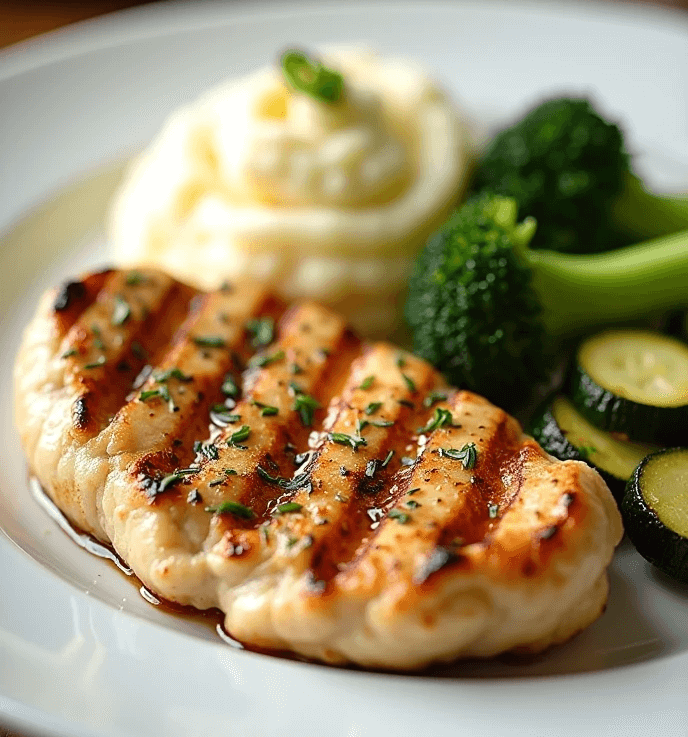
Presentation elevates even simple weeknight meals. Looking at the image, notice how the beautifully browned chicken breast takes center stage, its surface glistening from the herb butter. The golden-brown stripes visible on top come from the caramelization process and indicate perfect technique.
Place a chicken breast on each plate. Arrange the sautéed vegetables beside it—the bright green of the broccoli and zucchini provides beautiful color contrast. Spoon the reduced pan sauce over the chicken, letting some pool around the base. Garnish with fresh herb sprigs if desired, and finish with a sprinkle of lemon zest.
Advanced Techniques for Low-Carb Chicken Perfection
Once you’ve mastered the basic technique of how to make a low-carb chicken dinner, these advanced tips will take your cooking to the next level. First, consider brining your chicken breasts. A quick 30-minute brine in salt water makes them incredibly juicy and flavorful.
Second, experiment with different herb combinations. While thyme and rosemary are classic, try tarragon and chives, or oregano and basil for Mediterranean flair.
Third, add heavy cream to the pan sauce for extra richness. Just two tablespoons creates a luxurious, restaurant-style sauce that’s still low-carb friendly.
Nutritional Information per Serving
- Calories: 385
- Total Fat: 22g
- Saturated Fat: 7g
- Cholesterol: 135mg
- Sodium: 340mg
- Total Carbohydrates: 6g
- Dietary Fiber: 2g
- Net Carbs: 4g
- Sugars: 3g
- Protein: 42g
Wine Pairing for Your Low-Carb Chicken Dinner
A well-chosen wine elevates any meal. For this herb-forward chicken, I recommend a crisp white wine. Sauvignon Blanc offers bright acidity that complements the lemon and herbs beautifully. Its citrus notes mirror the flavors in the dish without competing.
Alternatively, try an unoaked Chardonnay. The wine’s subtle fruit flavors and clean finish work wonderfully with the butter-based sauce. For red wine lovers, a light Pinot Noir provides enough body to stand up to the chicken without overwhelming it.
If you prefer non-alcoholic options, sparkling water with lemon makes a refreshing accompaniment. The effervescence cleanses your palate between bites, enhancing your enjoyment of each mouthful.
Meal Prep and Storage Tips
Understanding how to make a low-carb chicken dinner becomes even more valuable when you realize these meals prep beautifully. Cook a double batch on Sunday, and you’ll have ready-made lunches or quick dinners throughout the week.
Store cooked chicken and vegetables in separate airtight containers in the refrigerator for up to four days. Keep the pan sauce separate as well. When ready to eat, reheat gently—microwaving on 50% power prevents the chicken from becoming rubbery.
You can also freeze cooked chicken for up to three months. Let it thaw in the refrigerator overnight, then reheat gently with a splash of chicken broth to keep it moist.
Common Mistakes to Avoid
Through trial and error, I’ve learned what not to do when making low-carb chicken dinners. First, don’t use chicken breasts straight from the refrigerator. Let them sit at room temperature for 20 minutes before cooking. This ensures even cooking throughout.
Second, avoid overcrowding your pan. If chicken pieces touch, they’ll steam instead of sear. Work in batches if necessary—the golden crust is worth the extra time.
Third, don’t skip the thermometer. Guessing doneness by timing alone results in either undercooked or overcooked chicken. An instant-read thermometer eliminates all uncertainty.
Finally, resist cutting into the chicken immediately after cooking. Those precious juices need time to redistribute. Cutting too soon releases them onto your cutting board instead of keeping them in the meat where they belong.
Variations on the Basic Recipe
Once you know how to make a low-carb chicken dinner using this method, countless variations become possible. Try these flavor combinations:
Italian Style: Replace thyme and rosemary with basil and oregano. Add sun-dried tomatoes and artichoke hearts to the pan sauce.
Asian-Inspired: Use ginger and garlic with coconut aminos instead of broth. Serve over cauliflower rice with bok choy.
Mexican Flavored: Season with cumin and chili powder. Top with avocado slices and serve with cauliflower rice and black soybeans.
Mediterranean Version: Add kalamata olives, capers, and cherry tomatoes to the pan sauce. Serve with sautéed spinach.
Side Dish Suggestions
While zucchini and broccoli are excellent choices, many other low-carb vegetables work beautifully. Asparagus roasted with olive oil and garlic provides an elegant accompaniment. Sautéed mushrooms add earthy flavor and meaty texture.
Cauliflower transforms into countless side dishes—mashed cauliflower mimics mashed potatoes, roasted cauliflower develops sweet, nutty flavors, and cauliflower rice provides agrain-free base for the pan sauce.
Green beans almandine offers a classic French touch. The crunch of toasted almonds contrasts nicely with tender chicken.
Why This Low-Carb Chicken Dinner Works
This recipe succeeds because it doesn’t feel like diet food. The combination of proper browning, aromatic herbs, rich butter, and flavorful pan sauce creates a satisfying meal that happens to be low in carbohydrates. Nobody eating this dinner feels deprived or punished.
Moreover, the technique is transferable. Master how to make a low-carb chicken dinner using this method, and you can apply the same principles to pork chops, fish fillets, or even thick-cut vegetables like portobello mushrooms.
The image perfectly captures the end result: that gorgeously browned chicken breast with its appetizing color and glistening herb-butter coating, accompanied by vibrant green vegetables. The cross-hatch marks on the chicken show proper searing technique, and everything is plated in a way that makes you want to pick up your fork immediately.
Learning how to make a low-carb chicken dinner has genuinely transformed my relationship with healthy eating. It’s not about restriction—it’s about discovering techniques that make whole foods taste incredible.
How to Make a Low-Carb Chicken Dinner
Description
Understanding Low-Carb Cooking Principles
Before diving into the recipe, let’s discuss what makes a meal truly low-carb. Simply put, you’re minimizing starches and sugars while emphasizing proteins, healthy fats, and non-starchy vegetables. This doesn’t mean eliminating vegetables—quite the opposite. Leafy greens, cruciferous vegetables, and other low-carb options provide fiber, nutrients, and volume to your meals.
Additionally, low-carb cooking often involves slightly higher fat content to provide satiety. Healthy fats from olive oil, butter, or avocado oil help you feel full and satisfied after eating. They also carry flavors beautifully, making your food taste rich and delicious.
Ingredients
Essential Ingredients for Low-Carb Chicken Dinner
For the Chicken:
- 4 boneless, skinless chicken breasts (about 6 oz each)
- 2 tablespoons olive oil
- 2 tablespoons unsalted butter
- 4 cloves garlic, minced
- 1 tablespoon fresh thyme leaves
- 1 tablespoon fresh rosemary, chopped
- Salt and black pepper to taste
- ½ cup chicken broth
- 2 tablespoons lemon juice
For the Vegetables:
- 2 medium zucchini, sliced
- 1 cup broccoli florets
- 2 tablespoons olive oil
- Salt and pepper to taste
- Optional: lemon zest for serving
Instructions
Step-by-Step Instructions for Perfect Low-Carb Chicken
Preparing Your Chicken Breasts
First, inspect your chicken breasts. If they’re uneven thickness, pound them gently with a meat mallet until they’re uniform, about ¾ inch thick throughout. This ensures even cooking—no more dried-out edges and raw centers.
Next, pat the chicken completely dry with paper towels. This crucial step allows for proper browning. Season both sides generously with salt and pepper. Don’t be shy here; proper seasoning makes the difference between bland and delicious.
Achieving Perfect Browning
Heat olive oil in a large skillet over medium-high heat until it shimmers. Carefully lay the chicken breasts in the pan, making sure they’re not touching. Resist the urge to move them around—let them cook undisturbed for 5-6 minutes.
Meanwhile, prepare yourself for the wonderful aroma that will soon fill your kitchen. When the bottom develops a golden-brown crust, flip the chicken using tongs. Add butter, minced garlic, thyme, and rosemary to the pan.
Here’s where understanding how to make a low-carb chicken dinner really shines. As the butter melts, tilt the pan slightly and use a spoon to baste the chicken with the herb-infused butter. This technique, borrowed from French cooking, infuses incredible flavor into every bite.
Creating the Pan Sauce
Once the chicken reaches an internal temperature of 165°F (check with an instant-read thermometer), transfer it to a plate and tent loosely with foil. Don’t skip this resting period—it allows the juices to redistribute throughout the meat.
Pour chicken broth and lemon juice into the still-hot pan, scraping up all those flavorful browned bits stuck to the bottom. This process, called deglazing, creates the foundation for your pan sauce. Let the liquid simmer and reduce by half, concentrating the flavors. The sauce should coat the back of a spoon when ready.
Preparing Your Low-Carb Vegetables
While the chicken rests, quickly sauté your vegetables. In a separate pan (or use the same pan after removing the chicken), heat olive oil over medium-high heat. Add zucchini and broccoli, seasoning with salt and pepper.
Cook the vegetables for 5-7 minutes, stirring occasionally, until they’re tender-crisp. They should have some color from caramelization but retain a slight crunch. Overcooked vegetables turn mushy and lose both nutrients and appeal.
Plating Your Low-Carb Chicken Dinner
Presentation elevates even simple weeknight meals. Looking at the image, notice how the beautifully browned chicken breast takes center stage, its surface glistening from the herb butter. The golden-brown stripes visible on top come from the caramelization process and indicate perfect technique.
Place a chicken breast on each plate. Arrange the sautéed vegetables beside it—the bright green of the broccoli and zucchini provides beautiful color contrast. Spoon the reduced pan sauce over the chicken, letting some pool around the base. Garnish with fresh herb sprigs if desired, and finish with a sprinkle of lemon zest.
Advanced Techniques for Low-Carb Chicken Perfection
Once you’ve mastered the basic technique of how to make a low-carb chicken dinner, these advanced tips will take your cooking to the next level. First, consider brining your chicken breasts. A quick 30-minute brine in salt water makes them incredibly juicy and flavorful.
Second, experiment with different herb combinations. While thyme and rosemary are classic, try tarragon and chives, or oregano and basil for Mediterranean flair.
Third, add heavy cream to the pan sauce for extra richness. Just two tablespoons creates a luxurious, restaurant-style sauce that’s still low-carb friendly.
Nutritional Information per Serving
- Calories: 385
- Total Fat: 22g
- Saturated Fat: 7g
- Cholesterol: 135mg
- Sodium: 340mg
- Total Carbohydrates: 6g
- Dietary Fiber: 2g
- Net Carbs: 4g
- Sugars: 3g
- Protein: 42g