Tired of the nightly dinner dilemma? What if you could create a delicious, satisfying meal that dirties only one pot, takes 30 minutes, and leaves you with energy to enjoy your evening? Welcome to the world of one-pan pasta dinners — weeknight heroes.
This isn’t just a recipe; it’s a complete mealtime strategy for busy people who refuse to sacrifice flavor for convenience. By mastering this method, you reclaim your time, minimize cleanup, and serve wholesome food that feels like a treat.
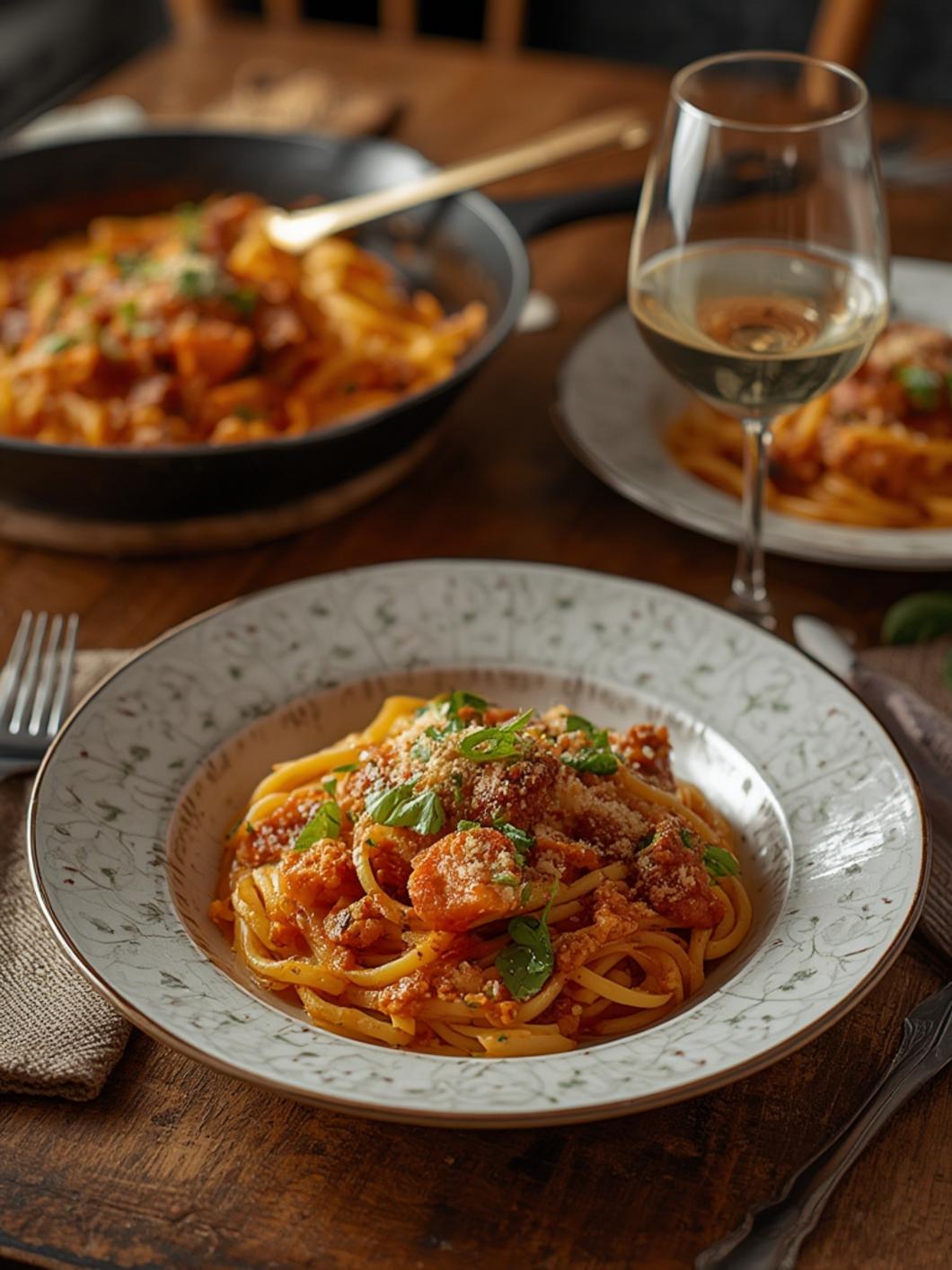
The magic lies in the technique: cooking pasta directly in a flavorful broth with aromatics and protein, allowing starches to release and create a creamy sauce — no heavy cream needed. It’s a game-changer for anyone seeking a reliable, easy dinner. A stellar example is a killer one-pan weeknight pasta, which embodies everything we crave on a busy Tuesday.
Materials & Supplies
To execute a flawless one-pan pasta, having the right tools and ingredients ready is half the battle. Here’s your comprehensive checklist.
Ingredients (Serves 4):
Pasta: 12 oz short pasta (penne, fusilli, rigatoni, or shells work best). Substitution:* Gluten-free or whole-wheat pasta, adjusting liquid by ¼ cup if needed.
Protein: 1 lb Italian sausage (mild or hot), diced, OR 1 lb boneless, skinless chicken thighs, cubed. Vegetarian Option:* 1 (15-oz) can cannellini beans, drained and rinsed, added in the last 5 minutes.
- Aromatics: 1 large yellow onion, diced; 4 cloves garlic, minced.
- Vegetables: 1 pint cherry or grape tomatoes; 1 cup chopped kale or spinach (stems removed).
- Liquid: 3 cups low-sodium chicken or vegetable broth.
- Acid & Fat: ½ cup dry white wine (or additional broth); 2 tbsp olive oil.
- Seasonings: 1 tsp dried oregano, ½ tsp red pepper flakes (optional), salt, and freshly cracked black pepper.
- Finisher: ½ cup grated Parmesan or Pecorino Romano cheese; ¼ cup fresh basil, chopped.
Essential Cookware & Utensils:
- The Hero Vessel: A large, heavy-bottomed skillet or Dutch oven (11-12 inches in diameter). It must have high sides to contain the liquid and a tight-fitting lid. This is non-negotiable for perfect evaporation control.
- Utensils: A sharp chef’s knife, cutting board, wooden spoon or silicone spatula for stirring, measuring cups and spoons, and a grater for cheese.
- Optional but Helpful: Tongs for handling pasta, a microplane for garlic, and a serving platter.
Timing / Cooking Schedule
Understanding the workflow transforms a 30-minute meal into a relaxed experience.
- Preparation Time (Active): 10 minutes. This is your “mis en place”—dicing onion and sausage, mincing garlic, measuring liquids.
- Cook Time: 20 minutes. This is hands-off simmering once the ingredients are combined.
- Total Time: 30 minutes. From fridge to table in less time than it takes to order, wait for, and receive delivery. It’s markedly faster than a traditional stovetop pasta dish (which requires boiling water separately and making a sauce in another pan) and easier than a sheet-pan meal that requires oven preheating and roasting.
Pro-Tip: While the pasta cooks, set your table, chop a quick side salad, or pour a glass of wine. The only active duty you have during cook time is an occasional stir.
Step-by-Step Instructions
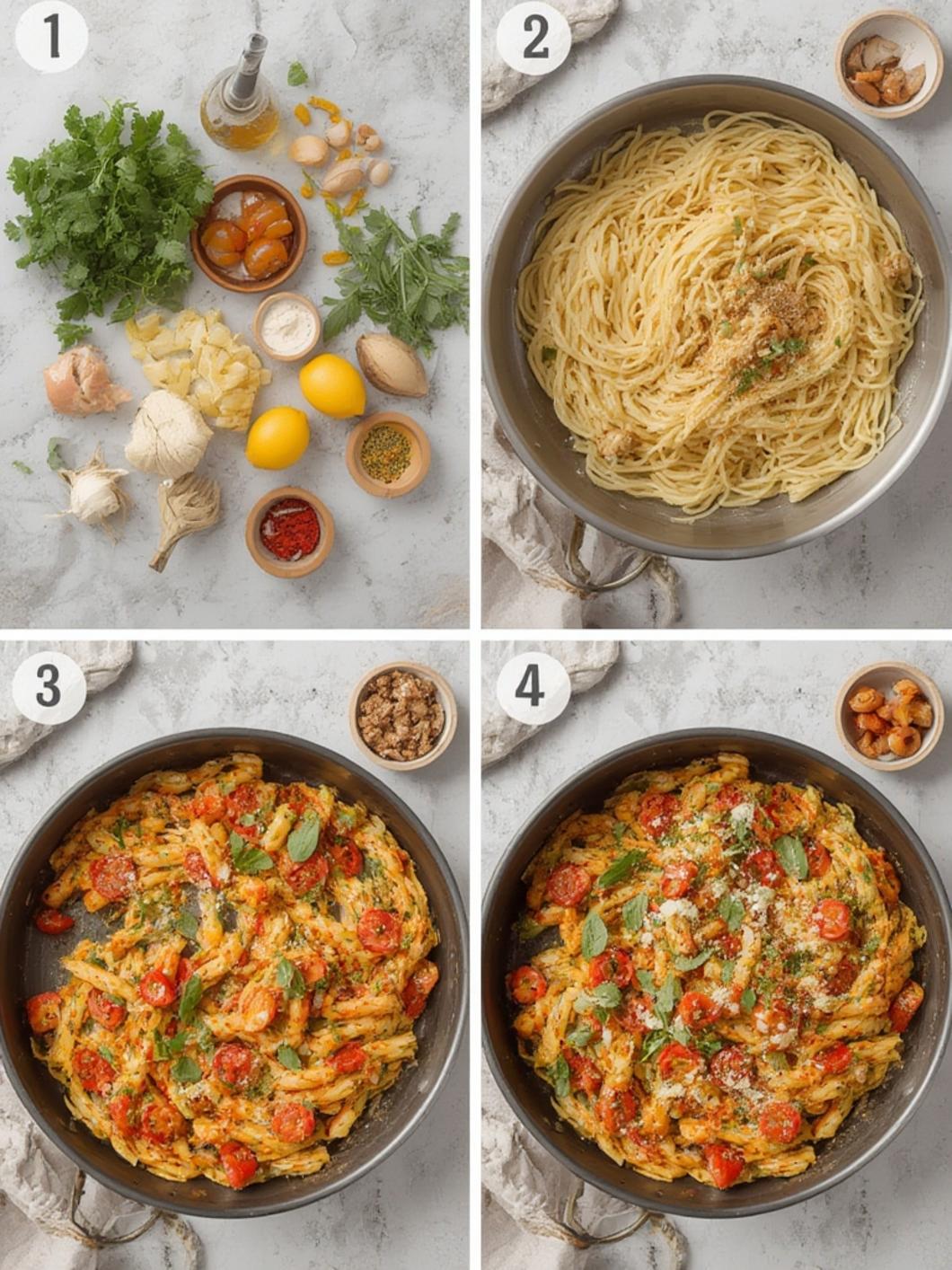
1. Build the Flavor Base: Heat olive oil in your large skillet over medium-high heat. Add diced sausage (or chicken) and cook until browned, about 5 minutes. Using a slotted spoon, remove the meat, leaving the drippings in the pan. Add diced onion and cook until softened, 3-4 minutes. Stir in minced garlic and red pepper flakes (if using), cooking for just 30 seconds until fragrant—don’t let it burn.
2. Combine and Simmer: Return the cooked meat to the pan. Add the dry pasta, cherry tomatoes, dried oregano, salt, and pepper. Stir to coat everything in the oil and aromatics. Pour in the white wine (or broth), scraping the bottom of the pan to release any browned bits. Let it simmer for 1-2 minutes.
3. The One-Pan Magic: Add the full 3 cups of broth and the kale. Stir once to combine. Bring to a boil, then immediately reduce heat to a steady simmer. Cover the skillet tightly with a lid.
4. Cook to Al Dente: Let it simmer, covered, for 12-15 minutes. Stir occasionally to prevent sticking. The pasta is done when it’s al dente and the liquid has mostly absorbed into a creamy, sauce-like consistency. Crucial Tip: If the liquid evaporates too quickly and the pasta is still hard, add a splash (¼ cup) of hot water or broth. If it’s too soupy, uncover and let it simmer for 2-3 more minutes.
5. Finish and Serve: Remove from heat. Stir in the grated cheese until melted and creamy. Fold in fresh basil. Taste and adjust seasoning with more salt or pepper. Let it rest for 2 minutes—this allows the sauce to thicken perfectly. Serve directly from the pan.
Advanced Technique: For an甚至 richer sauce, reserve ½ cup of the starchy pasta cooking liquid if you pre-boiled the pasta (though the true one-pan method doesn’t require this). Stir it in at the end if the sauce seems tight.
Nutritional Benefits / Advantages
Making this one-pan weeknight pasta at home is a nutritional and financial win. You control every ingredient: no hidden sugars, excessive sodium, or preservatives common in jarred sauces or restaurant dishes. The lean protein (chicken or sausage) provides satiating power, while the tomatoes offer a boost of lycopene and vitamin C. Using whole-wheat or legume-based pasta increases fiber and protein content. The method retains nutrients that would otherwise be boiled away in separate pasta water. Economically, this meal feeds a family of four for a fraction of the cost of takeout or a restaurant visit, typically under $15. Psychologically, the act of cooking a complete meal from scratch fosters mindfulness and provides a profound sense of accomplishment, combating the fatigue that comes from relying on processed convenience foods night after night.
Tips, Alternative Methods, or Cooking Advice
- For a Creamier Sauce (No Dairy): Stir in ½ cup of canned coconut milk or a slurry of 1 tbsp cornstarch mixed with 2 tbsp cold water during the last 2 minutes of cooking.
- Vegetable Boost: Add diced bell peppers, zucchini, or mushrooms with the onions in Step 1. Frozen peas can be stirred in during the last 3 minutes.
- Cheese-Free “Vegan” Version: Omit cheese. Use nutritional yeast for a umami finish and add a can of chickpeas for protein. Use vegetable broth.
- Different Flavor Profiles: Swap Italian seasoning for 1 tbsp Cajun seasoning. Add 2 tbsp of tomato paste with the garlic for a deeper tomato base. Use chorizo sausage for a smoky Spanish twist.
Beginner’s Safety Net: If you’re nervous about the liquid absorption, use the “risotto method”: after adding the broth, bring to a boil, then reduce to a low simmer uncovered*, stirring frequently. It takes 5 minutes longer but gives you more control.
- Seasonal Swap: In summer, use fresh corn kernels and halved sugared grape tomatoes. In fall, add diced butternut squash with the onions.
Common Mistakes to Avoid
1. Using a Skillet That’s Too Small: This causes spillover and uneven cooking. Your pasta needs room to move as it absorbs liquid. Solution: Use the largest deepest skillet you own.
2. Not Using a Tight-Fitting Lid: Steam escape is the enemy of consistent liquid absorption. Solution: If your lid doesn’t fit well, place a sheet of foil over the skillet before adding the lid to create a better seal.
3. Choosing the Wrong Pasta Shape: Long, thin pasta (like spaghetti) clumps and doesn’t cook evenly in this method. Solution: Always opt for short, sturdy shapes with nooks and crannies (penne, rotini, farfalle).
4. Skipping the Deglaze Step: Browning bits on the pan bottom are pure flavor. Solution: Don’t skip the wine/broth step after cooking the meat; scrape vigorously.
5. Overcooking the Pasta: Since it cooks in liquid, it can go from al dente to mushy fast. Solution: Start checking at the 10-minute mark. The pasta should be just shy of your desired doneness when you turn off the heat, as carryover cooking will finish it.
Storage / Maintenance Tips
This dish reheats beautifully due to its cohesive sauce.
- Refrigeration: Store leftovers in an airtight container in the fridge for up to 4 days. The pasta will absorb more sauce as it sits.
- Reheating: Place the desired portion in a skillet over medium-low heat. Add a tablespoon of water or broth, cover, and heat gently, stirring occasionally, until steaming hot. This revives the creamy texture. Avoid the microwave if possible, as it can make the pasta rubbery and dry.
- Freezing: Freeze in a portion-sized, freezer-safe container for up to 3 months. Thaw overnight in the refrigerator before reheating as above. Note: The texture of the pasta may be slightly softer after freezing/thawing, but the flavor will remain excellent.
Conclusion
Embracing one-pan pasta dinners — weeknight heroes is more than following a recipe; it’s adopting a smarter, savvier approach to daily cooking. It democratizes gourmet-level ease, proving that a phenomenal meal doesn’t require culinary school or hours of labor. The one-pan weeknight pasta template is infinitely adaptable, ensuring you’ll never get bored, yet consistently delivers a stress-free, deeply satisfying result. You’ll wonder how you ever managed without this cornerstone technique in your repertoire. The minimal cleanup means more time for what truly matters after dinner. So, grab your biggest skillet, and give this method a try tonight. We’re confident it will become your new secret weapon for hectic weeknights.
Your Turn: Have you tried this one-pan pasta method? What was your favorite flavor combination? Share your results in the comments below and tag us in your kitchen creations on social media! For more genius weeknight solutions, check out our guide and explore other one-pan weeknight pasta variations.
FAQs
Q1: Can I use gluten-free pasta for this method?
A: Yes, but check the package as some GF pastas (like corn-based) can become gummy. Often, you need to add an extra ¼ cup of liquid and monitor closely. Lentil or chickpea pasta works very well.
Q2: My sauce is too thin/watery. How do I fix it?
A: Uncover the skillet and let it simmer over medium heat, stirring frequently, for 2-4 minutes. The excess liquid will evaporate and the sauce will thicken. You can also mix 1 tsp cornstarch with 1 tbsp cold water and stir it in.
Q3: Can I make this ahead of time for meal prep?
A: Yes! Cook it fully, let it cool, and store in individual containers. Reheat in the microwave with a damp paper towel over the bowl or in a skillet with a splash of broth.
Q4: I don’t have wine. What can I substitute?
A: Use an equal amount of low-sodium chicken or vegetable broth. Add 1 tsp of lemon juice or ½ tsp of white wine vinegar to the broth to mimic wine’s acidity.
Q5: Is it safe to cook the pasta directly in the broth without pre-boiling?
A: Absolutely. The pasta releases its starch into the liquid, thickening it perfectly while cooking through. Just ensure your liquid-to-pasta ratio is correct (about 1/4 cup liquid per 1 cup dry pasta) and your pan is large enough for circulation.
How to grow One-pan pasta dinners — weeknight heroes
Description
Tired of the nightly dinner dilemma? What if you could create a delicious, satisfying meal that dirties only one pot, takes 30 minutes, and leaves you with energy to enjoy your evening? Welcome to the world of one-pan pasta dinners — weeknight heroes.
This isn’t just a recipe; it’s a complete mealtime strategy for busy people who refuse to sacrifice flavor for convenience. By mastering this method, you reclaim your time, minimize cleanup, and serve wholesome food that feels like a treat.
The magic lies in the technique: cooking pasta directly in a flavorful broth with aromatics and protein, allowing starches to release and create a creamy sauce — no heavy cream needed. It’s a game-changer for anyone seeking a reliable, easy dinner. A stellar example is a killer one-pan weeknight pasta, which embodies everything we crave on a busy Tuesday.
Ingredients
Materials & Supplies
To execute a flawless one-pan pasta, having the right tools and ingredients ready is half the battle. Here’s your comprehensive checklist.
Ingredients (Serves 4):
Pasta: 12 oz short pasta (penne, fusilli, rigatoni, or shells work best). Substitution:* Gluten-free or whole-wheat pasta, adjusting liquid by ¼ cup if needed.
Protein: 1 lb Italian sausage (mild or hot), diced, OR 1 lb boneless, skinless chicken thighs, cubed. Vegetarian Option:* 1 (15-oz) can cannellini beans, drained and rinsed, added in the last 5 minutes.
- Aromatics: 1 large yellow onion, diced; 4 cloves garlic, minced.
- Vegetables: 1 pint cherry or grape tomatoes; 1 cup chopped kale or spinach (stems removed).
- Liquid: 3 cups low-sodium chicken or vegetable broth.
- Acid & Fat: ½ cup dry white wine (or additional broth); 2 tbsp olive oil.
- Seasonings: 1 tsp dried oregano, ½ tsp red pepper flakes (optional), salt, and freshly cracked black pepper.
- Finisher: ½ cup grated Parmesan or Pecorino Romano cheese; ¼ cup fresh basil, chopped.
Essential Cookware & Utensils:
- The Hero Vessel: A large, heavy-bottomed skillet or Dutch oven (11-12 inches in diameter). It must have high sides to contain the liquid and a tight-fitting lid. This is non-negotiable for perfect evaporation control.
- Utensils: A sharp chef’s knife, cutting board, wooden spoon or silicone spatula for stirring, measuring cups and spoons, and a grater for cheese.
- Optional but Helpful: Tongs for handling pasta, a microplane for garlic, and a serving platter.
Timing / Cooking Schedule
Understanding the workflow transforms a 30-minute meal into a relaxed experience.
- Preparation Time (Active): 10 minutes. This is your “mis en place”—dicing onion and sausage, mincing garlic, measuring liquids.
- Cook Time: 20 minutes. This is hands-off simmering once the ingredients are combined.
- Total Time: 30 minutes. From fridge to table in less time than it takes to order, wait for, and receive delivery. It’s markedly faster than a traditional stovetop pasta dish (which requires boiling water separately and making a sauce in another pan) and easier than a sheet-pan meal that requires oven preheating and roasting.
Pro-Tip: While the pasta cooks, set your table, chop a quick side salad, or pour a glass of wine. The only active duty you have during cook time is an occasional stir.
Instructions
Step-by-Step Instructions
1. Build the Flavor Base: Heat olive oil in your large skillet over medium-high heat. Add diced sausage (or chicken) and cook until browned, about 5 minutes. Using a slotted spoon, remove the meat, leaving the drippings in the pan. Add diced onion and cook until softened, 3-4 minutes. Stir in minced garlic and red pepper flakes (if using), cooking for just 30 seconds until fragrant—don’t let it burn.
2. Combine and Simmer: Return the cooked meat to the pan. Add the dry pasta, cherry tomatoes, dried oregano, salt, and pepper. Stir to coat everything in the oil and aromatics. Pour in the white wine (or broth), scraping the bottom of the pan to release any browned bits. Let it simmer for 1-2 minutes.
3. The One-Pan Magic: Add the full 3 cups of broth and the kale. Stir once to combine. Bring to a boil, then immediately reduce heat to a steady simmer. Cover the skillet tightly with a lid.
4. Cook to Al Dente: Let it simmer, covered, for 12-15 minutes. Stir occasionally to prevent sticking. The pasta is done when it’s al dente and the liquid has mostly absorbed into a creamy, sauce-like consistency. Crucial Tip: If the liquid evaporates too quickly and the pasta is still hard, add a splash (¼ cup) of hot water or broth. If it’s too soupy, uncover and let it simmer for 2-3 more minutes.
5. Finish and Serve: Remove from heat. Stir in the grated cheese until melted and creamy. Fold in fresh basil. Taste and adjust seasoning with more salt or pepper. Let it rest for 2 minutes—this allows the sauce to thicken perfectly. Serve directly from the pan.
Advanced Technique: For an甚至 richer sauce, reserve ½ cup of the starchy pasta cooking liquid if you pre-boiled the pasta (though the true one-pan method doesn’t require this). Stir it in at the end if the sauce seems tight.
Nutritional Benefits / Advantages
Making this one-pan weeknight pasta at home is a nutritional and financial win. You control every ingredient: no hidden sugars, excessive sodium, or preservatives common in jarred sauces or restaurant dishes. The lean protein (chicken or sausage) provides satiating power, while the tomatoes offer a boost of lycopene and vitamin C. Using whole-wheat or legume-based pasta increases fiber and protein content. The method retains nutrients that would otherwise be boiled away in separate pasta water. Economically, this meal feeds a family of four for a fraction of the cost of takeout or a restaurant visit, typically under $15. Psychologically, the act of cooking a complete meal from scratch fosters mindfulness and provides a profound sense of accomplishment, combating the fatigue that comes from relying on processed convenience foods night after night.
Tips, Alternative Methods, or Cooking Advice
For a Creamier Sauce (No Dairy): Stir in ½ cup of canned coconut milk or a slurry of 1 tbsp cornstarch mixed with 2 tbsp cold water during the last 2 minutes of cooking.
Vegetable Boost: Add diced bell peppers, zucchini, or mushrooms with the onions in Step 1. Frozen peas can be stirred in during the last 3 minutes.
Cheese-Free “Vegan” Version: Omit cheese. Use nutritional yeast for a umami finish and add a can of chickpeas for protein. Use vegetable broth.
Different Flavor Profiles: Swap Italian seasoning for 1 tbsp Cajun seasoning. Add 2 tbsp of tomato paste with the garlic for a deeper tomato base. Use chorizo sausage for a smoky Spanish twist.
Beginner’s Safety Net: If you’re nervous about the liquid absorption, use the “risotto method”: after adding the broth, bring to a boil, then reduce to a low simmer uncovered*, stirring frequently. It takes 5 minutes longer but gives you more control.
Seasonal Swap: In summer, use fresh corn kernels and halved sugared grape tomatoes. In fall, add diced butternut squash with the onions.
Common Mistakes to Avoid
1. Using a Skillet That’s Too Small: This causes spillover and uneven cooking. Your pasta needs room to move as it absorbs liquid. Solution: Use the largest deepest skillet you own.
2. Not Using a Tight-Fitting Lid: Steam escape is the enemy of consistent liquid absorption. Solution: If your lid doesn’t fit well, place a sheet of foil over the skillet before adding the lid to create a better seal.
3. Choosing the Wrong Pasta Shape: Long, thin pasta (like spaghetti) clumps and doesn’t cook evenly in this method. Solution: Always opt for short, sturdy shapes with nooks and crannies (penne, rotini, farfalle).
4. Skipping the Deglaze Step: Browning bits on the pan bottom are pure flavor. Solution: Don’t skip the wine/broth step after cooking the meat; scrape vigorously.
5. Overcooking the Pasta: Since it cooks in liquid, it can go from al dente to mushy fast. Solution: Start checking at the 10-minute mark. The pasta should be just shy of your desired doneness when you turn off the heat, as carryover cooking will finish it.
Storage / Maintenance Tips
This dish reheats beautifully due to its cohesive sauce.
Refrigeration: Store leftovers in an airtight container in the fridge for up to 4 days. The pasta will absorb more sauce as it sits.
Reheating: Place the desired portion in a skillet over medium-low heat. Add a tablespoon of water or broth, cover, and heat gently, stirring occasionally, until steaming hot. This revives the creamy texture. Avoid the microwave if possible, as it can make the pasta rubbery and dry.
Freezing: Freeze in a portion-sized, freezer-safe container for up to 3 months. Thaw overnight in the refrigerator before reheating as above. Note: The texture of the pasta may be slightly softer after freezing/thawing, but the flavor will remain excellent.