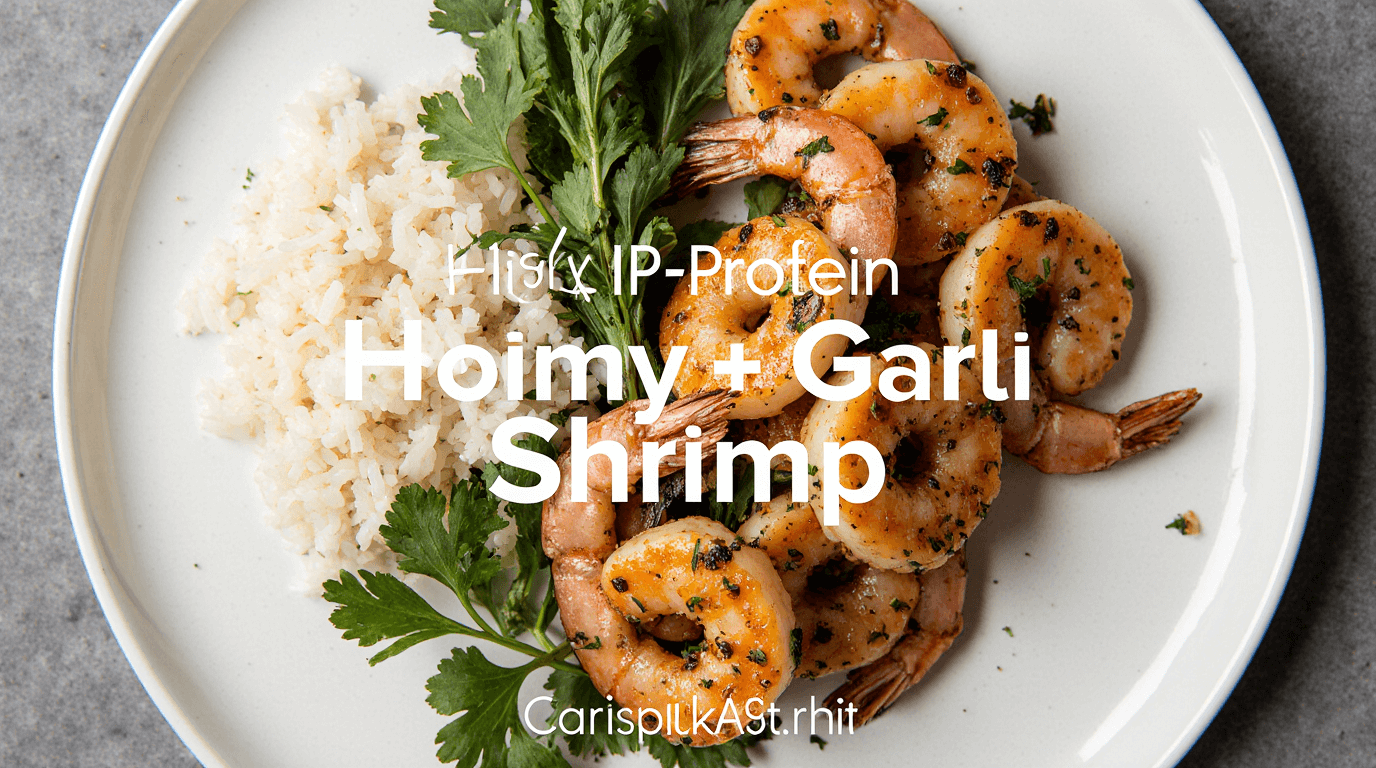
High-Protein Honey Garlic Shrimp: A Quick and Delicious Seafood Dinner
There are few meals in my cooking repertoire that deliver such spectacular results with so little effort as High-Protein Honey Garlic Shrimp. I discovered this recipe during a particularly hectic week when I needed something quick, healthy, and impressive enough to serve to unexpected dinner guests. With just a handful of ingredients and about 15 minutes from start to finish, I created a dish that had everyone asking for the recipe. Since then, it’s become my go-to weeknight dinner and the meal I make when I want to treat myself to something special without spending hours in the kitchen.
What makes this honey garlic shrimp recipe truly exceptional is the perfect harmony of sweet and savory flavors. The natural sweetness of honey complements the delicate flavor of shrimp beautifully, while garlic adds depth and complexity. A touch of soy sauce brings umami richness, and a hint of ginger provides warmth and brightness. The result is a dish that tastes like you’ve been working in the kitchen for hours, when in reality, it comes together faster than ordering takeout.
Beyond the incredible taste, this high-protein shrimp dish offers impressive nutritional benefits. Shrimp is one of nature’s best sources of lean protein, providing approximately 24 grams per half cup with minimal fat and carbohydrates. This makes it ideal for anyone focused on building muscle, maintaining a healthy weight, or simply enjoying a nutritious meal that doesn’t feel like “diet food.”
Why Shrimp Is a Protein Powerhouse
Before we dive into the recipe, let’s talk about why shrimp deserves a starring role in your regular dinner rotation. As someone who’s always looking for ways to increase protein intake without relying solely on chicken and beef, I’ve come to appreciate shrimp as one of the most versatile and nutritious proteins available.
A standard serving of shrimp (about 3 ounces or roughly 85 grams) contains approximately 20-24 grams of high-quality protein. This is comparable to the protein content of chicken breast or lean beef, but with significantly fewer calories—a medium shrimp provides only about 7 calories, meaning a full serving comes in at under 100 calories before cooking.
But the benefits extend far beyond just protein content. Shrimp is rich in several important nutrients that many people don’t get enough of in their regular diets. It’s an excellent source of selenium, a powerful antioxidant that supports immune function and thyroid health. It also provides substantial amounts of vitamin B12, which is crucial for energy production and nervous system function, as well as phosphorus for bone health and iodine for thyroid regulation.
Interestingly, shrimp is one of the few animal proteins that contains antioxidants—specifically astaxanthin, which gives certain shrimp their pink color and has been studied for its anti-inflammatory properties. This is relatively unusual, as most animal proteins don’t provide antioxidant benefits.
Understanding the Honey Garlic Marinade
The magic of this dish lies in its beautifully balanced marinade and sauce. Let me break down each component and explain why it works so well.
Honey: This is the sweet foundation of our sauce. I prefer using raw, unprocessed honey when possible because it provides the most complex flavor—notes of floral sweetness with subtle depth that processed honey just can’t match. The honey also helps the sauce caramelize slightly during cooking, creating a gorgeous glaze that clings to the shrimp. For those watching sugar intake, you can reduce the honey slightly, though it will impact the signature flavor.
Soy Sauce: This brings the savory, umami element that balances the sweetness of the honey. I typically use low-sodium soy sauce to keep the salt content in check and maintain better control over the final seasoning. If you’re gluten-free, tamari or coconut aminos work perfectly as substitutes, with coconut aminos providing a slightly sweeter, less salty flavor profile.
Garlic: Fresh minced garlic is absolutely essential here. While garlic powder can work in a pinch, fresh garlic provides a pungent, aromatic quality that really makes the dish shine. I use about 4-5 cloves, but you can adjust based on your love for garlic. The garlic mellows slightly during cooking, becoming sweet and fragrant rather than sharp.
Ginger: Fresh grated ginger adds warmth and brightness to the sauce. It complements the honey beautifully and adds a subtle zing that keeps the dish from feeling too heavy or sweet. If you don’t have fresh ginger, ground ginger works in a pinch, though you’ll need much less—about 1/4 teaspoon of ground for every tablespoon of fresh.
Olive Oil: This serves as the cooking medium and helps create a sauce with the right consistency. It also adds healthy monounsaturated fats. You can substitute with avocado oil or another neutral cooking oil if preferred.
Red Pepper Flakes: Just a pinch adds complexity and a subtle warmth without making the dish spicy. This is optional but highly recommended for adults, as it enhances the other flavors rather than overwhelming them.
Salt and Pepper: Basic but essential for bringing out all the other flavors. I season the shrimp directly before cooking for the best results.
Selecting and Preparing Your Shrimp
The quality of your shrimp will significantly impact the final dish, so it’s worth taking a moment to ensure you’re starting with the best product possible.
Fresh vs. Frozen: Here’s a secret that might surprise you—frozen shrimp is often your best bet, even better than “fresh” shrimp from the seafood counter in many cases. Why? Most shrimp is frozen shortly after being caught, preserving its quality at peak freshness. What’s labeled as “fresh” at the store was often previously frozen and thawed, meaning it’s actually older than the frozen product. If you do buy fresh shrimp, make sure it smells clean and ocean-fresh, not fishy or ammonia-like.
Size Matters: I prefer using large to jumbo shrimp (31/40 count or larger) for this recipe. The numbers indicate how many shrimp you get per pound—so 31/40 means you’ll get 31-40 shrimp per pound. Larger shrimp are easier to work with, have better texture, and make a more impressive presentation. However, the recipe works with any size; just adjust your cooking time accordingly—smaller shrimp cook faster.
Deveined and Peeled: While you can certainly devein shrimp yourself, I almost always buy them already peeled and deveined to save time on busy weeknights. If you do it yourself, use a sharp paring knife to make a shallow cut along the back of the shrimp and remove the dark vein with the tip of your knife or a toothpick. Rinse under cold water and pat completely dry.
To Tail or Not to Tail: I like leaving the tails on for visual appeal—it makes the dish look more elegant and gives you something to grab when eating. However, if you prefer, you can remove them for easier eating, especially if you’re serving the shrimp over rice or in a sauce where you want to eat every bite with a fork.
Thawing Frozen Shrimp: If using frozen shrimp, the best method is to thaw them overnight in the refrigerator. However, if you need them quickly, place the frozen shrimp in a colander and run cold water over them for about 10-15 minutes, stirring occasionally, until completely thawed. Pat them very dry with paper towels before cooking.
Step-by-Step Cooking Instructions
Let me walk you through the process of creating perfect honey garlic shrimp every single time.
Step 1: Create the Honey Garlic Marinade
In a medium bowl, whisk together honey, soy sauce, minced garlic, grated ginger, and red pepper flakes. Whisk vigorously until the honey is completely dissolved into the other ingredients and the mixture is smooth. The sauce should flow easily but still have some body to it.
Divide this sauce in half. Use one portion as a marinade for the shrimp and reserve the other portion for adding to the pan later. This two-part approach ensures food safety (you’re not adding raw shrimp marinade to your cooked dish) and gives you control over the final sauce consistency.
Step 2: Marinate the Shrimp
Place your cleaned, dried shrimp in a bowl or zip-top bag. Pour half of the honey garlic sauce over the shrimp and toss to coat evenly. Let the shrimp marinate for 15-20 minutes at room temperature. This brief marination allows the flavors to penetrate the shrimp without “cooking” them (as would happen with acidic marinades left too long).
During this time, the salt in the soy sauce will begin to season the shrimp, and the other flavors will start to infuse into the seafood. Don’t marinate longer than 30 minutes, as the soy sauce can make the shrimp texture a bit mushy if left too long.
Step 3: Prepare Your Pan
Heat a large skillet over medium-high heat and add about 1-2 tablespoons of olive oil. The pan needs to be properly preheated before adding the shrimp—this ensures you get a nice sear rather than steaming. Test by adding a drop of water; it should sizzle immediately.
Step 4: Cook the Shrimp
Remove the shrimp from the marinade, letting excess drip off (discard this used marinade). Arrange the shrimp in a single layer in your hot pan. Don’t overcrowd them—cook in batches if necessary. Overcrowding causes the shrimp to steam rather than sear, resulting in a rubbery texture.
Cook the shrimp for about 1-2 minutes on the first side without moving them. They should develop a slight golden color and curl slightly. Flip them over and cook for another 1-2 minutes on the second side. You’ll know they’re done when they’re pink, opaque, and curled into a “C” shape. If they curl into an “O” shape, they’re overcooked.
Step 5: Add the Reserved Sauce
Immediately after flipping the shrimp for the second time, pour in the reserved (clean) portion of honey garlic sauce. The sauce will bubble and thicken slightly as it comes into contact with the hot pan. Toss the shrimp gently to coat them in the sauce.
Continue cooking for another 1-2 minutes, stirring occasionally, until the sauce has reduced slightly and formed a glossy glaze that coats the shrimp beautifully. The sauce should be thick enough to cling to the shrimp but still flow slightly—not thick like syrup, but not watery either.
Step 6: Garnish and Serve
Remove from heat and transfer to your serving dish. Garnish with sliced green onions and sesame seeds for added flavor, color, and texture. A sprinkle of fresh cilantro or parsley adds a bright, herbaceous note. Serve immediately while hot for the best texture and flavor.
Serving Suggestions and Pairing Ideas
High-protein honey garlic shrimp is incredibly versatile and pairs beautifully with numerous side dishes. Here are my favorite ways to serve this dish.
Over Rice: This is the classic approach and my personal favorite. Fluffy white rice, jasmine rice, or brown rice all work wonderfully. The rice soaks up the delicious honey garlic sauce, ensuring you don’t waste a single drop. I like to cook my rice in chicken broth instead of water for extra flavor.
With Vegetables: Serve the shrimp alongside or over sautéed or steamed vegetables. Roasted asparagus, sautéed snap peas, steamed broccoli, or stir-fried bok choy all complement the sweet and savory flavors beautifully. For a complete one-pan meal, you can even cook vegetables in the same pan before the shrimp.
Over Cauliflower Rice: For a low-carb option, cauliflower rice is perfect. The neutral flavor allows the honey garlic sauce to shine, and you save substantial calories and carbs compared to regular rice.
With Noodles: Serve over cooked rice noodles, lo mein noodles, or even zucchini noodles for a complete meal. Toss the noodles right in the honey garlic sauce for maximum flavor.
In a Salad: For a lighter option, serve the warm shrimp over a bed of mixed greens or spinach with sliced cucumbers, shredded carrots, and a simple vinaigrette. The warm shrimp slightly wilts the greens, creating a lovely texture contrast.
As an Appetizer: Thread the marinated shrimp onto skewers before cooking, then grill or pan-sear them. Serve as appetizers with the honey garlic sauce on the side for dipping. These are always a hit at parties.
For beverages, I find that a crisp white wine like Sauvignon Blanc or Pinot Grigio pairs beautifully with the sweet and savory flavors. If you prefer beer, a light lager or wheat beer complements nicely without overpowering the delicate shrimp flavor.
Making It Even Healthier
While this honey garlic shrimp recipe is already quite healthy, here are some modifications if you’re watching specific nutrients or have dietary restrictions.
Reduce Sugar: You can cut the honey by up to half without dramatically impacting the flavor. The sauce will be less sweet but still delicious. Adding a bit more garlic and ginger compensates for the reduced sweetness.
Lower Sodium: Use low-sodium soy sauce or reduce the amount called for in the recipe. You can also substitute coconut aminos, which are naturally lower in sodium than traditional soy sauce.
Add More Vegetables: Bulk up the meal by adding vegetables directly to the pan with the shrimp. Bell peppers, snap peas, broccoli florets, or sliced mushrooms all work well. This increases the fiber and nutrient content while keeping calories relatively low.
Use Greek Yogurt: For an interesting variation, some people substitute part of the sauce base with Greek yogurt, creating a creamy coating that’s higher in protein and lower in sugar. This creates a different flavor profile but is equally delicious.
Meal Prep Version: Make a large batch and portion it out with your choice of carb (rice or quinoa) and vegetables for easy meal prep containers. This makes a protein-rich lunch that reheats beautifully.
Common Mistakes to Avoid
Through my many iterations of making honey garlic shrimp, I’ve learned what not to do. Here are the most common mistakes and how to avoid them.
Mistake #1: Overcooking the Shrimp This is the number one error people make with shrimp. Overcooked shrimp become rubbery and tough, losing their delicate, tender texture. Remember: shrimp cook incredibly fast, usually in just 2-4 minutes total. They’re done when they turn pink and opaque and curl into a “C” shape. Remove them from heat immediately—they’ll continue cooking slightly from residual heat.
Mistake #2: Not Drying the Shrimp Wet shrimp won’t sear properly and will steam instead, resulting in a rubbery texture. After thawing or rinsing your shrimp, pat them completely dry with paper towels before marinating or cooking.
Mistake #3: Overcrowding the Pan When shrimp are too close together in the pan, they release moisture that doesn’t evaporate quickly enough, causing them to steam rather than sear. Leave space between each piece, cooking in batches if necessary.
Mistake #4: Using Pre-Cooked Shrimp This recipe requires raw shrimp. Pre-cooked shrimp will become rubbery and overcooked when heated with the sauce. Always start with raw shrimp for this recipe.
Mistake #5: Skipping the Marinade While you could cook the shrimp and just toss them with sauce, marinating them for even 15-20 minutes makes a noticeable difference in flavor penetration. Don’t skip this step if you have time.
Mistake #6: Burning the Garlic Garlic burns easily and becomes bitter when overcooked. If adding minced garlic directly to the pan, add it after the shrimp have started cooking, not at the beginning when the pan is hottest. In this recipe, the garlic is protected in the sauce, preventing burning.
Storage and Reheating Guidelines
While honey garlic shrimp is absolutely best served fresh and hot, leftovers can be stored and reheated successfully if you follow a few guidelines.
Storing: Let the shrimp cool completely before storing. Transfer to an airtight container and refrigerate for up to 3 days. I don’t recommend storing longer than this, as seafood is more perishable than other proteins.
Reheating: The challenge with reheating shrimp is avoiding overcooking, which makes them rubbery. Here are the best methods:
- Stovetop (Best Method): Heat a skillet over medium-low heat. Add the shrimp and sauce and heat gently, stirring frequently, for just 2-3 minutes until warmed through. This method gives you the most control and best texture.
- Microwave: Place shrimp in a microwave-safe dish, cover, and heat on 50% power in 30-second intervals, stirring between each, until just warmed through. The lower power prevents overcooking.
- Cold: Interestingly, these shrimp are also quite good cold or at room temperature, served over a salad or as part of a cold noodle dish.
Freezing: I don’t recommend freezing cooked shrimp in sauce, as the texture suffers significantly upon thawing and reheating. However, you can freeze the raw shrimp in the marinade for up to 2 months. Thaw overnight in the refrigerator, then cook as directed.
My Final Tips for Success
After making this high-protein honey garlic shrimp countless times, here are my top tips for achieving perfection every time.
Tip #1: Don’t marinate longer than 30 minutes. The soy sauce in the marinade can start to “cook” the shrimp and affect their texture if left too long. Sweet spot is 15-20 minutes.
Tip #2: Have all your ingredients prepped before you start cooking. Shrimp cook so quickly that you don’t have time to mince garlic or measure ingredients once you begin. Mise en place (everything in its place) is crucial for this recipe.
Tip #3: Taste your sauce before adding it to the cooked shrimp and adjust as needed. Different brands of soy sauce vary in saltiness, and honeys vary in sweetness. Make adjustments to suit your palate.
Tip #4: For extra flavor depth, add a squeeze of fresh lemon or lime juice right before serving. The bright acidity cuts through the richness and enhances all the other flavors.
Tip #5: If serving over rice or noodles, slightly undercook them. They’ll absorb sauce and continue cooking slightly, and you don’t want them to become mushy.
This high-protein honey garlic shrimp has become one of my most-requested recipes, and it’s easy to see why. The combination of sweet honey, savory garlic, and perfectly cooked tender shrimp creates a dish that feels special enough for company but is easy enough for a weeknight. With nearly 25 grams of protein per serving and a cooking time under 15 minutes, it’s proof that healthy eating doesn’t have to be complicated or time-consuming.
Ingredients
For the Honey Garlic Shrimp:
- 1.5 pounds large shrimp (31/40 count), peeled and deveined
- 1/3 cup honey (preferably raw)
- 1/4 cup soy sauce (low-sodium recommended)
- 2 tablespoons olive oil
- 4-5 cloves garlic, minced
- 1 tablespoon fresh ginger, grated
- 1/4 teaspoon red pepper flakes (optional)
- Salt and black pepper to taste
- 2 tablespoons sliced green onions for garnish
- 1 tablespoon sesame seeds for garnish
- Fresh cilantro or parsley for garnish
- Lemon or lime wedges for serving
Instructions
- Prepare the Honey Garlic Sauce: In a medium bowl, whisk together honey, soy sauce, minced garlic, grated ginger, and red pepper flakes until the honey is fully dissolved and the mixture is smooth. Divide the sauce in half—one portion for marinating, one for cooking.
- Marinate the Shrimp: Pat shrimp completely dry with paper towels. Place shrimp in a bowl and pour half of the honey garlic sauce over them. Toss to coat evenly. Let marinate at room temperature for 15-20 minutes (no longer than 30 minutes).
- Heat the Pan: Heat a large skillet over medium-high heat. Add 1-2 tablespoons of olive oil and let it heat until shimmering.
- Cook the Shrimp: Remove shrimp from marinade (discard used marinade) and arrange in a single layer in the hot pan. Cook for 1-2 minutes without moving until the underside is lightly golden and the shrimp begin to curl.
- Flip and Add Sauce: Flip the shrimp and immediately pour in the reserved (clean) honey garlic sauce. Continue cooking for 1-2 more minutes, tossing the shrimp to coat them in the sauce, until shrimp are pink, opaque, and curled into a “C” shape.
- Finish and Serve: Remove from heat when the sauce has thickened slightly and forms a glaze. Transfer to a serving dish and garnish with sliced green onions, sesame seeds, and fresh herbs. Serve immediately with lemon or lime wedges.
Nutritional Information (Per Serving – Recipe serves 4)
- Calories: 245
- Total Fat: 5g
- Saturated Fat: 1g
- Cholesterol: 286mg
- Sodium: 940mg
- Total Carbohydrates: 25g
- Dietary Fiber: 1g
- Sugars: 24g
- Protein: 25g
- Vitamin A: 67 IU
- Vitamin C: 6mg
- Calcium: 102mg
- Iron: 1mg
FAQs
Q: Can I use frozen shrimp for this recipe? A: Yes! In fact, frozen shrimp is often fresher than “fresh” shrimp from the seafood counter. Just thaw completely in the refrigerator overnight or under cold running water for 15 minutes, then pat very dry before using.
Q: How do I know when the shrimp are done? A: Shrimp are done when they turn pink and opaque throughout and curl into a “C” shape. If they curl into a tight “O” shape, they’re overcooked. This typically takes just 2-4 minutes total.
Q: Can I make this recipe gluten-free? A: Absolutely! Simply substitute tamari or coconut aminos for the soy sauce. Everything else in the recipe is naturally gluten-free.
Q: What if I don’t have fresh ginger? A: You can substitute 1/4 to 1/2 teaspoon of ground ginger for the fresh ginger. Start with less, as ground ginger is more concentrated. You can also omit it entirely, though it does add nice warmth and brightness.
Q: Can I grill these shrimp instead of pan-frying? A: Yes! Thread the marinated shrimp onto skewers and grill over medium-high heat for 2-3 minutes per side. Brush with the reserved sauce during the last minute of cooking.
Q: Is this recipe suitable for meal prep? A: While best served fresh, you can meal prep by cooking the shrimp and storing with rice and vegetables in separate containers. Reheat gently to avoid overcooking the shrimp.
Q: Can I reduce the sugar content? A: Yes! You can cut the honey by up to half. The sauce will be less sweet but still delicious. Consider adding a bit more garlic and ginger to compensate for flavor.
Q: What sides pair best with honey garlic shrimp? A: Rice (white, brown, or cauliflower), steamed or roasted vegetables, noodles, or a fresh salad all pair beautifully. Choose based on your dietary preferences and what you’re craving.
Conclusion
High-Protein Honey Garlic Shrimp has earned its place as one of my go-to recipes for busy weeknights, special occasions, and everything in between. With its perfect balance of sweet honey, savory garlic, and tender, perfectly cooked shrimp, this dish delivers restaurant-quality flavor in just 15 minutes.
What I love most about this recipe is how it proves that healthy eating doesn’t have to be complicated or boring. With approximately 25 grams of high-quality protein per serving, minimal fat, and a relatively low calorie count, this shrimp dish supports your health goals while satisfying your taste buds completely.
The versatility of this recipe is another major advantage. Serve it over rice for a complete meal, toss it with noodles, add it to a salad, or enjoy it as an elegant appetizer. No matter how you serve it, the combination of sweet, savory, and slightly spicy flavors never fails to impress.
Whether you’re a seafood enthusiast or someone looking to incorporate more fish into your diet, this honey garlic shrimp recipe is sure to become a staple in your kitchen. Quick, delicious, nutritious, and impressive—what more could you ask for in a weeknight dinner?