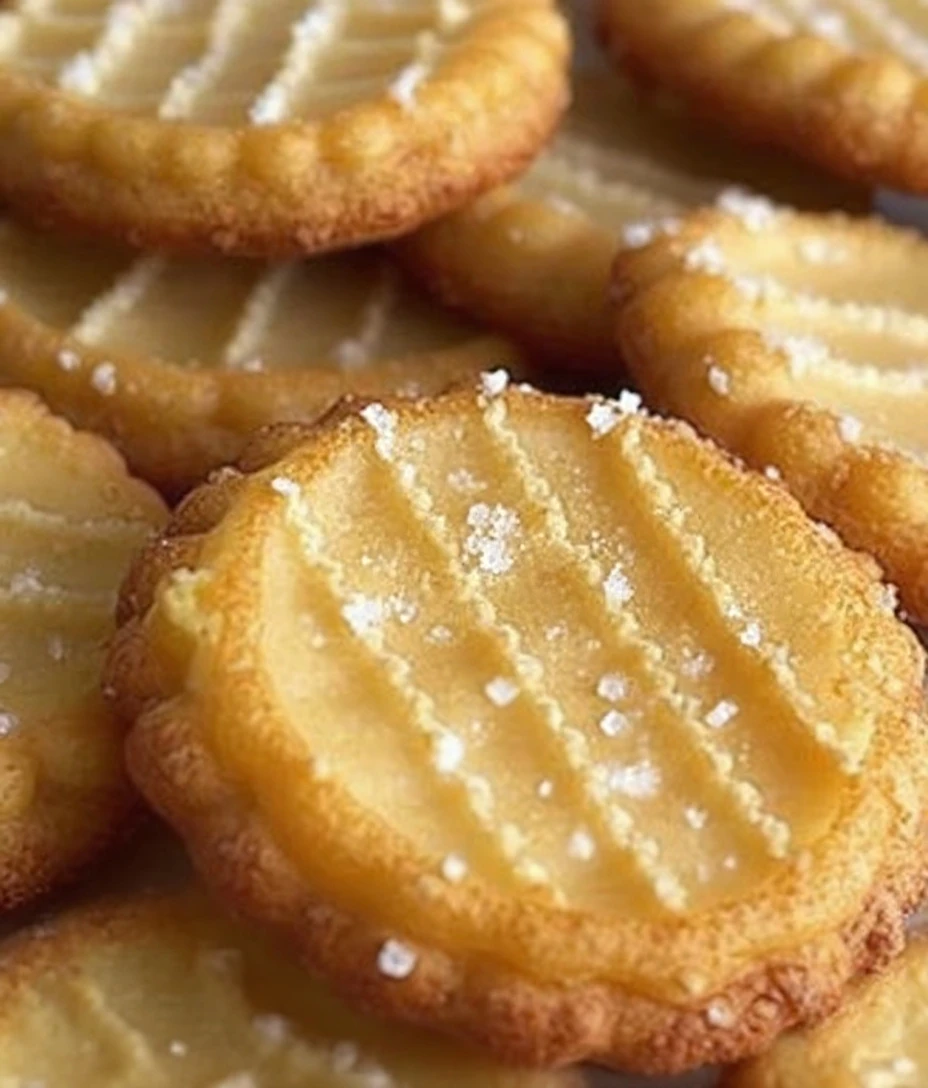
There’s something magical about biting into a perfectly crisp French salted butter cookie. The first time I tasted these delicate treasures was during a rainy afternoon in a small pâtisserie tucked away in the Marais district of Paris. The baker, a cheerful woman named Madame Dubois, handed me a warm cookie dusted with sparkling sea salt crystals, and I was instantly transported. The buttery richness, the delicate crunch, and that unexpected pop of salt created a symphony of flavors I’ll never forget. Now, whenever I bake these cookies in my own kitchen, I’m reminded of that magical Parisian moment, and I’m thrilled to share this authentic French salted butter cookie recipe with you today.
What Makes French Salted Butter Cookies So Special?
French salted butter cookies, known in France as “sablés bretons” or simply “butter biscuits,” represent the pinnacle of simplicity in baking. These butter cookies aren’t just any ordinary sweet treat – they’re a testament to the French philosophy that quality ingredients need little embellishment. The secret lies in using premium European-style butter with a higher fat content, which creates that melt-in-your-mouth texture that makes these salted butter cookies absolutely irresistible.
The characteristic crosshatch pattern you see on these French butter cookies isn’t just decorative. It serves a practical purpose, allowing the cookies to bake evenly while creating those beautiful crispy edges that contrast so wonderfully with the tender centers. Each cookie is a small work of art, glistening with coarse sea salt crystals that catch the light and promise an explosion of flavor.
The History Behind These Iconic Butter Cookies
The tradition of French salted butter cookies dates back to Brittany, a coastal region in northwestern France famous for its salted butter. Breton bakers discovered that adding their local sel de Guérande – a prized sea salt – to butter cookie dough created an unprecedented depth of flavor. This simple innovation transformed humble butter cookies into the sophisticated treats we know today.
Essential Ingredients for Authentic French Salted Butter Cookies
Creating perfect salted butter cookies requires careful attention to ingredient selection. Here’s what you’ll need to make approximately 24 cookies:
Cookie Dough:
- 2 cups (250g) all-purpose flour
- 1 cup (226g) high-quality salted butter, at room temperature
- ¾ cup (150g) granulated sugar
- 2 large egg yolks
- 1 teaspoon pure vanilla extract
- ¼ teaspoon fine sea salt
- 1 tablespoon heavy cream (optional, for extra richness)
Topping:
- 1 large egg yolk mixed with 1 tablespoon milk (egg wash)
- 2-3 tablespoons coarse sea salt (such as fleur de sel or Maldon salt)
- 1 tablespoon granulated sugar for sprinkling (optional)
Equipment Needed:
- Stand mixer or hand mixer
- Rolling pin
- Fork for creating the signature pattern
- Parchment paper or silicone baking mats
- Cookie cutters (2.5-3 inch round cutters work best)
- Pastry brush
Step-by-Step Instructions for Perfect French Butter Cookies
Preparing Your Salted Butter Cookie Dough
Step 1: Cream the Butter and Sugar
Begin by ensuring your salted butter is at the perfect room temperature – it should be soft enough to leave an impression when pressed but not greasy or melted. In a large mixing bowl or the bowl of your stand mixer, combine the butter and sugar. Beat them together on medium speed for about 3-4 minutes until the mixture becomes light, fluffy, and pale in color. This crucial step incorporates air into your butter cookies, giving them that tender, delicate texture.
Step 2: Incorporate the Egg Yolks and Vanilla
Add the egg yolks one at a time to your butter mixture, beating well after each addition. Pour in the vanilla extract and continue mixing until everything is smoothly combined. The mixture should look creamy and homogeneous. If you’re using heavy cream for extra richness, add it now and mix until incorporated.
Step 3: Add the Flour
Sift your all-purpose flour together with the fine sea salt. With your mixer on low speed, gradually add the flour mixture to the butter and egg combination. Mix just until the flour is incorporated and no streaks remain. Be careful not to overmix, as this can lead to tough French salted butter cookies rather than the tender, crumbly texture we’re aiming for.
Step 4: Chill the Dough
This is a crucial step that many home bakers skip, but it makes all the difference in achieving authentic French butter cookies. Turn your dough out onto a piece of plastic wrap, shape it into a flat disk about 1 inch thick, and wrap it tightly. Refrigerate for at least 1 hour, or up to 24 hours. This chilling period allows the butter to firm up, making the dough easier to roll and cut, while also allowing the flour to fully hydrate for a better texture.
Shaping and Baking Your Salted Butter Cookies
Step 5: Roll and Cut the Dough
Preheat your oven to 350°F (175°C) and line two baking sheets with parchment paper. Remove your chilled dough from the refrigerator and let it sit at room temperature for about 5 minutes – this makes it easier to roll without cracking. On a lightly floured surface, roll the dough to about ¼ inch thickness. Using a round cookie cutter (2.5 to 3 inches is ideal), cut out your butter cookies and place them on the prepared baking sheets, spacing them about 2 inches apart.
Step 6: Create the Signature Pattern
This is where your French salted butter cookies get their distinctive appearance. Using the tines of a fork, gently press a crosshatch pattern into the top of each cookie. Press down firmly enough to create clear lines, but not so hard that you compress the dough too much. The pattern should resemble a checkerboard or lattice design. Re-roll any scraps and cut additional cookies until you’ve used all the dough.
Step 7: Apply the Egg Wash and Salt
Whisk together the egg yolk and milk to create a glossy egg wash. Using a pastry brush, gently brush the top of each cookie with the egg wash – this will give your French butter cookies that beautiful golden sheen when baked. Now comes the finishing touch that elevates these from simple butter cookies to extraordinary salted butter cookies: sprinkle each cookie generously with coarse sea salt. Don’t be shy here – the salt is what makes these cookies truly special. If desired, you can also add a light sprinkle of granulated sugar for extra sparkle and sweetness.
Step 8: Bake to Golden Perfection
Slide your baking sheets into the preheated oven and bake for 12-15 minutes, until the edges of your French salted butter cookies are just beginning to turn golden brown. The centers should look set but still pale. Remember that these butter cookies will continue to firm up as they cool, so you don’t want to overbake them. They should be crisp at the edges but still have a slight tenderness in the center.
Step 9: Cool Completely
Remove the baking sheets from the oven and let the cookies cool on the pan for 5 minutes. This allows them to set properly. Then, carefully transfer your salted butter cookies to a wire rack to cool completely. As they cool, you’ll notice them becoming crisper and the butter flavor intensifying. The salt crystals will glisten enticingly on top, just like in the image of these beautiful golden cookies dusted with sparkling sea salt.
The Science Behind Perfect French Butter Cookies
Understanding why certain techniques work helps you become a better baker. The high butter content in these French salted butter cookies creates what’s called a “short” texture – meaning the cookies are tender and crumbly rather than chewy. When butter melts during baking, it creates pockets and layers in the dough, resulting in that characteristic sandy, melt-in-your-mouth quality that distinguishes authentic butter cookies from other varieties.
The salt plays multiple roles beyond just flavor. It enhances the sweetness of the sugar through a phenomenon called taste contrast, making the cookies taste more complex and less one-dimensional. The salt also strengthens the gluten network slightly, helping the cookies maintain their shape without spreading too much during baking.
Nutritional Information for French Salted Butter Cookies
Per cookie (based on 24 cookies):
- Calories: 135
- Total Fat: 8g
- Saturated Fat: 5g
- Cholesterol: 45mg
- Sodium: 180mg
- Total Carbohydrates: 14g
- Dietary Fiber: 0.3g
- Sugars: 6g
- Protein: 2g
While these French butter cookies are undeniably indulgent, they’re meant to be savored slowly with a good cup of coffee or tea. The richness of the salted butter means a little goes a long way in satisfying your sweet cravings.
Serving Suggestions and Presentation Tips for Your Butter Cookies
The beauty of French salted butter cookies lies in their elegant simplicity. Here are some ways to showcase these delightful treats:
Classic French Presentation: Arrange your salted butter cookies on a simple white porcelain plate, allowing their golden color and salt crystals to shine. Stack them slightly overlapping in a circular pattern, or stand them upright in a decorative tin lined with parchment paper, just as you’d find them in a Parisian bakery.
Afternoon Tea Service: Serve these French butter cookies alongside other petit fours and pastries for an elegant afternoon tea. They pair beautifully with madeleines, macarons, and delicate fruit tarts. The salty-sweet flavor profile makes them an excellent palate cleanser between richer desserts.
Gift-Giving Ideas: Package your homemade salted butter cookies in clear cellophane bags tied with ribbon, or arrange them in decorative tins. They make thoughtful hostess gifts or holiday presents. Because they keep well, you can bake them several days in advance for gift-giving occasions.
Perfect Pairings with French Salted Butter Cookies
Beverage Pairings
Coffee: The rich, buttery flavor of these French butter cookies makes them the perfect companion to a strong espresso or a creamy café au lait. The salt enhances the coffee’s complex notes while the butter provides a luxurious mouthfeel.
Tea: Earl Grey tea is a classic pairing, as its bergamot notes complement the butter beautifully. Green tea also works wonderfully, with its grassy freshness cutting through the richness of the salted butter cookies.
Wine: For a sophisticated after-dinner treat, try these butter cookies with a glass of Sauternes or late-harvest Riesling. The wine’s sweetness harmonizes with the cookies while the acidity balances the butter’s richness.
Champagne: Perhaps the most French pairing of all – a glass of champagne or sparkling wine alongside these salted butter cookies creates a celebration-worthy moment.
Food Pairings
Serve your French salted butter cookies alongside fresh berries and whipped cream for an easy but impressive dessert. They’re also delicious crumbled over ice cream or used as a base for a quick parfait with yogurt and fruit.
Creative Variations and Substitutions for Butter Cookies
While traditional French salted butter cookies are perfect as they are, here are some ways to customize the recipe:
Flavor Variations
Lemon Salted Butter Cookies: Add the zest of two lemons to the dough along with 1 teaspoon of lemon extract. The citrus brightens the rich butter flavor beautifully.
Chocolate Chip Version: Fold in ½ cup of mini chocolate chips after adding the flour for a playful twist on these classic French butter cookies.
Almond Butter Cookies: Replace ¼ cup of the flour with finely ground almonds and add ½ teaspoon of almond extract for a nutty variation.
Lavender-Infused: Steep 1 tablespoon of culinary lavender in the cream (warmed) for 10 minutes, strain, and add to the dough for a Provençal twist on these salted butter cookies.
Brown Butter Version: Brown half the butter before making the dough (let it cool first) for a deeper, nuttier flavor in your French butter cookies.
Dietary Substitutions
Gluten-Free Option: Replace the all-purpose flour with a 1:1 gluten-free baking flour blend. The texture will be slightly different but still delicious.
Reduced Sugar: You can reduce the sugar by up to ¼ cup if you prefer less sweet butter cookies, though they’ll be less tender.
Vegan Adaptation: While not traditional, you can substitute high-quality vegan butter in a 1:1 ratio and use aquafaba (chickpea water) in place of egg yolks. The flavor and texture won’t be quite the same as authentic French salted butter cookies, but they’ll still be tasty.
Storage and Make-Ahead Tips for Your French Butter Cookies
Short-Term Storage
Store your completely cooled French salted butter cookies in an airtight container at room temperature for up to one week. Place parchment paper between layers to prevent them from sticking together. The salt helps preserve them, so they actually keep better than unsalted butter cookies.
Long-Term Storage
These salted butter cookies freeze beautifully! Freeze baked and cooled cookies in a freezer-safe container or bag for up to three months. Thaw at room temperature for about 30 minutes before serving. You can also freeze the unbaked dough, either as a disk or already cut into shapes, for up to two months.
Make-Ahead Strategy
The dough for these French butter cookies can be prepared up to three days in advance. This makes them perfect for entertaining – do all the mixing when you have time, then simply slice, bake, and serve fresh cookies whenever guests arrive.
Troubleshooting Common Issues with Salted Butter Cookies
Cookies Spreading Too Much: This usually means the butter was too warm when mixing, or the dough wasn’t chilled long enough. Make sure to refrigerate the dough for at least one hour, and if your kitchen is very warm, chill the cut cookies on the baking sheet for 15 minutes before baking.
Cookies Too Hard: Overbaking is the usual culprit. Remember that these French salted butter cookies continue to firm as they cool, so remove them when the edges are just golden but the centers still look slightly soft.
Cookies Too Crumbly: This might mean you overmixed the dough after adding the flour, or the ratio of flour to butter was off. Be sure to measure accurately, preferably by weight.
Dough Too Sticky to Roll: If your dough is difficult to work with, it might not have been chilled long enough, or your kitchen might be too warm. Try chilling the dough for longer, or roll it between two sheets of parchment paper.
Why These French Salted Butter Cookies Will Become Your Go-To Recipe
There’s a reason these cookies have remained popular in French bakeries for generations. They’re incredibly versatile – elegant enough for a dinner party yet simple enough for an everyday treat. The recipe is forgiving for beginners but offers enough nuance to satisfy experienced bakers who appreciate the art of perfecting a classic.
Unlike fussy recipes that require special equipment or hard-to-find ingredients, these French butter cookies rely on pantry staples elevated by one special touch: quality salted butter and good sea salt. That simplicity is their genius. They prove that you don’t need complicated techniques or exotic flavors to create something truly memorable.
The contrast between the sweet, buttery cookie and the savory salt crystals creates a sophisticated flavor profile that appeals to all palates. Children love them for their buttery richness, while adults appreciate the complex interplay of sweet and salty. They’re equally at home at a casual coffee break or a formal tea service.
My Personal Tips for the Best French Salted Butter Cookies
After making countless batches of these salted butter cookies over the years, I’ve learned a few tricks that consistently produce perfect results. First, invest in the best butter you can afford – it truly makes a difference. Look for European-style butter with at least 82% butterfat, preferably from France, Ireland, or a high-quality domestic brand.
Second, don’t skimp on the salt topping. I’ve found that using large, flaky salt crystals like fleur de sel or Maldon creates the best texture and visual appeal. The crystals shouldn’t completely dissolve during baking – you want that delightful crunch and burst of salt when you bite into the cookie.
Finally, resist the urge to keep these cookies to yourself! These French salted butter cookies are made for sharing. There’s something special about watching someone’s face light up when they taste the perfect balance of butter, sweetness, and salt. That’s the magic of French baking – taking simple ingredients and transforming them into something that brings joy.
Every time I pull a tray of these golden, salt-sparkled cookies from the oven, I’m transported back to that rainy Parisian afternoon. The beauty of this recipe is that now you don’t need to travel to France to experience that same moment of culinary bliss. With just a few quality ingredients and a little patience, you can bring the taste of a French pâtisserie into your own kitchen, creating memories and traditions that will last for years to come.
Bon appétit!