There’s something magical about the aroma of butter and vanilla wafting through your kitchen on a quiet Sunday morning. The first time I made this French Butter Cake with Sour Cream, I was searching for something that felt both elegant and comforting—a cake that didn’t need layers of frosting or elaborate decoration to impress. What I discovered was a recipe that has since become my go-to for coffee breaks, brunches, and those moments when you just need a slice of something tender and beautiful with your afternoon tea.
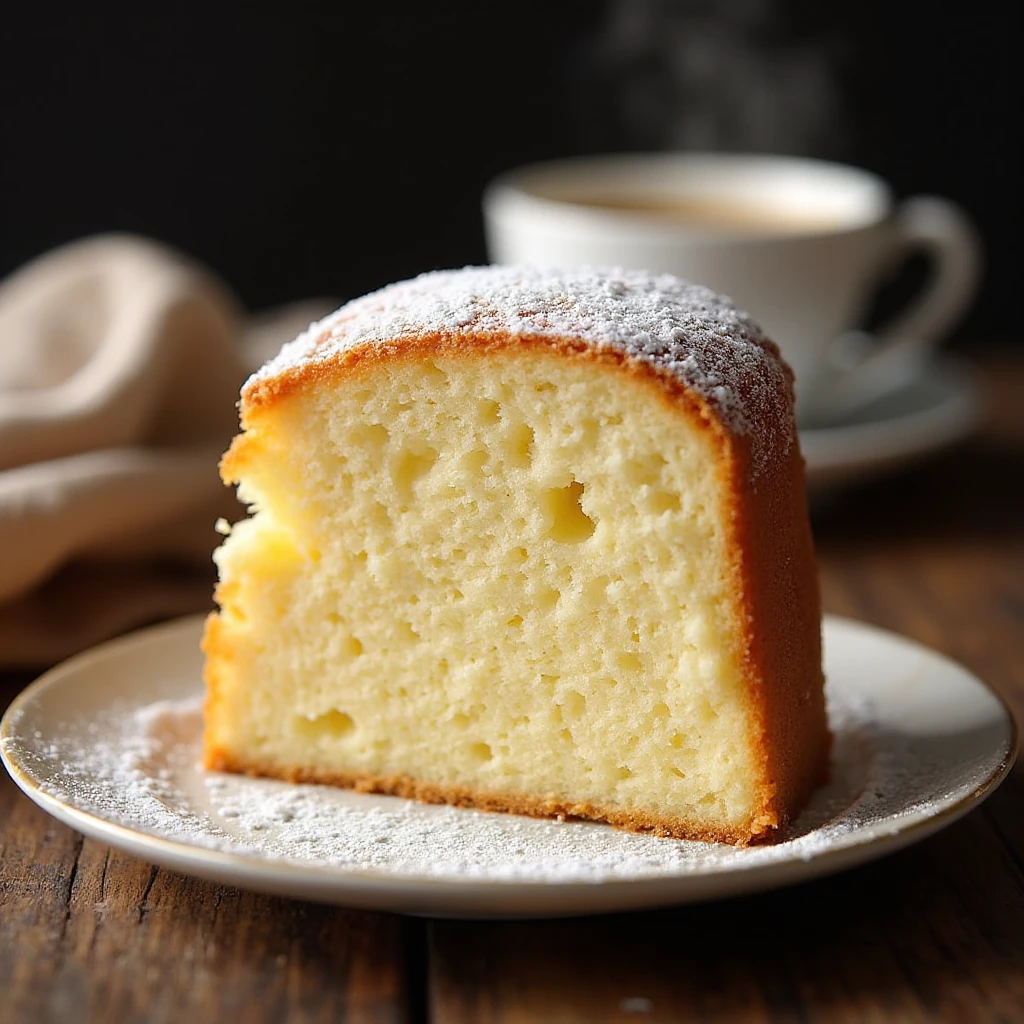
This French butter cake is deceptively simple. With its golden, slightly crisp exterior and impossibly moist crumb, it’s the kind of cake that makes you close your eyes with the first bite. The sour cream adds a subtle tanginess that balances the richness of the butter, while a light dusting of sugar on top creates a delicate, sweet crust that crackles gently under your fork.
What Makes French Butter Cake So Special?
French butter cake, sometimes called gâteau au beurre, is a classic French dessert that celebrates the pure, unadulterated flavor of quality butter. Unlike American-style cakes that are often heavily frosted or filled, this French butter cake lets the ingredients speak for themselves. The key to its distinctive texture lies in the generous amount of melted butter and the addition of sour cream, which keeps every slice incredibly moist and tender.
The beauty of this French butter cake recipe is its versatility. It’s equally at home on a dessert table at an elegant brunch or wrapped in parchment paper as a thoughtful homemade gift. The cake has a close, velvety crumb that’s somewhere between a pound cake and a traditional butter cake—dense enough to be satisfying, yet light enough to enjoy a second slice without guilt.
The Signature French Butter Cake Appearance
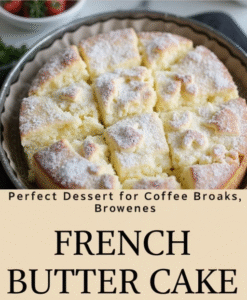
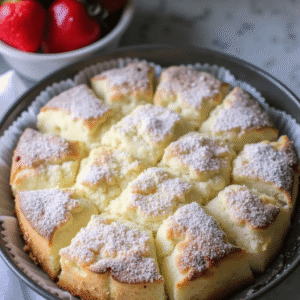
When you pull this cake from the oven, you’ll notice its beautifully dimpled surface, dusted with sparkling sugar. This simple finishing touch transforms the cake into something that looks like it came from a French patisserie, yet it requires nothing more than a sprinkle of granulated sugar before baking.
Gathering Your Ingredients for French Butter Cake
Before you begin mixing, let’s talk about the ingredients that make this French butter cake extraordinary. Each component plays a crucial role in creating that signature texture and flavor.
The Butter Foundation
One cup of unsalted butter (that’s two full sticks) forms the heart of this recipe. Make sure to melt it completely and then let it cool to room temperature before adding it to your batter. This cooling step is essential—if the butter is too hot, it can cook the eggs when mixed, creating an undesirable texture. Quality butter makes a noticeable difference here, so choose the best you can find.
The Sugar Element
One cup of granulated sugar provides just the right amount of sweetness without overwhelming the delicate butter flavor. You’ll also need an additional two tablespoons of granulated sugar for sprinkling on top before baking, which creates that lovely crystallized crust.
The Eggs and Dairy
Three room-temperature eggs help create the cake’s structure and contribute to its rich, golden color. Room temperature eggs incorporate more easily into the batter, creating a smoother, more uniform texture. The two-thirds cup of sour cream is what sets this French butter cake apart from others—it adds moisture, a subtle tang, and helps create that incredibly tender crumb.
The Dry Ingredients
Two cups of all-purpose flour provide the structure, while two teaspoons of baking powder give the cake its gentle lift. One teaspoon of salt might seem like a lot, but it’s crucial for balancing the sweetness and enhancing all the other flavors. Don’t skip it!
The Flavor
Two and a half teaspoons of vanilla extract add warmth and depth to every bite. Use pure vanilla extract rather than imitation for the best results in this French butter cake recipe.
Step-by-Step Instructions for Perfect French Butter Cake
Now that you understand the ingredients, let’s walk through the process of creating this stunning French butter cake with sour cream. I’ll share the techniques I’ve learned through multiple bakings to ensure your cake turns out perfectly every time.
Preparing Your Pan
Preheat your oven to 350°F (175°C). Generously butter a 9-inch or 10-inch tart pan with a removable bottom, or a similar-sized springform pan. The fluted edges of a tart pan create a particularly beautiful presentation, but any similar-sized pan will work. The key is thorough greasing—you want this cake to release easily after baking.
Creating the Batter
In a large mixing bowl, whisk together the melted and cooled butter with the cup of granulated sugar. The mixture should become slightly lighter in color and well combined. Add the three room-temperature eggs one at a time, whisking well after each addition. This gradual incorporation helps create a smooth, emulsified batter. Stir in the vanilla extract.
In a separate bowl, whisk together the flour, baking powder, and salt. This step ensures the leavening agent is evenly distributed throughout the flour.
Combining Wet and Dry Ingredients
Now comes the crucial part: alternating additions. Add about one-third of the flour mixture to the butter mixture and gently fold it in until just combined. Add half of the sour cream and fold again. Continue alternating, ending with the flour mixture. The key word here is “gentle”—overmixing develops gluten in the flour, which can make your French butter cake tough instead of tender. Mix just until no flour streaks remain.
Baking to Golden Perfection
Pour the batter into your prepared pan, using a spatula to spread it evenly to the edges. The batter will be quite thick—this is normal. Sprinkle the top evenly with the two tablespoons of sugar.
Place the pan in your preheated oven and bake for 35-45 minutes. The exact time will depend on your pan size and oven. The cake is done when the top is golden brown, the edges have pulled slightly away from the pan, and a toothpick inserted into the center comes out clean or with just a few moist crumbs attached.
The Cooling Process
Here’s where patience becomes a virtue. Allow the French butter cake to cool in the pan for about 15 minutes. This cooling period lets the cake set properly, making it easier to remove from the pan without breaking. After 15 minutes, carefully remove the outer ring if using a tart or springform pan. Let the cake cool completely on a wire rack before slicing.
Nutritional Information
Per slice (assuming 12 servings):
- Calories: 340
- Total Fat: 19g
- Saturated Fat: 12g
- Cholesterol: 95mg
- Sodium: 280mg
- Total Carbohydrates: 38g
- Dietary Fiber: 1g
- Sugars: 20g
- Protein: 4g
Presentation Tips for French Butter Cake
This French butter cake is naturally beautiful, but a few simple touches can make it even more impressive:
The Classic Approach
Serve slices on white plates with a light dusting of powdered sugar through a fine-mesh sieve. The contrast between the golden cake and white sugar is elegant and timeless.
The Berry Companion
Arrange fresh berries—strawberries, raspberries, or blueberries—alongside each slice. The tartness of the fruit complements the rich butter flavor beautifully.
The Cream Touch
A small dollop of lightly sweetened whipped cream or crème fraîche adds luxurious richness. For an extra special presentation, flavor the cream with a hint of vanilla or a splash of Grand Marnier.
The Coffee Pairing
This French butter cake with sour cream is perfect for coffee breaks. Serve it on a rustic wooden board with demitasse cups of strong espresso for an authentic French café experience.
Perfect Pairings with French Butter Cake
Beverage Pairings
This cake shines brightest alongside coffee or tea. A medium-roast coffee with nutty notes complements the butter flavor, while Earl Grey tea provides a citrusy counterpoint. For wine lovers, a slightly sweet dessert wine like Sauternes or a late-harvest Riesling pairs beautifully with the cake’s richness.
Accompaniments
Fresh fruit compote, particularly made with apples, pears, or stone fruits, adds moisture and a complementary flavor. Lemon curd provides a bright, tangy contrast. For chocolate lovers, a light drizzle of dark chocolate ganache transforms this French butter cake into something even more decadent.
Creative Variations and Substitutions
Flavor Variations
Lemon French Butter Cake: Add the zest of two lemons to the batter and replace one teaspoon of vanilla with lemon extract for a bright, citrusy twist.
Almond Version: Replace half the vanilla extract with almond extract and fold in half a cup of finely chopped toasted almonds for nutty richness.
Orange Cardamom: Add the zest of one orange and half a teaspoon of ground cardamom for an aromatic variation that’s especially lovely in fall.
Brown Butter Variation: Brown the butter before cooling it for a nutty, caramelized flavor that adds incredible depth to this French butter cake.
Dietary Substitutions
If you need to make substitutions, here are some options that work well:
Replace sour cream with full-fat Greek yogurt for similar tanginess and moisture. For a dairy-free version, use plant-based butter and coconut cream in place of sour cream, though note that flavor and texture will differ. Reduce sugar by up to one-quarter cup if you prefer a less sweet cake.
Troubleshooting Your French Butter Cake
Common Issues and Solutions
Cake is Dense: This usually happens when the butter was too warm when mixed or the batter was overmixed. Make sure butter is cooled to room temperature and fold gently when combining ingredients.
Cake Sticks to Pan: Ensure thorough greasing before baking. Some bakers like to line the bottom with parchment paper as extra insurance.
Top Browns Too Quickly: If your oven runs hot or the top is browning before the center cooks through, tent the cake with aluminum foil for the last 15 minutes of baking.
Cake is Dry: Overbaking is the most common culprit. Check the cake at the 35-minute mark and remember it will continue cooking slightly as it cools.
Storing Your French Butter Cake
This cake keeps beautifully, which makes it perfect for advance preparation. Store it covered at room temperature for up to three days. The texture actually improves after a day as the flavors meld and the crumb becomes even more tender.
Long-Term Storage
For longer storage, wrap individual slices tightly in plastic wrap and then in aluminum foil before freezing for up to three months. Thaw slices at room temperature for about an hour before serving. You can refresh thawed slices by warming them briefly in a low oven.
My Personal Tips for French Butter Cake Success
After making this French butter cake dozens of times, I’ve learned a few tricks that consistently produce the best results. First, always bring your eggs and sour cream to room temperature—cold dairy can cause the melted butter to solidify into lumps. Second, don’t skip the cooling period for the melted butter; this step is crucial for the right texture. Third, resist the urge to peek in the oven during the first 30 minutes of baking, as temperature fluctuations can affect the rise.
My Favorite Way to Enjoy
My favorite way to enjoy this cake is slightly warm from the oven, with the sugar crust still crisp and the interior impossibly soft. There’s something about that combination of textures that feels like a warm hug. Whether you’re making this French butter cake with sour cream for a special brunch, as a simple weeknight dessert, or just because you deserve something beautiful and delicious, I think you’ll find it becomes one of your most treasured recipes too.